A Field Guide to the Paver Heating Rod: specs, trends, and real-world lessons
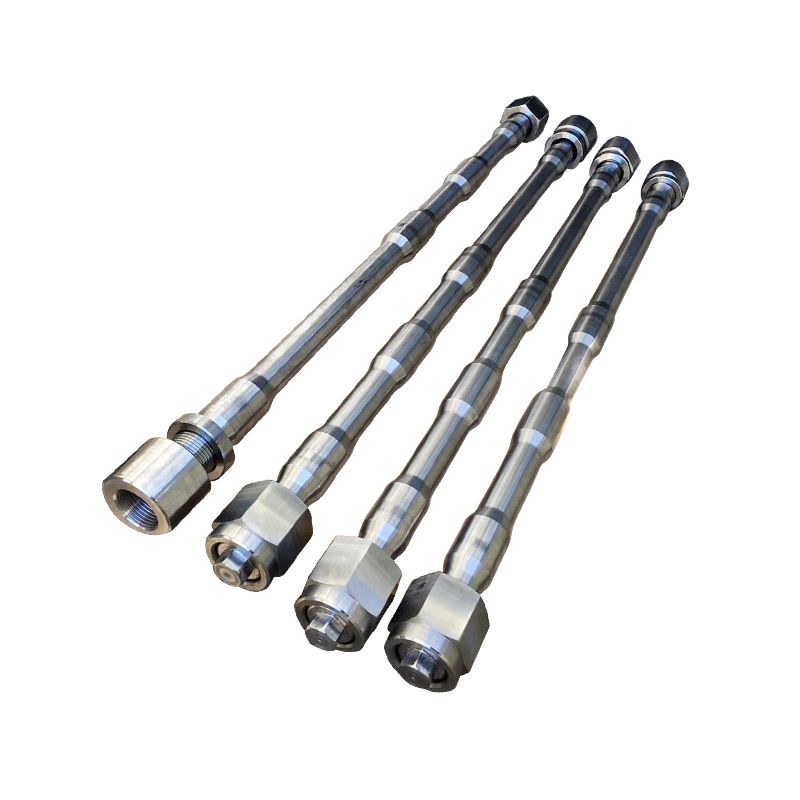
If you’ve ever watched an asphalt crew chase a cold edge on a windy morning, you know screed heat isn’t a nice-to-have—it’s the difference between buttery mat texture and a callback. The humble Paver Heating Rod is doing the heavy lifting beneath the plates, and, yes, it’s often bossed around by a smart control panel. This unit I’m seeing from China-origin makers (the same factories that build robust paver control panels) has quietly improved a lot in the past five years—better alloys, tighter watt-density control, smarter temperature sensing.
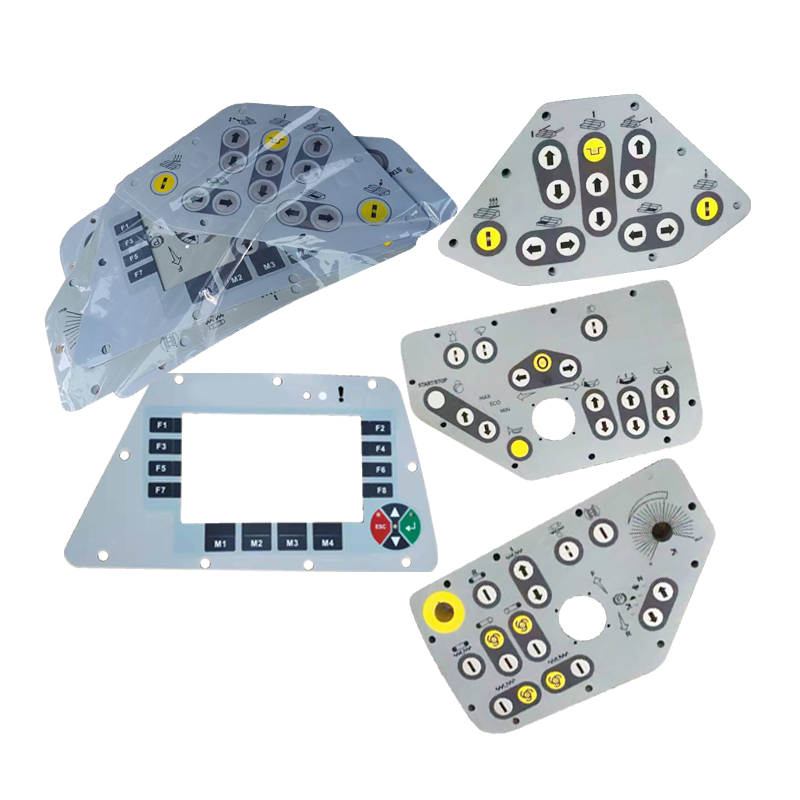
What’s trending (and why crews care)
- Higher efficiency: watt density tuned to ≈4–8 W/cm² for even heat with less hotspot risk.
- Faster warmup: closed-loop control via modern paver control panels, cutting heat-up time by ~15–25% in field reports.
- Durability: Incoloy sheaths and vibration-proof terminations extend service life to 8–12 years in moderate duty.
- Data-aware: thermocouple feedback (Type K/J) feeding alarms on over-temp or open-circuit—less guesswork, more uptime.
Product specifications (typical build)
| Sheath Material | Incoloy 800/840 or SS304 (selection by temperature & corrosion) |
| Heating Element | NiCr resistance wire, high-temp MgO insulation |
| Diameter / Length | Ø10–16 mm; lengths 400–1,600 mm (custom around ±5 mm) |
| Voltage / Power | 110–480 VAC; ≈1.2–2.5 kW per rod (real-world use may vary) |
| Watt Density | ≈4–8 W/cm² (screed plates), tuned per alloy and duty cycle |
| Sensors | Type K or J thermocouple, optional RTD for fine control |
| Ingress Protection | IP54–IP65 depending on connector system |
| Certifications | ISO 9001 plant; components designed toward UL 499, IEC 60519, IEC 60529 |
Manufacturing and validation (quick process flow)
Materials: Incoloy/SS sheath, NiCr coil, high-purity MgO fill, ceramic seals, crimped or welded terminals. Methods: coil winding → core loading → MgO compaction → swaging → anneal → terminal welding → sensor integration → leak test. Testing: insulation resistance ≥50 MΩ @500 VDC; dielectric strength 1.5 kVAC/1 min; power tolerance ±10%; cycle test 1,000 heat-ups; vibration per ISO 5349 guidance; thermal uniformity ±10 °C across contact zone. Expected service life: 8–12 years in normal fleet use; 5–7 years in heavy/night paving cycles.
Applications and field notes
- Asphalt paver screed plates and end-gates (primary).
- Auger box warmers to prevent cold bridging near tunnels.
- Retrofits on legacy pavers where OEM parts are long lead.
Many customers say warm-up time dropped from “coffee break long” to “tool check long”—not scientific, but you get it. Tied to a good control panel, the Paver Heating Rod holds temp even when the wind picks up.
Customization menu
Origin is China, and factories here are surprisingly flexible: odd lengths, special elbows, armored leads, quick-disconnect plugs, or matched pairs for wide screeds. Lead time: 10–25 days depending on jig changeover.
Vendor snapshot (real-world buyer notes)
| Vendor | Strengths | Watch-outs |
|---|---|---|
| Crafts MFG (China) | Good value, responsive on custom lengths, control-panel integration | Confirm plug standard; request heat-map test before shipment |
| EU Brand A | Premium alloys, deep certification stack | Higher price; longer lead in peak season |
| Local Retrofit Shop | Fast turnaround, on-site fit checks | Specs vary; ask for dielectric/IR test data |
Case study (condensed)
Midwest contractor, 8-ft screed, night paving: swapped aging rods for Incoloy 840 units plus a refreshed control panel. Warm-up to 140 °C cut by ≈18%; edge cold joints fell 30% over three weeks. Feedback: “Fewer hot spots, crews stop fiddling with temp dials.”
Compliance and safety
Ask for IEC 60519 design conformance, UL 499 component compliance where applicable, and IP rating per IEC 60529. Electrically, ensure EN 60204-1 practices on routing and grounding. Always verify insulation resistance before season start.
Bottom line
A well-built Paver Heating Rod paired with a competent control panel pays back fast in uptime and mat quality. Overspec the alloy if you run long nights; underspec the watt density and you’ll chase corners all season.
References
[1] IEC 60519-1: Safety in electroheating equipment
[2] UL 499: Electric Heating Appliances
[3] IEC 60529: Degrees of protection (IP Code)
[4] EN 60204-1: Safety of machinery – Electrical equipment of machines
Post time: Nov-07-2025