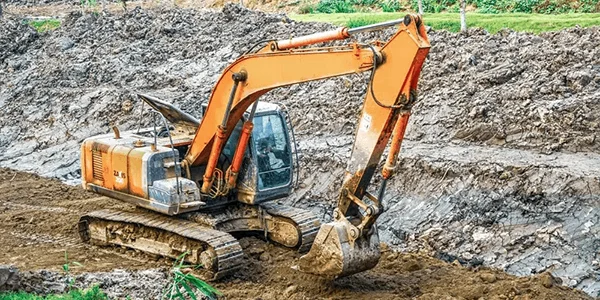
Rotating Grab for Excavator: A Vital Tool in Modern Construction and Beyond
If you’ve ever watched a construction site or seen heavy machinery in action, there’s a good chance you caught sight of a rotating grab for excavator. But what exactly is it, and why is it becoming indispensable globally? At its core, this attachment transforms excavators into multi-purpose material handlers—boosting efficiency and safety, especially where precise grabbing, lifting, and placing of heavy, awkward loads is critical. As industries worldwide push for more flexible, eco-conscious, and cost-efficient digging and moving solutions, understanding this tool has become more than just a niche interest; it’s a gateway to smarter, faster projects.
The Growing Importance of Rotating Grabs in Today’s Industries
We live in a world where infrastructure demands grow sharply—UN forecasts indicate global construction activity is expected to surge nearly 50% by 2030. In tandem, heavy equipment manufacturers face pressure to deliver machines that do more with less environmental impact. Rotating grab attachments have answered this call by expanding the versatility of excavators, traditionally limited to digging. According to ISO standards on heavy machinery efficiency, enhancing multi-functionality reduces idle times and fuel consumption, two sore spots in construction’s sustainability efforts.
Yet, the challenge remains: how do you handle scrap metal, demolition debris, or delicate materials quickly and safely? Without the right gripping technology, it’s slow, costly, and prone to accidents. Enter the rotating grab for excavator—an elegant solution to a stubborn problem.
Mini Takeaway:
- Global construction growth demands versatile equipment.
- Rotating grabs increase excavator functionality and efficiency.
- Standardization helps improve environmental and safety outcomes.
What Is a Rotating Grab for Excavator?
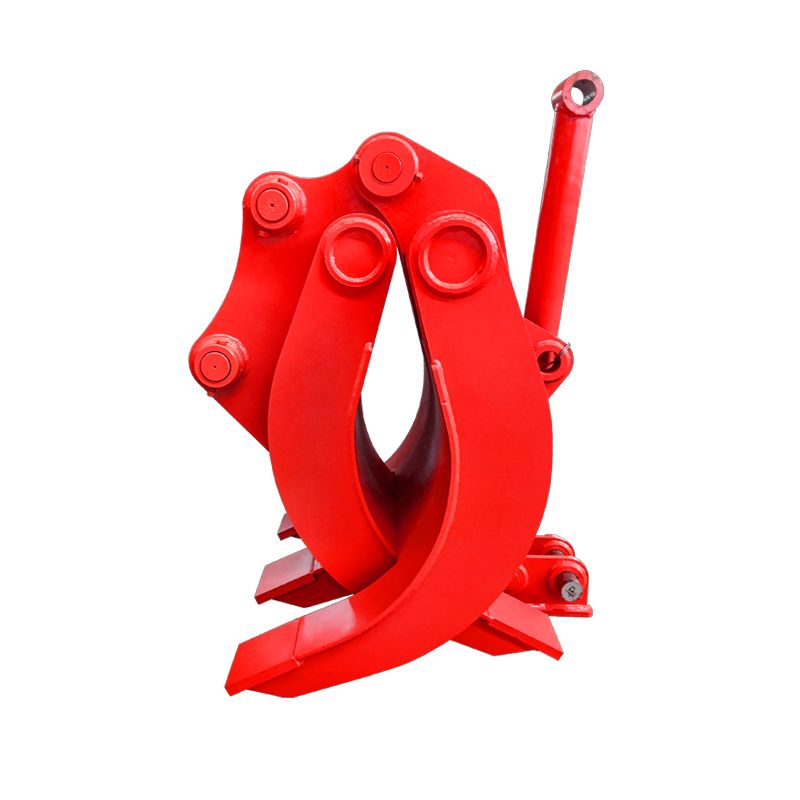
Simply put, a rotating grab is a hydraulic attachment mounted on an excavator’s arm, designed to grasp, lift, and rotate heavy loads freely, offering precise control. Imagine an industrial claw with the ability to swivel around its axis—this gives operators the freedom to position materials without awkward maneuvering of the entire machine.
Its modern incarnations support uses from recycling and demolition to port operations and forestry. Though the concept’s basic mechanics are decades old, today's grabs incorporate advanced materials and smart hydraulics that allow smoother, safer, and more efficient operation, meeting the needs of complex supply chains and humanitarian logistics alike.
Mini Takeaway:
- Hydraulic claw attachment offering 360° rotation.
- Increases precision in material handling.
- Supports a variety of industries with heavy lifting needs.
Key Features and Core Components of Rotating Grabs
1. Durability & Materials
Built tough to withstand harsh sites, grabs use high-strength steel and abrasion-resistant coatings. Engineers often choose manganese steel or similar alloys for buckets and claws, balancing weight and wear resistance.
2. Rotation Mechanism
The heart of the rotating grab is its slew ring bearing and hydraulic motor. Reliable rotation under heavy load demands precise engineering—oddly enough, a small failure here can mean big downtime.
3. Gripping Force & Control
Hydraulic cylinders provide the gripping pressure. Modern grabs offer variable pressure control for handling fragile or irregular loads—think glass panels versus scrap metal.
4. Scalability & Compatibility
Attachments come in different sizes to fit excavators ranging from 5 tons to upwards of 50 tons. Many manufacturers now design modular systems to quickly swap grabs depending on task.
5. Cost Efficiency & Maintenance
With easier maintenance spots and replaceable wear parts, total cost of ownership drops. Many users report fewer equipment swaps and less labor per project phase with rotating grabs.
Mini Takeaway:
- Material choice is critical for longevity.
- Precision rotation mechanisms boost productivity.
- Variable grip suits a wide range of tasks.
- Modularity allows flexible deployment across projects.
Global Applications and Use Cases
From bustling scrapyards in Germany to the towering urban development projects in Dubai, rotating grabs see frequent use. In European ports, they streamline container handling, while in disaster zones such as those affected by earthquakes or floods, they assist NGOs in clearing rubble and moving supplies quickly.
In remote mining operations across Australia and South America, operators praise rotating grabs for their reliability in harsh environments and ability to handle oddly shaped ore chunks without risking damage to machinery or downtime.
There’s even growing interest by NGOs incorporating them for humanitarian aid logistics—quick turnarounds and safe material handling are vital where speed can mean lives saved.
Mini Takeaway:
- Used widely in ports, construction, recycling, and disaster relief.
- Adapted to both heavy industrial and sensitive humanitarian contexts.
- Reliable operation critical in remote and harsh environments.
Advantages and Long-Term Value of Rotating Grabs
Beyond mere convenience, rotating grabs reduce project timelines and improve safety by minimizing the need for manual labor in hazardous zones. Their ability to better manage fuel consumption and reduce machinery swaps also reflects a quieter push toward sustainability—one the World Bank has identified as a priority to reduce sector emissions.
Emotionally, operators feel more confident wielding a rotating grab attachment. Trust builds when you know the tool won’t slip or jam mid-lift. It’s a bit like upgrading from a screwdriver to a power drill—empowering, efficient, even satisfying.
Future Trends and Innovations
Looking ahead, smart sensors integrated into rotating grabs allow real-time monitoring of wear and performance, sending data to centralized management systems. This predictive maintenance reduces costly unforeseen failures.
Meanwhile, developments in lightweight composite materials aim to reduce overall attachment weight, improving fuel efficiency further. And with automation growing, remote-controlled grabs are already being tested, potentially transforming operations where human presence is risky or impossible.
Challenges and How They’re Being Addressed
Of course, no tool is perfect. Heavy rotating grabs tend to be costly upfront and require trained operators. Rough terrain and dusty conditions can damage sensitive parts if not properly maintained. Moreover, compatibility across excavator brands can sometimes be tricky.
Manufacturers are responding with more universal mount designs, improved seals to protect hydraulics, and enhanced operator training programs. Some even offer leasing and demo programs to ease initial investment hurdles.
Frequently Asked Questions About Rotating Grab for Excavator
- What types of materials can a rotating grab handle effectively?
- Rotating grabs manage a wide range of materials—from bulky scrap metal and demolition debris to logs and loose aggregates. Modern models allow pressure adjustments, enabling safe handling of fragile items like glass or packed goods.
- How do rotating grabs improve safety on site?
- By allowing precise rotation and grip control, they reduce the need for manual repositioning, thus limiting worker exposure to dangerous loads. Automated hydraulic controls also minimize sudden movements that might cause accidents.
- Are rotating grabs compatible with all makes of excavators?
- Most rotating grabs are designed with standard mounting systems, making them compatible with a majority of medium to large excavators. However, it’s important to verify model specifications—some customization or adaptors might be necessary.
- What maintenance routines are essential for longevity?
- Regular inspection of hydraulic hoses, seals, and rotation bearings is critical. Lubrication schedules and prompt replacement of wear parts prevent breakdowns and extend operational life.
- Is investing in a rotating grab cost-effective for small contractors?
- While the upfront cost might be a hurdle, the increased efficiency, reduced labor needs, and extended equipment functionality often translate into savings over project lifecycles, especially for contractors handling varied material tasks.
Product Specification Table
| Specification | Typical Value | Comments |
|---|---|---|
| Material | High-strength steel (manganese alloy) | Wear-resistant coating applied |
| Rotation | 360° continuous hydraulic rotation | Slewing ring bearing with sealed lubrication |
| Grip Force | Up to 50 kN | Adjustable pressure control |
| Weight Range | 500 kg to 3000+ kg | Varies with size and capacity |
| Compatibility | Excavators 5–50+ tons | Modular couplers available |
| Operating Pressure | 150–350 bar | Depends on excavator hydraulic specs |
Vendor Comparison Table
| Vendor | Price Range (USD) | Warranty | Notable Features | Customer Support |
|---|---|---|---|---|
| Crafts Manufacturing | $12,000 – $45,000 | 2 years | Modular design, quick mount system | 24/7 technical hotline |
| SteelGrip Attachments | $15,000 – $55,000 | 3 years | Advanced sensors and diagnostics | Online chat & training materials |
| HeavyTools Co. | $10,000 – $40,000 | 1.5 years | Economical option, easy maintenance | Email support only |
Wrapping Up: Why the Rotating Grab Is a Smart Investment
To sum it up, the rotating grab for excavator isn’t just a nifty accessory — it’s a serious productivity booster, widely adaptable, and increasingly integrating smart tech that promises to redefine how construction and material handling get done globally. Whether for large-scale infrastructure, sensitive humanitarian logistics, or niche industrial needs, its value is clear.
Interested in upgrading your fleet or learning more? Visit rotating grab for excavator on Crafts Manufacturing’s website for detailed specs, demo videos, and expert advice tailored to your projects.
Final Thoughts
It feels like the kind of tool that quietly changes the game—no fireworks, just a steady hand that gets things done better and safer. In an era where efficiency and sustainability must go hand-in-hand, smart upgrades like these grab your attention (and your materials) a lot tighter.
References
- ISO 22163:2017 - Railway applications – Quality management systems (context on machinery efficiency standards)
- United Nations Sustainable Development Goals (infrastructure and sustainability data)
- World Bank Urban Development Overview (construction growth statistics)
Post time: Nov-29-2025