VTS Undercarriage Parts: A Comprehensive Guide
When it comes to maintaining heavy machinery, especially in demanding environments, the undercarriage is a critical component. Crafts Manufacturing specializes in high-quality VTS undercarriage parts designed for durability and performance. This article will delve into the importance of VTS undercarriage parts, common components, factors to consider when choosing parts, and how Crafts Manufacturing can provide the right solutions for your equipment. Understanding your undercarriage and the role of each part is essential for maximizing machine uptime and minimizing costly repairs.
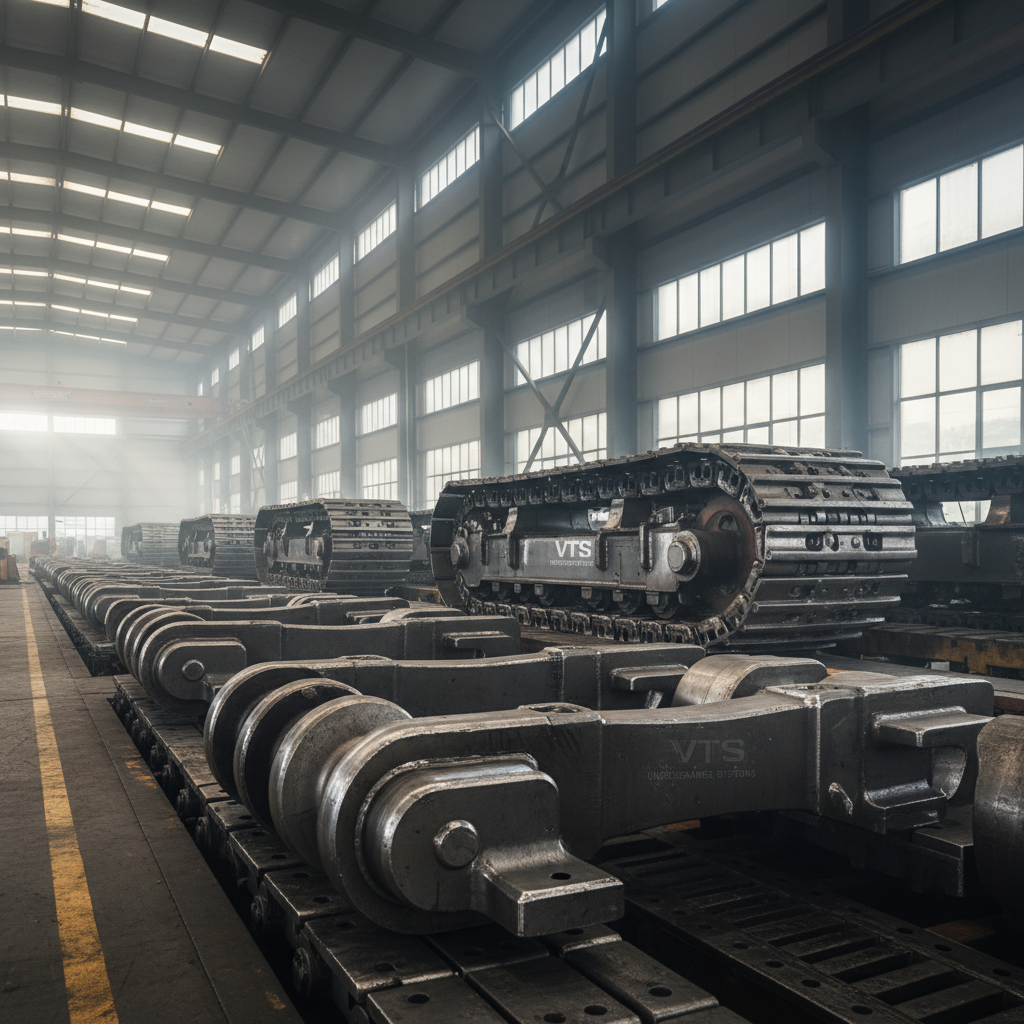
Understanding VTS Undercarriage Systems
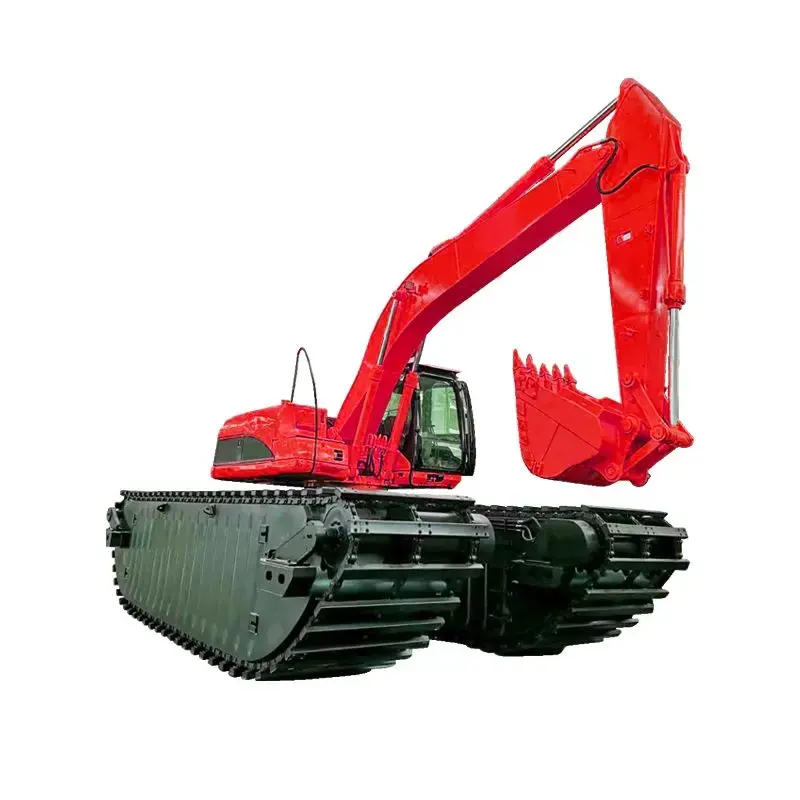
VTS, or Versatile Track System, refers to a type of undercarriage commonly found in excavators, bulldozers, and other heavy equipment. It’s designed to provide optimal traction, stability, and longevity, even in challenging terrain. The undercarriage is subjected to immense stress and wear, making the quality of its components paramount. Crafts Manufacturing’s VTS undercarriage parts are engineered to withstand these harsh conditions, delivering consistent performance and reducing downtime. Regular inspection and timely replacement of worn parts are vital to maintaining the efficiency and safety of your equipment.
Key Benefits of Quality VTS Parts: Increased machine uptime, reduced maintenance costs, improved operator safety, and enhanced overall performance.
Common VTS Undercarriage Components
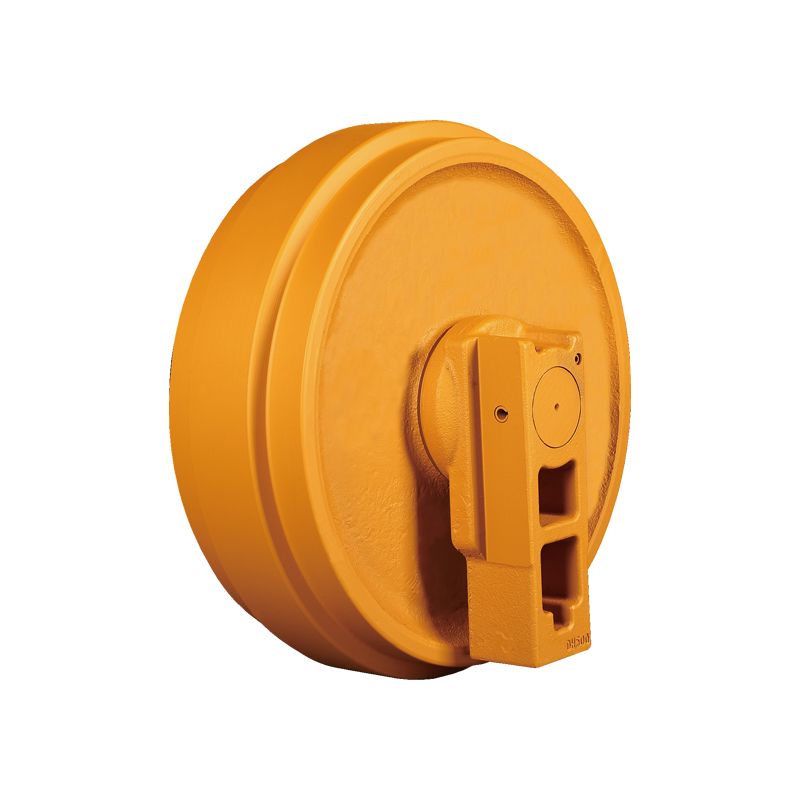
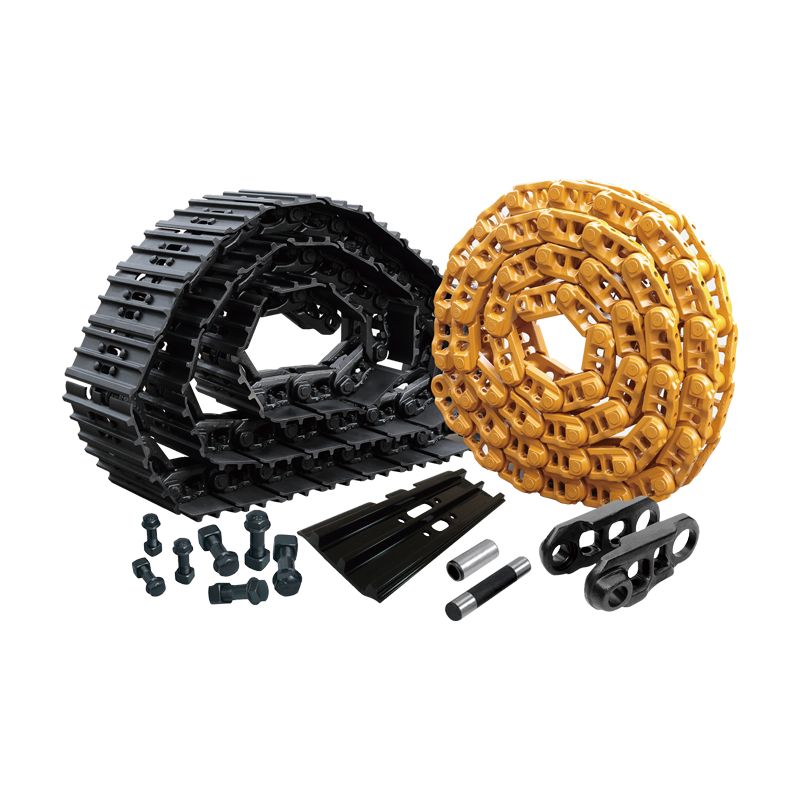
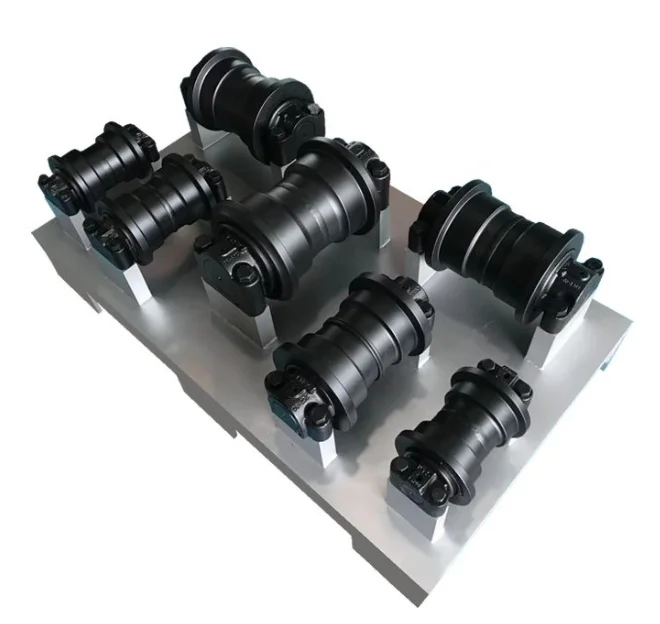
The VTS undercarriage comprises several key components, each playing a critical role in the system's functionality. These include rollers, idlers, sprockets, track links, track shoes, and seals. Rollers and idlers support the weight of the machine and guide the track, while the sprockets drive the track's movement. Track links and shoes provide traction and distribute the load. Seals prevent contamination and lubricant loss. When one component fails, it can initiate a chain reaction, leading to more extensive and costly repairs. Crafts Manufacturing offers a complete range of these components, ensuring a perfect fit and optimal performance for your VTS undercarriage.
Key Components:
• Rollers: Support machine weight & guide track
• Idlers: Maintain track tension & guide track
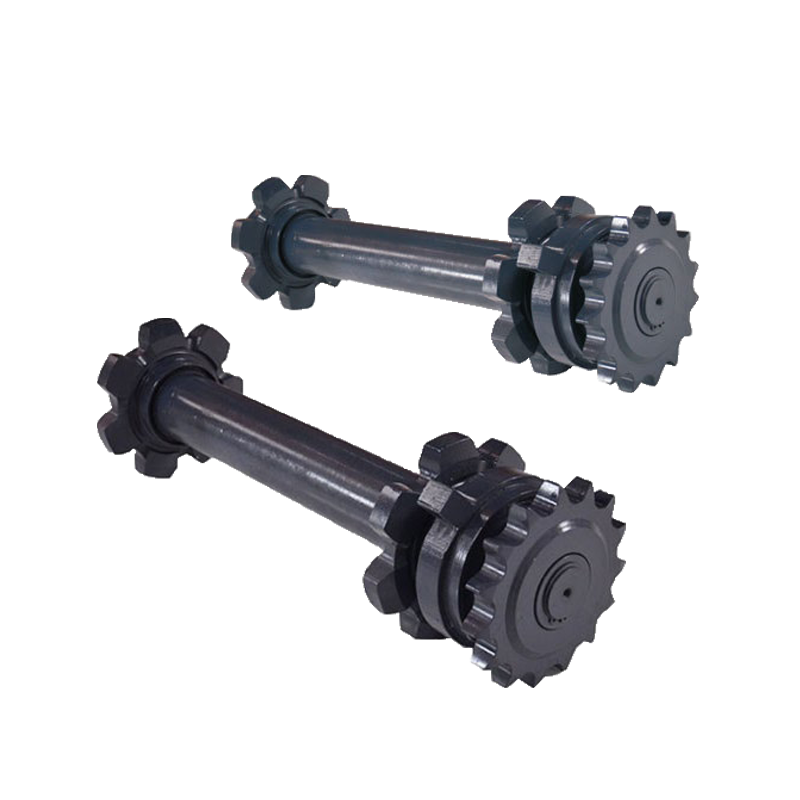
• Sprockets: Drive track movement
• Track Links & Shoes: Provide traction
Choosing the Right VTS Undercarriage Parts
Selecting the right VTS undercarriage parts is crucial for maximizing equipment lifespan and minimizing operational costs. Factors to consider include the make and model of your machine, the operating environment, and the expected workload. Using inferior parts can lead to premature wear, reduced performance, and even catastrophic failure. Crafts Manufacturing offers expert guidance to help you choose the optimal parts for your specific needs, ensuring compatibility and maximizing return on investment.
Crafts Manufacturing: Your Trusted VTS Parts Supplier
Crafts Manufacturing is a leading provider of high-quality VTS undercarriage parts. We are committed to delivering exceptional products, competitive pricing, and outstanding customer service. Our extensive inventory includes parts for a wide range of makes and models, and our experienced team is ready to assist you with your specific needs. We offer both standard and custom solutions to ensure a perfect fit for your equipment.
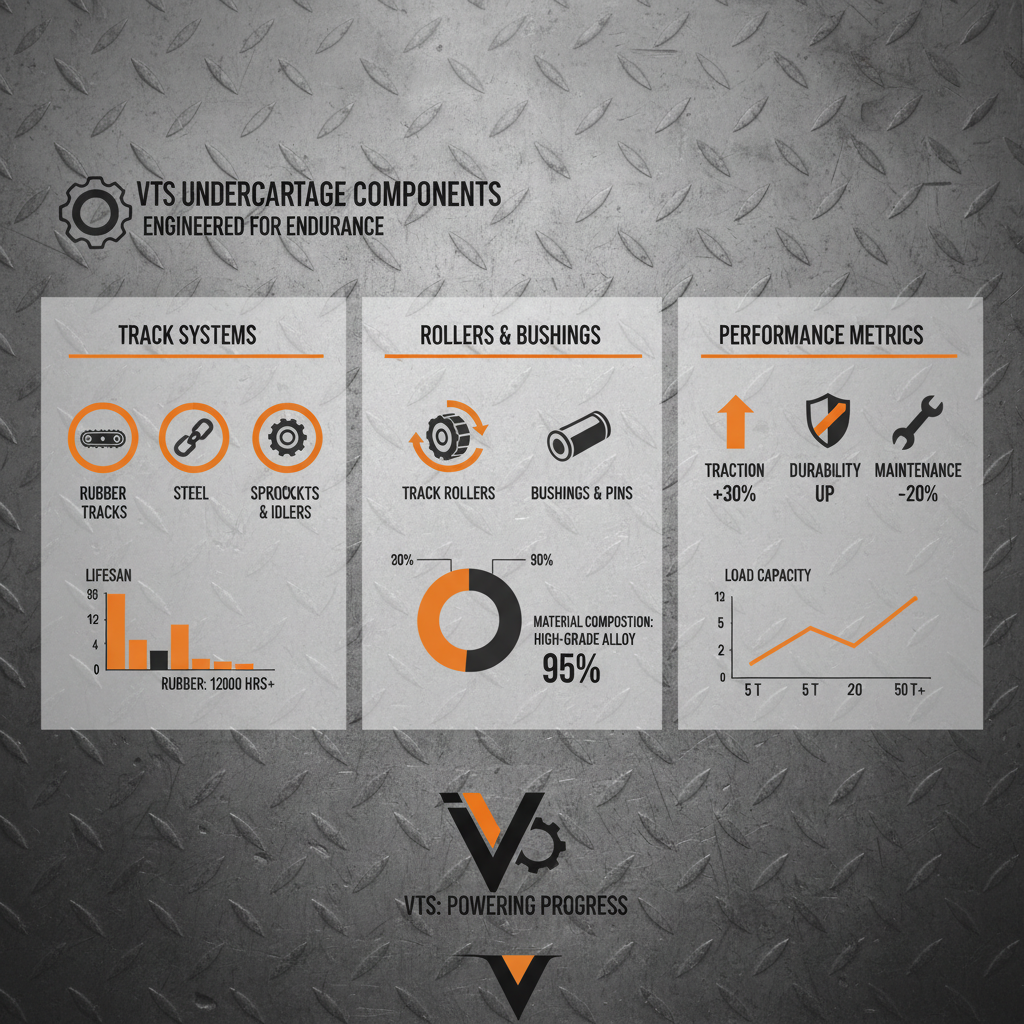
Why Choose Crafts Manufacturing for Your VTS Parts?
Choosing Crafts Manufacturing means gaining access to premium-quality parts, expert technical support, and a commitment to your success. We source our materials from reputable suppliers and employ rigorous quality control measures to ensure every part meets our exacting standards. We understand the importance of minimizing downtime and maximizing the performance of your equipment, and we strive to provide solutions that deliver both.
Conclusion: Invest in Reliability with Crafts Manufacturing
Don't compromise on the longevity and performance of your heavy machinery. Crafts Manufacturing's VTS undercarriage parts provide the durability, reliability, and value you need to keep your operations running smoothly. Contact us today to learn more about our products and services.
Frequently Asked Questions (FAQs)
How often should I inspect my VTS undercarriage?
Regular inspections are crucial for preventing costly repairs and maximizing uptime. A thorough inspection should be performed at least every 250-500 hours of operation, or more frequently in harsh conditions. Focus on checking for wear, damage, and proper tension on rollers, idlers, sprockets, track links, and seals. Look for signs of cracking, bending, or excessive play. Early detection of problems allows for timely intervention, preventing more significant damage. Crafts Manufacturing offers resources and expertise to help you develop an effective inspection schedule.
What are the signs that my VTS undercarriage needs repair?
Several signs indicate the need for undercarriage repair. These include excessive track slack, difficulty steering, unusual noises (squeaking, grinding, or clunking), uneven wear on track shoes, and visible damage to rollers or idlers. Reduced machine power and stability can also be indicators. Ignoring these signs can lead to more extensive and costly repairs down the line. Promptly addressing these issues will ensure the continued safe and efficient operation of your equipment.
Do you offer expedited shipping for VTS undercarriage parts?
Yes, Crafts Manufacturing understands the importance of minimizing downtime. We offer expedited shipping options to get your VTS undercarriage parts to you as quickly as possible. Shipping times vary depending on your location and the availability of the parts. Contact our customer service team to discuss your specific needs and receive a shipping quote.
What is the benefit of using forged VTS components?
Forged VTS components offer significantly greater strength and durability compared to cast components. The forging process aligns the grain structure of the metal, making it more resistant to impact and fatigue. This results in a longer lifespan and reduced risk of failure, even in demanding applications. While forged parts may have a higher initial cost, they provide superior value in the long run by reducing the frequency of replacements and minimizing downtime.
Post time: Mar-14-2026