Understanding Excavator Undercarriage Cost
The undercarriage is arguably the most significant cost component of excavator ownership and operation. Knowing the factors influencing excavator undercarriage cost is critical for budget planning and maximizing return on investment. This article will delve into the elements that drive these costs, providing insights into maintenance, replacement strategies, and how to select the right undercarriage components for your needs. Understanding these aspects can lead to significant savings and improved excavator performance.
Key Components & Their Impact on Cost
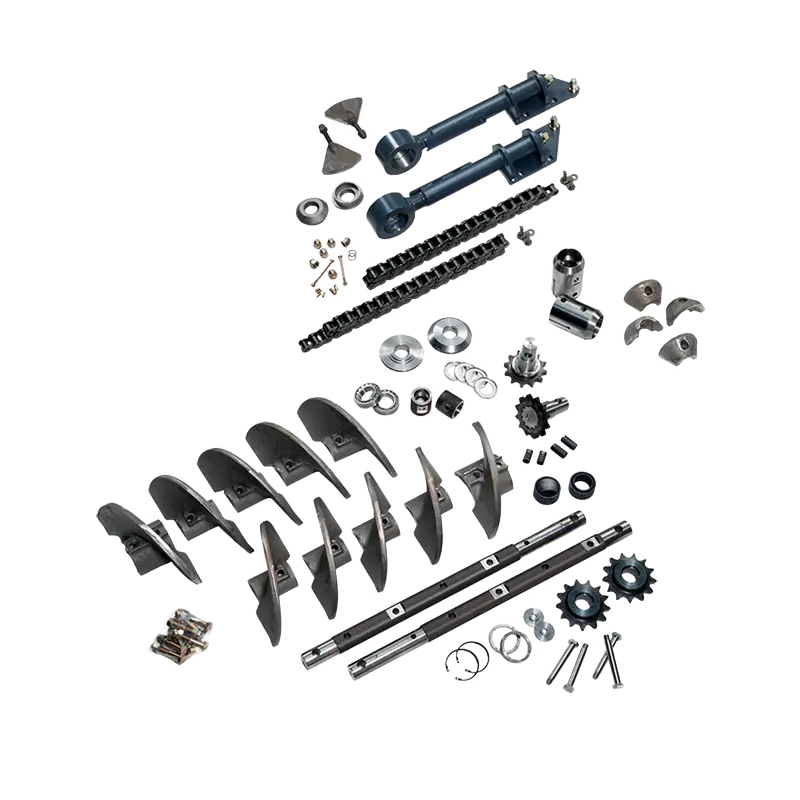
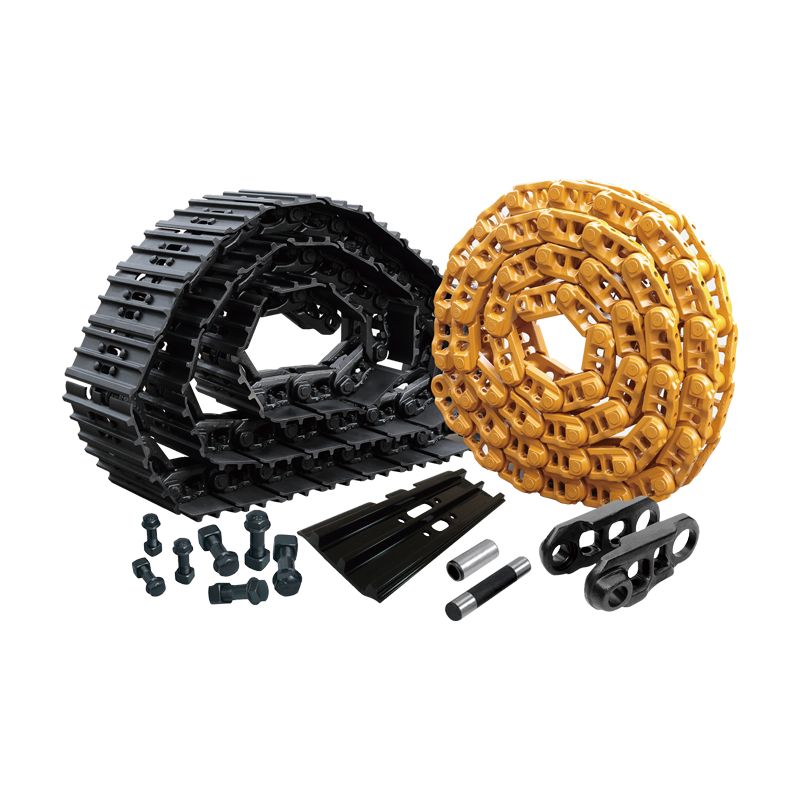
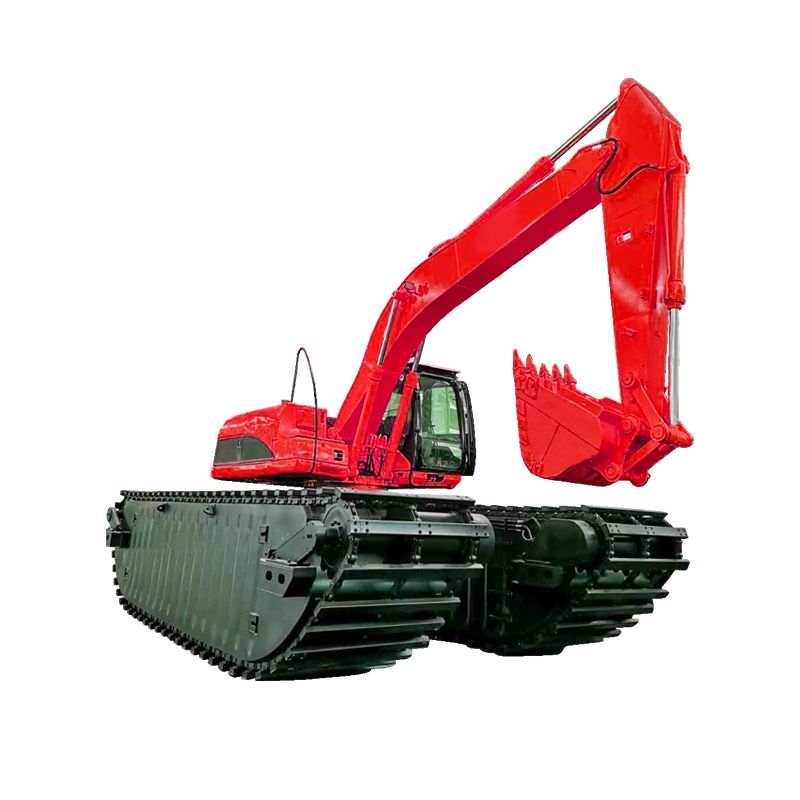
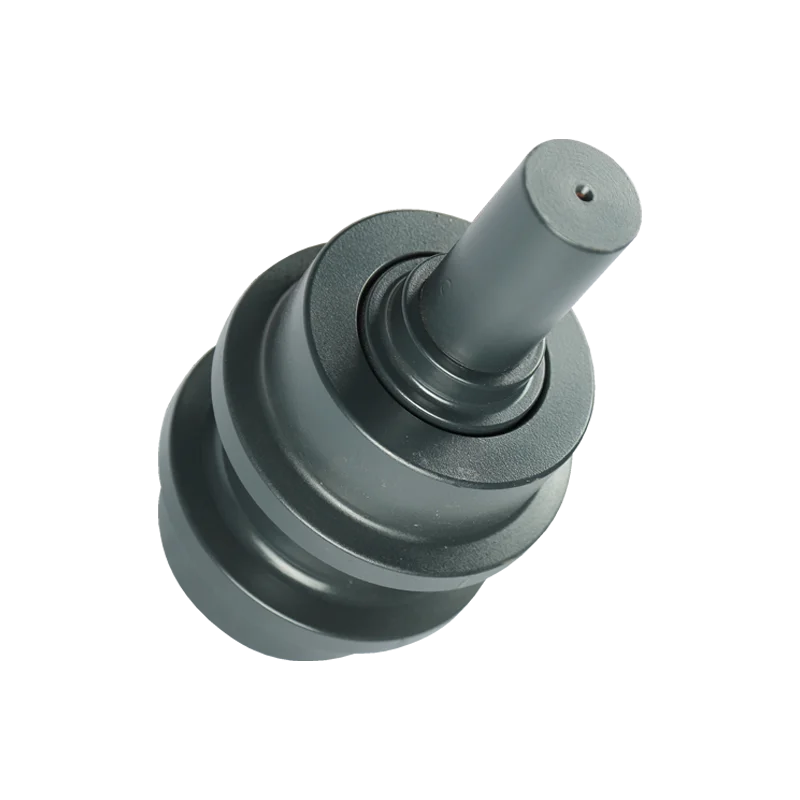
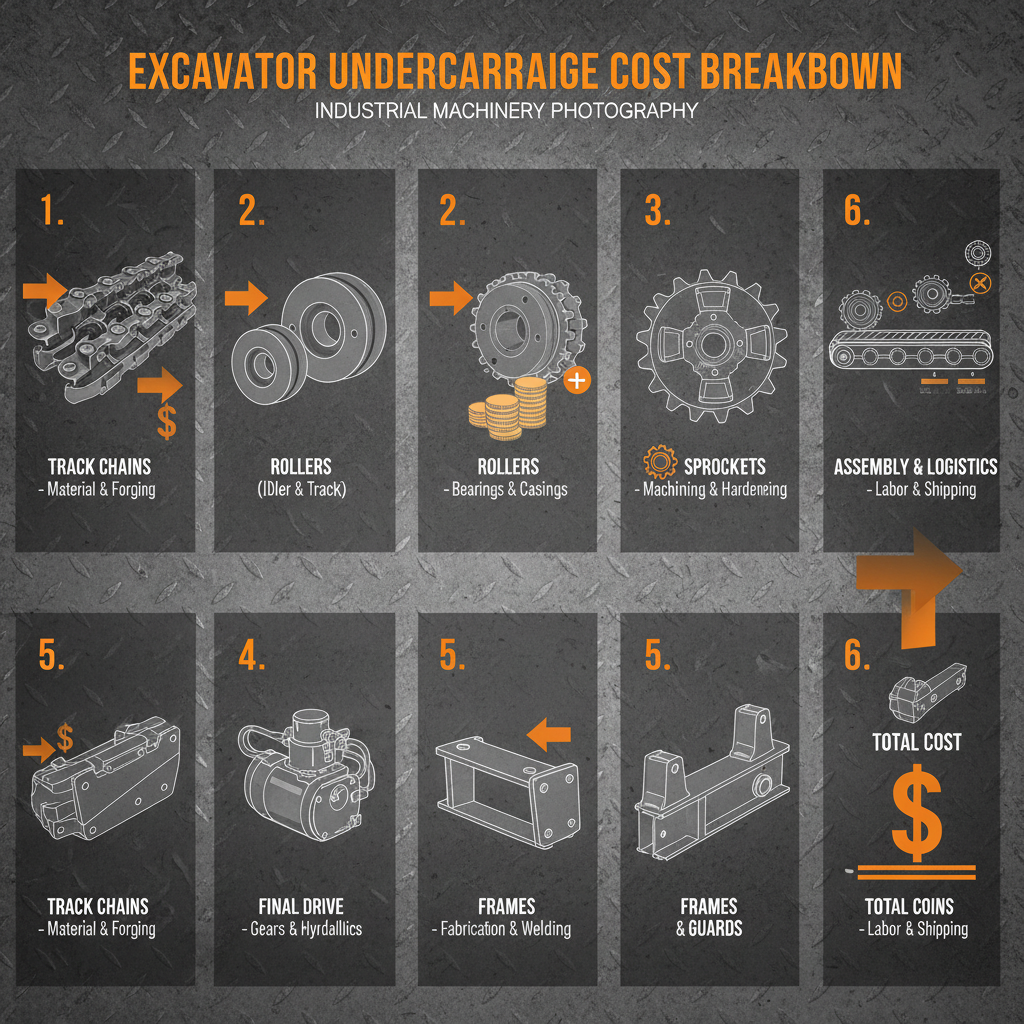
An excavator undercarriage consists of several crucial parts, each contributing to the overall cost. These include tracks (rubber or steel), rollers, idlers, sprockets, and tensioners. The type of tracks significantly impacts price; steel tracks are generally more expensive upfront but offer greater durability for demanding applications. Rollers and idlers wear due to constant contact with the ground, and their replacement is a recurring expense. The sprocket, which drives the tracks, experiences significant wear and tear and is often a key driver of undercarriage rebuild costs. Understanding the lifespan and replacement cost of each component is vital for effective budgeting.
Key Takeaway: Proactive monitoring of wear on individual components can prevent catastrophic failures and potentially lower overall costs.
Factors Influencing Excavator Undercarriage Cost
Several factors directly impact the cost of an excavator undercarriage. Operating environment plays a huge role – abrasive materials like gravel and rock accelerate wear. Operator technique is also critical; improper operation, such as sharp turns on hard surfaces, significantly reduces undercarriage life. Machine size and weight also contribute; larger excavators require heavier-duty and thus more expensive undercarriage components. Finally, the quality of the components themselves is a major determinant; investing in high-quality parts from reputable suppliers like Crafts Manufacturing can result in long-term savings.
Cost Influencers:
• Operating Environment (abrasive materials)
• Operator Technique
• Machine Size & Weight
• Component Quality
Excavator Undercarriage Cost: Rubber vs. Steel Tracks
The choice between rubber and steel tracks profoundly impacts the excavator undercarriage cost. Rubber tracks are generally less expensive upfront and are ideal for applications that require minimal ground disturbance, like landscaping or utility work. Steel tracks, however, offer superior durability and are better suited for harsh environments and heavy-duty tasks like demolition or mining. While the initial investment is higher, steel tracks typically last significantly longer, potentially reducing long-term costs. Here's a comparison:
Maintenance to Minimize Excavator Undercarriage Cost
Regular maintenance is crucial for extending the life of your excavator undercarriage and minimizing costs. This includes daily inspections for damage, regular lubrication of rollers and idlers, proper track tension adjustment, and timely replacement of worn components. Monitoring track wear using depth gauges and documenting maintenance activities will help you predict replacement needs and budget accordingly. A well-maintained undercarriage significantly reduces the risk of unexpected breakdowns and costly repairs. Crafts Manufacturing offers expert advice and quality parts to support your maintenance efforts.
Typical Excavator Undercarriage Replacement Costs
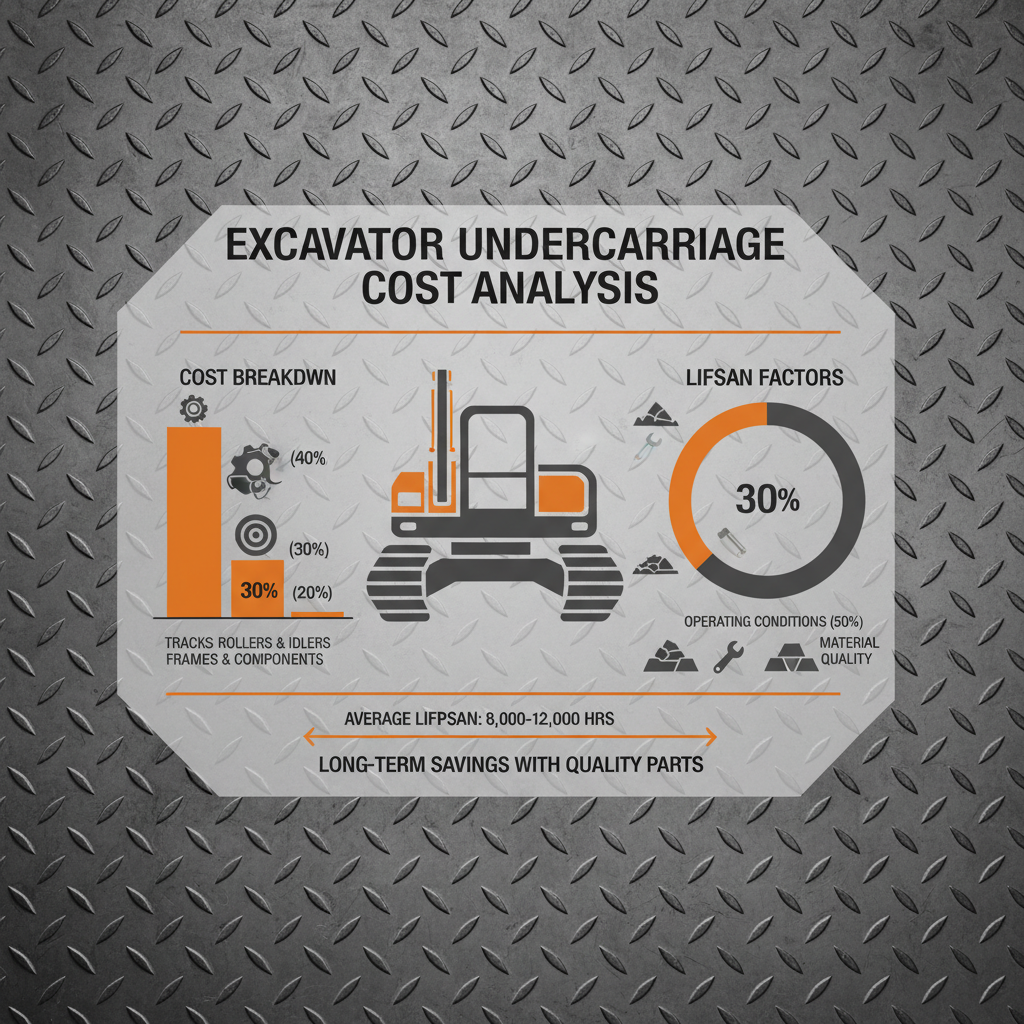
The cost of replacing an excavator undercarriage varies widely depending on the machine size, track type, and component quality. As a general guideline, a complete undercarriage replacement can range from $8,000 to $30,000+ for a mid-sized excavator. It's often more cost-effective to replace components in stages as they wear, rather than waiting for a complete failure. Careful analysis of wear patterns and proactive replacement can save you significant money in the long run.
Conclusion: Proactive Management of Undercarriage Costs
Managing excavator undercarriage costs effectively requires a proactive approach. Regular maintenance, careful monitoring of wear, and informed component selection are key to maximizing undercarriage life and minimizing downtime. Partnering with a reputable supplier like Crafts Manufacturing ensures you receive high-quality parts and expert support. Don’t wait for failures – invest in preventative measures and protect your equipment investment.
Frequently Asked Questions (FAQs)
How often should I inspect my excavator undercarriage?
Daily visual inspections are recommended. Check for obvious damage like cuts, cracks, or excessive wear on the tracks, rollers, and idlers. A more thorough inspection, including measuring track wear and checking tension, should be performed weekly or every 50 operating hours. Keep a detailed log of your inspections and maintenance activities. Consistent monitoring allows for early detection of issues, preventing more significant and expensive repairs down the line.
What is the best way to extend the life of my rubber tracks?
Maintaining proper track tension is crucial. Too loose, and the tracks can slip and de-rail; too tight, and it puts excessive stress on the rollers and idlers. Avoid sharp turns on abrasive surfaces, and minimize spinning the tracks. Regularly clean the tracks to remove debris, and inspect them for cuts or damage. Consider using track protectors in particularly harsh environments.
What are the signs that my excavator undercarriage needs replacing?
Common signs include excessive track wear (indicated by measuring track depth), noticeable looseness or play in the rollers or idlers, difficulty maintaining track tension, and increased noise or vibration during operation. Significant wear on the sprockets is also a key indicator. Ignoring these signs can lead to catastrophic failure and costly downtime.
Can I replace undercarriage components individually, or do I need to replace the entire system?
You can often replace individual components – rollers, idlers, sprockets – as they wear, rather than replacing the entire undercarriage. However, it's essential to assess the overall condition of the system. If multiple components are severely worn, it may be more cost-effective to replace the entire undercarriage to ensure optimal performance and avoid future issues. A professional assessment from a qualified mechanic is highly recommended.
Post time: Mar-28-2026