Understanding New Undercarriage Cost: A Comprehensive Guide
Investing in heavy equipment is a significant undertaking, and understanding the costs associated with maintenance is crucial for maximizing return on investment. A major component of this maintenance is the undercarriage, particularly for machines like excavators and bulldozers. This article dives deep into the factors influencing new undercarriage cost, providing insights into pricing, lifespan, and strategies for cost-effective management. We'll explore what drives these costs and how to make informed decisions to optimize your equipment's performance and longevity.
Factors Influencing New Undercarriage Cost
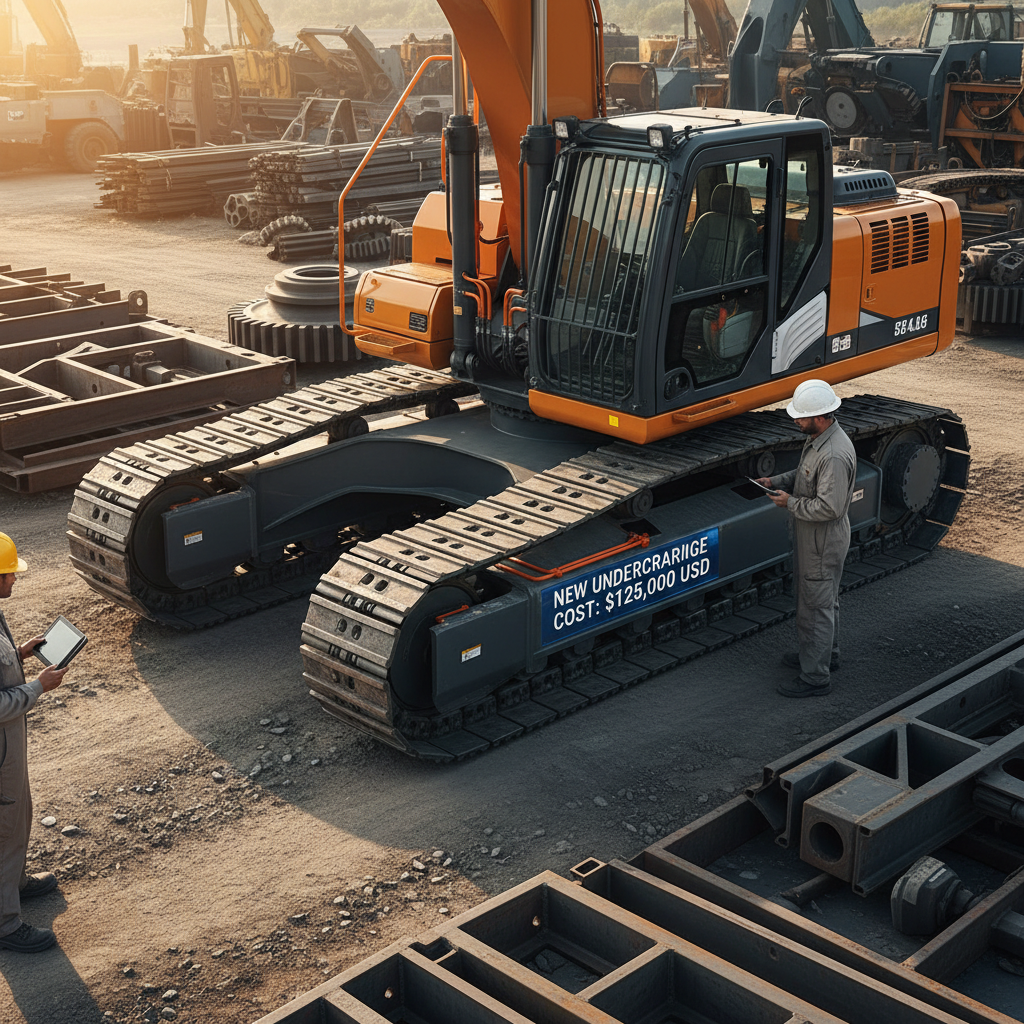
Several key factors contribute to the final price of a new undercarriage. Machine size and type are primary determinants, with larger excavators and bulldozers naturally requiring more expensive components. The brand of the machine also plays a role; OEM (Original Equipment Manufacturer) undercarriages generally command a premium price compared to aftermarket options. Component quality – including the materials used for tracks, rollers, and idlers – significantly impacts both the initial cost and the undercarriage’s lifespan. Finally, geographic location and supplier competition can influence pricing, with different regions experiencing variations in availability and demand. Understanding these factors is essential for budget planning and sourcing the best value.
Key Considerations: Machine size, brand, component quality, geographical location and supplier competition
Undercarriage Component Breakdown and Costs
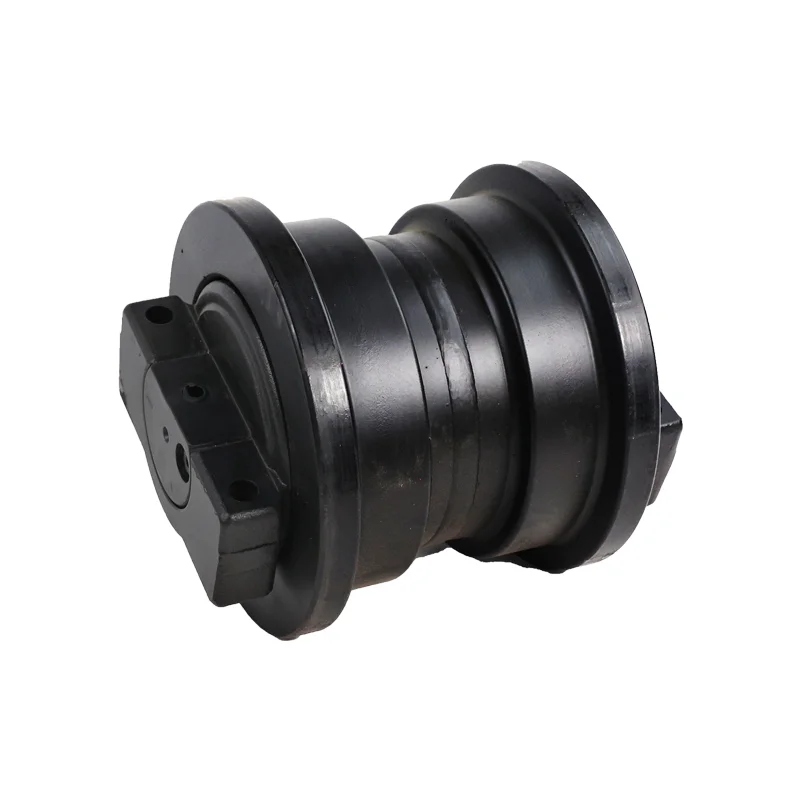
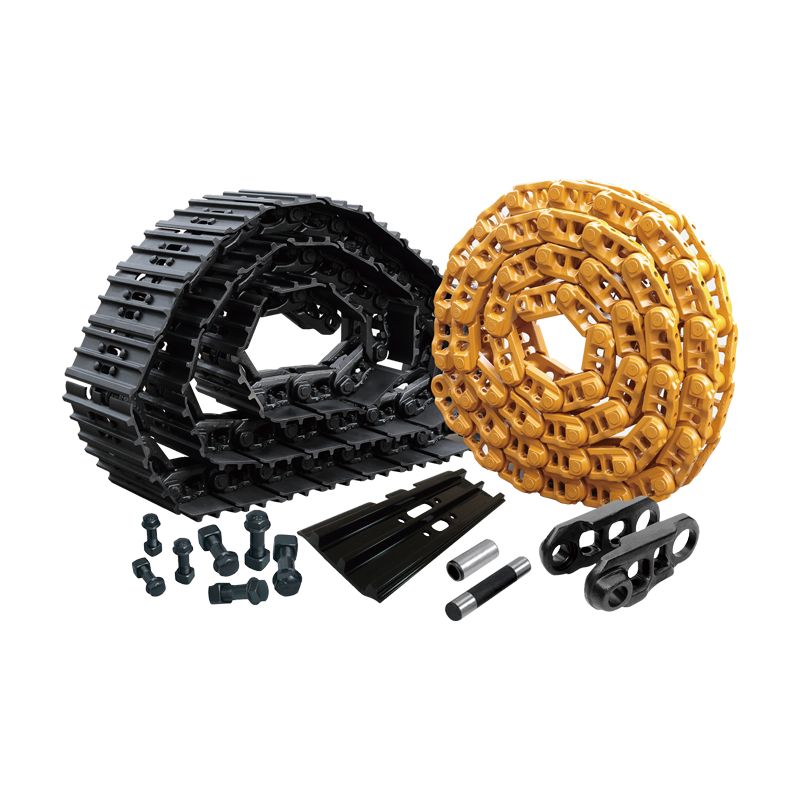
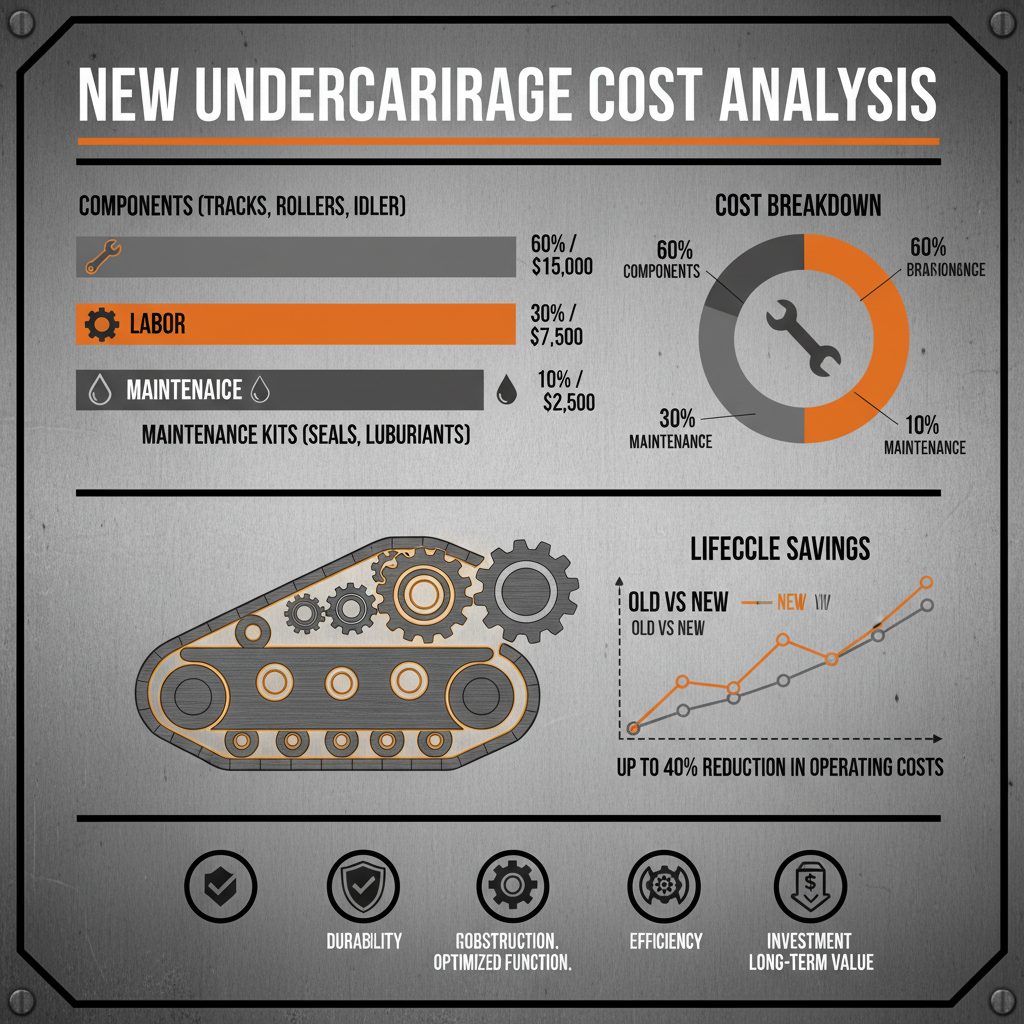
A new undercarriage isn't a single item but a collection of components working together. The major components and their typical cost percentages (as of late 2023/early 2024) are:
OEM vs. Aftermarket Undercarriage: A Cost Comparison
A common dilemma is choosing between an OEM undercarriage and an aftermarket alternative. OEM undercarriages are supplied directly by the equipment manufacturer and are generally more expensive, often 20-40% higher than aftermarket options. However, they are typically engineered to precise specifications for your specific machine, potentially offering better compatibility and performance. Aftermarket undercarriages, sourced from independent manufacturers, can provide significant cost savings. However, quality can vary widely. Choosing a reputable aftermarket supplier with a strong track record is critical to ensure durability and reliability.
Cost Comparison Table:
Machine Size | OEM Undercarriage Cost | Aftermarket Undercarriage Cost
20-ton Excavator | $25,000 - $35,000 | $18,000 - $25,000
50-ton Excavator | $40,000 - $60,000 | $28,000 - $45,000
Maximizing Undercarriage Lifespan: Proactive Maintenance
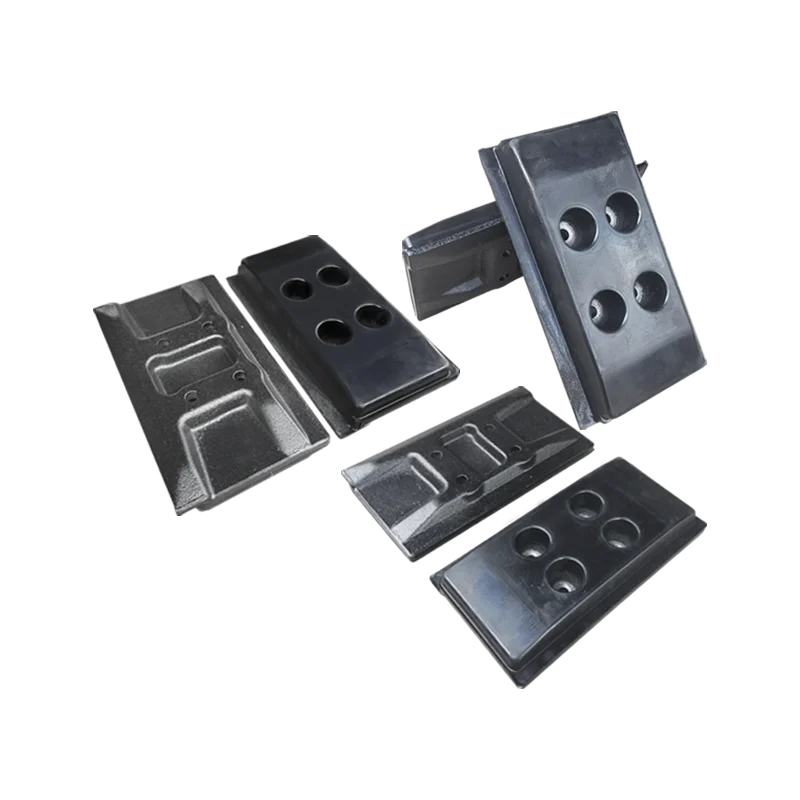
Extending the life of your undercarriage is a key strategy for reducing overall costs. Regular inspections are crucial for identifying wear and tear early on. Proper lubrication is paramount, ensuring smooth operation and minimizing friction. Monitor track tension regularly and adjust as needed. Implement operating best practices, such as avoiding sharp turns on abrasive surfaces and minimizing excessive travel on steep inclines. Consider track shoe protection for working in harsh environments. Finally, Crafts Manufacturing provides expert undercarriage services and can help you develop a tailored maintenance plan.
Understanding Wear Patterns and When to Replace
Recognizing wear patterns is vital for determining when to replace undercarriage components. Uneven wear indicates potential issues with machine alignment or operating conditions. Excessive wear on the inside of the tracks suggests poor lubrication or improper tension. Look for cracks, spalling, or significant loss of material on rollers and idlers. A general rule of thumb is to replace the entire undercarriage assembly when one component reaches a certain level of wear (typically around 50-60%). However, this depends on the specific application and operating conditions. Consulting with an undercarriage specialist can provide a more accurate assessment.
Conclusion: Managing New Undercarriage Cost Effectively
Managing new undercarriage cost requires a holistic approach. Understanding the factors influencing pricing, carefully evaluating OEM versus aftermarket options, and implementing a proactive maintenance strategy are all essential. By taking these steps, you can maximize the lifespan of your undercarriage, minimize downtime, and optimize the return on your investment in heavy equipment.
Frequently Asked Questions (FAQs)
What is the typical lifespan of an excavator undercarriage?
The lifespan of an excavator undercarriage varies significantly based on operating conditions, machine size, and maintenance practices. Generally, you can expect between 2,500 to 5,000 hours of use. However, in harsh environments with abrasive materials or consistently heavy loads, the lifespan can be much shorter. Regular inspections and proactive maintenance are critical for maximizing the undercarriage's longevity. Monitoring wear patterns and replacing components promptly can prevent more extensive and costly damage down the line. Consider factors like the type of soil, the frequency of impacts, and the operator's skill level when estimating the lifespan.
How often should I lubricate my undercarriage?
Lubrication frequency depends on operating conditions. As a general guideline, lubricate rollers, idlers, and carrier rollers daily, or at the beginning of each shift. In dusty or abrasive environments, more frequent lubrication is necessary. Use a high-quality, heavy-duty grease designed specifically for undercarriage components. Proper lubrication reduces friction, minimizes wear, and prevents corrosion. Automated lubrication systems can be a valuable investment, ensuring consistent and precise grease application.
What are the benefits of sealed and lubricated track (SLT) undercarriages?
Sealed and Lubricated Track (SLT) undercarriages offer several advantages over traditional undercarriages. They feature a sealing system that keeps lubricant inside the track rollers and prevents contaminants from entering. This results in reduced wear, extended component life, and lower maintenance costs. SLT undercarriages also require less frequent lubrication, saving time and labor. While they typically have a higher initial cost, the long-term benefits often outweigh the upfront investment.
Post time: Mar-31-2026