Understanding Bottom Roller Track Systems for Enhanced Conveyance
Efficient material handling is crucial for businesses involved in logistics, manufacturing, and warehousing. A key component in achieving seamless conveyance is the bottom roller track system. These systems provide a reliable and cost-effective solution for moving products and materials along a defined path. This article will delve into the benefits, applications, types, and considerations when selecting the right bottom roller track for your needs. Improving your conveyance process with the right track can significantly enhance operational efficiency and reduce labor costs.
The Core Benefits of Utilizing Bottom Roller Tracks
Bottom roller tracks offer a compelling set of advantages over other material handling solutions. They are known for their simplicity, durability, and low maintenance requirements. They’re also incredibly versatile and can be configured for straight runs, curves, inclines, and declines. This adaptability makes them suitable for a wide range of applications. Furthermore, the smooth rolling action reduces friction, minimizing damage to transported goods. This ultimately leads to lower operational costs and improved product quality. A well-designed bottom roller track system is a long-term investment in efficiency.
Key Highlights: Versatility, durability, low maintenance, reduced friction, and adaptability to various layouts are just a few of the benefits associated with bottom roller tracks.
Types of Bottom Roller Track Systems: Finding the Right Fit
Several types of bottom roller track systems cater to different operational needs. These include:
- Powered Roller Tracks: Employ motors to drive the rollers, enabling controlled and consistent movement of items.
- Gravity Roller Tracks: Utilize gravity to move products along the track, ideal for declination scenarios and lower-volume applications.
- Accumulating Roller Tracks: Designed to allow products to accumulate on the track without causing backpressure, vital for variable-speed production lines.
- Curve Roller Tracks: Facilitate changes in direction, essential for complex layouts and space optimization.
Selecting the appropriate type of bottom roller track depends on factors like the weight of the items, the required throughput, and the overall layout of your facility.
Roller Track System Types:
• Powered Roller Tracks
• Gravity Roller Tracks
• Accumulating Roller Tracks
• Curve Roller Tracks
Bottom Roller Track Applications Across Industries
The versatility of bottom roller tracks extends across numerous industries. In warehousing and distribution centers, they streamline the sorting and transport of packages. Manufacturing facilities utilize them for moving components along assembly lines. Retail environments benefit from their ability to facilitate efficient order fulfillment. Airport baggage handling systems often incorporate roller tracks for rapid and reliable luggage conveyance. Even in smaller operations, such as shipping departments, bottom roller tracks significantly improve productivity.
Key Considerations When Selecting a Bottom Roller Track System
Choosing the right bottom roller track requires careful consideration of several factors. The weight and dimensions of the items being transported are paramount. The required throughput and speed should also be evaluated. The layout of your facility and the available space will influence the configuration. Finally, the materials used in the track's construction should be chosen to withstand the expected operating conditions. Investing in a high-quality bottom roller track from a reputable supplier like Crafts MFG will ensure long-term reliability and performance.
Product Specifications and Material Options
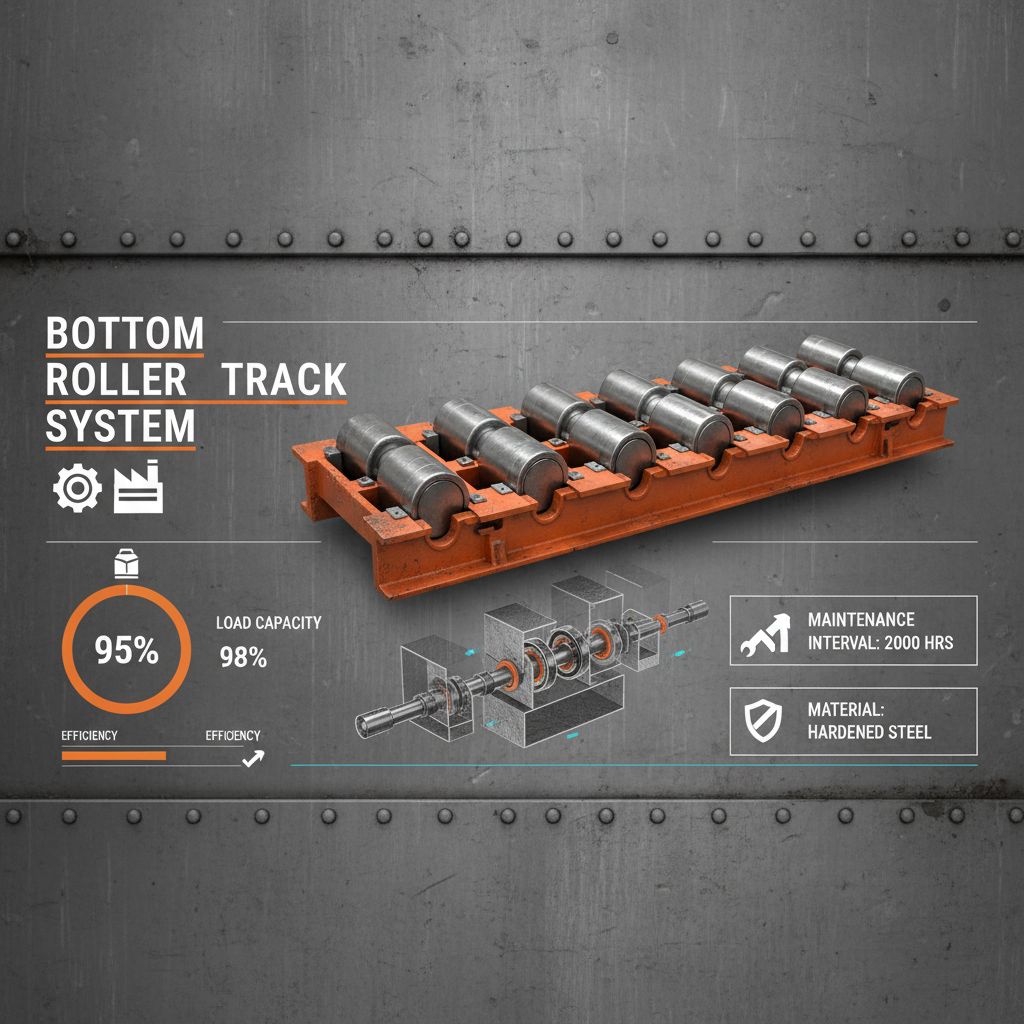
Bottom roller tracks are generally constructed from steel, aluminum, or stainless steel. Steel is the most common and cost-effective option, offering excellent strength and durability. Aluminum is lighter and corrosion-resistant, making it suitable for specific applications. Stainless steel provides superior corrosion resistance and hygiene, ideal for food processing and pharmaceutical environments. Rollers themselves are often coated with polyurethane or other materials to provide grip and reduce noise. Crafts MFG provides a variety of customization options to tailor the bottom roller track to your specific needs.
Conclusion: Optimizing Your Operations with Bottom Roller Tracks
Investing in a well-designed bottom roller track system is a strategic move for any business seeking to improve material handling efficiency and reduce operational costs. With a variety of options available, it's crucial to carefully assess your specific needs and choose a system that aligns with your operational requirements. Contact Crafts MFG today to discuss your project and receive expert guidance.
Frequently Asked Questions (FAQs)
What is the typical lead time for a custom bottom roller track system?
The lead time for a custom bottom roller track system varies depending on the complexity of the design and our current workload. However, a standard custom system typically takes between 4-6 weeks from order confirmation to delivery. We prioritize clear communication throughout the process, providing regular updates on the progress of your project. We can provide a more accurate estimate after discussing your specific requirements. Contacting us directly at Crafts MFG is the best way to get an accurate timeline.
What maintenance is required for bottom roller tracks?
Bottom roller tracks are generally low-maintenance, but regular inspection and lubrication are recommended. Periodically check the rollers for debris and remove any obstructions. Lubricating the bearings every 6-12 months (or more frequently in harsh environments) will ensure smooth operation and extend the lifespan of the rollers. Inspect the frame for any signs of damage or wear. Following these simple maintenance steps will help maintain the system’s performance and prevent costly downtime.
Can bottom roller tracks be integrated with other automation systems?
Yes, bottom roller tracks can be seamlessly integrated with other automation systems such as conveyors, sorters, and robotic arms. We design our tracks with compatibility in mind, allowing for easy integration with existing infrastructure. Proper integration requires careful planning and coordination, and our team at Crafts MFG can assist with the design and implementation of integrated solutions.
What is the weight capacity of your bottom roller tracks?
The weight capacity of our bottom roller tracks varies depending on several factors, including the roller diameter, roller material, and track construction. Typically, our standard tracks can handle loads up to 100 lbs per roller. However, we can customize the track design to accommodate heavier loads if required. We recommend providing us with the weight and dimensions of the items you plan to transport so we can recommend the appropriate track configuration.
Post time: Apr-04-2026