The Ultimate Guide to Bottom Track Rollers: Enhancing Industrial Efficiency
In the world of industrial sliding systems and heavy-duty gateways, the stability and smoothness of movement depend entirely on the quality of the supporting hardware. bottom track rollers serve as the critical foundation, bearing the weight of the structure while ensuring effortless gliding. Whether you are managing a warehouse, designing an automated assembly line, or installing commercial sliding doors, choosing the right rollers can mean the difference between seamless operation and costly downtime. This guide provides a professional deep dive into the technical aspects and selection criteria for these essential components.
The Fundamental Role of Bottom Track Rollers in Heavy-Duty Systems
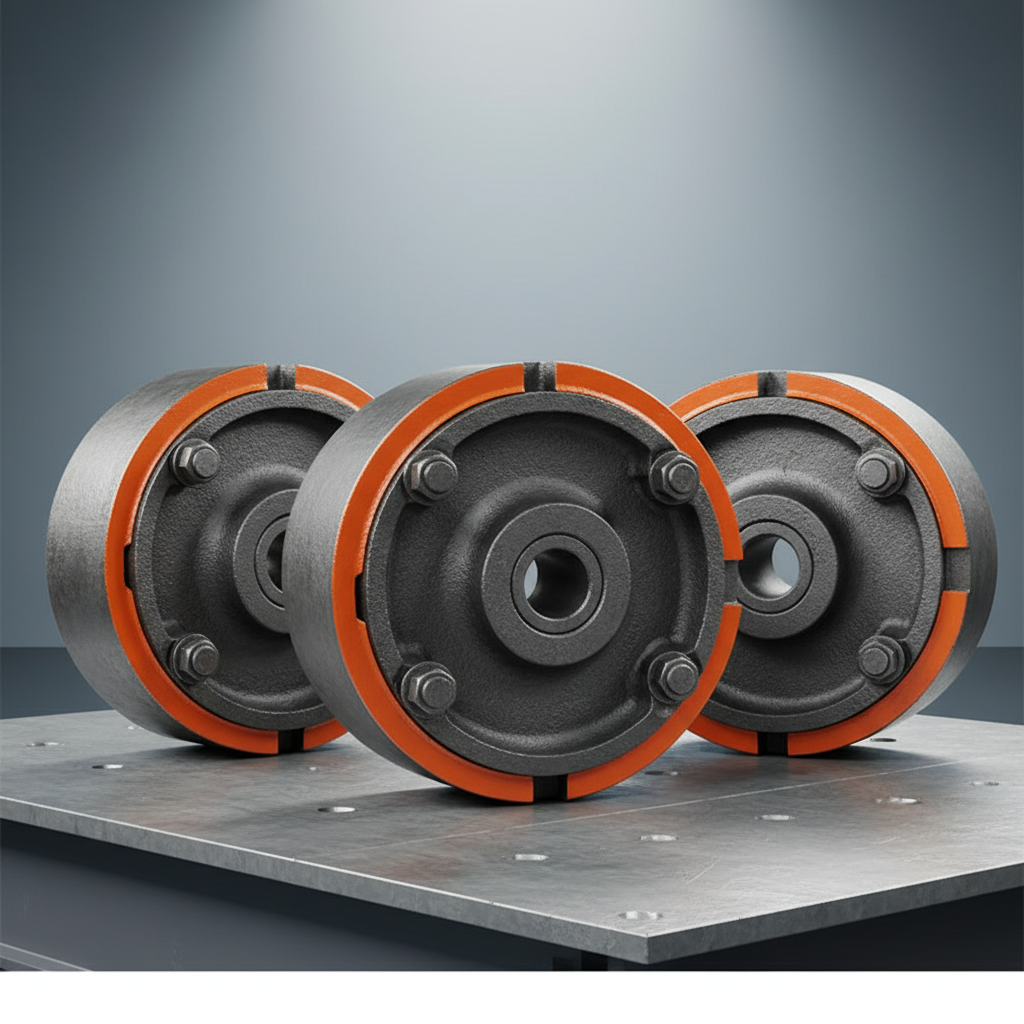
Bottom track rollers are engineered to support the vertical load of a sliding gate or door while facilitating horizontal movement along a fixed rail. Unlike top-hung systems, bottom-rolling configurations are preferred for massive weights because they transfer the load directly to the ground, reducing the stress on the upper frame. High-quality bottom track rollers utilize precision bearings and wear-resistant materials to minimize friction. This not only extends the lifespan of the track itself but also reduces the energy required for motorized systems, leading to lower operational costs and less mechanical wear over time.
Expert Insight: The choice of bearing (ball bearing vs. roller bearing) is crucial. Ball bearings are ideal for high-speed, lighter loads, while roller bearings are essential for high-capacity industrial applications where stability is non-negotiable.
Material Selection for High-Performance Bottom Track Rollers
The environment in which your hardware operates dictates the material of the rollers. For most industrial settings, galvanized steel or stainless steel is the gold standard due to their immense strength and resistance to deformation. However, in environments where noise reduction is a priority or where the track is susceptible to scratching, nylon or polyurethane-coated rollers are often deployed. When sourcing bottom track rollers, it is vital to consider the corrosive nature of the environment; for instance, coastal areas require Grade 316 stainless steel to prevent salt-air degradation.
Material Comparison Guide:
• Stainless Steel: Maximum durability, corrosion resistance, high load capacity.
• Galvanized Steel: Cost-effective, strong, suitable for indoor/dry outdoor use.
• Nylon/Polyurethane: Quiet operation, non-marking, best for light to medium loads.
Comparative Analysis: Bottom Track Rollers vs. Top-Hung Systems
Deciding between a bottom-track and a top-hung system depends on the weight of the door and the structural integrity of your ceiling. Bottom-rolling systems are inherently more stable for oversized industrial gates. By utilizing bottom track rollers, the center of gravity remains low, which prevents the door from swaying or "walking" during operation. While top-hung systems offer a cleaner floor appearance, they require significant overhead reinforcement to prevent sagging over time.
Optimizing Installation of Bottom Track Rollers for Longevity
Even the highest quality rollers will fail if the installation is imprecise. The most critical factor is track alignment. If the track is not perfectly level or straight, the rollers will experience uneven pressure, leading to "flat spots" on the wheel and premature bearing failure. Professional installation of bottom track rollers involves using precision leveling tools and ensuring that the track is securely anchored to prevent shifting under load. Additionally, incorporating a debris-guard or a recessed track can protect the rollers from pebbles and dust, which are common causes of friction and jamming in industrial environments.
Technical Specifications and Loading Capacities
When selecting rollers, you must match the Dynamic Load Rating with the actual weight of your sliding structure. The Dynamic Load refers to the maximum weight the roller can support while in motion. Overloading a roller leads to rapid deformation and potential system failure. For precision engineering, it is recommended to use a safety factor of at least 1.5x the actual load. Below are the typical technical specifications for industrial-grade bottom track rollers:
Maintenance Strategies for Long-Term Reliability
To maximize the return on investment for your hardware, a proactive maintenance schedule is essential. The primary enemy of bottom track rollers is the accumulation of grime, dust, and metal shards in the track. Weekly cleaning of the track path prevents "jumping" and reduces the torque required by the motor. Additionally, while many modern rollers come with "sealed-for-life" bearings, high-load industrial applications benefit from periodic lubrication using high-pressure lithium grease. Monitoring for unusual vibrations or grinding noises during operation can help identify a failing bearing before it causes a catastrophic system halt.
Conclusion: Achieving Seamless Motion with Quality Rollers
Investing in professional-grade bottom track rollers is not just about purchasing a component; it is about ensuring the reliability, safety, and efficiency of your entire sliding infrastructure. From selecting the appropriate material to ensuring precise installation and consistent maintenance, every detail contributes to a system that operates silently and effortlessly. By prioritizing high load capacities and corrosion resistance, you protect your business from unexpected downtime and ensure a long operational lifecycle for your industrial assets.
Frequently Asked Questions (FAQs)
How do I determine the correct load capacity for my rollers?
To determine the correct load capacity, first calculate the total weight of the sliding gate or door. Divide this total weight by the number of rollers you plan to use. For example, if a gate weighs 1,000kg and you use 2 rollers, each roller must support at least 500kg. However, it is professional practice to apply a "safety factor" of 1.5x to 2x. This means you should look for rollers rated for 750kg to 1,000kg each to account for dynamic forces, wind loads, and uneven weight distribution, ensuring the bottom track rollers do not deform under peak stress.
What causes bottom track rollers to wear out prematurely?
The most common cause of premature wear is a combination of track contamination and misalignment. When dust, sand, or metal shavings accumulate in the track, they act as abrasives that wear down the wheel surface. Misalignment causes the roller to ride on its edge rather than the center, creating concentrated stress points and leading to "flat spots." Additionally, using rollers made of materials unsuitable for the environment—such as using carbon steel in a salty coastal area—leads to rapid corrosion and bearing seizure. Regular cleaning and alignment checks are the best ways to prevent these issues.
Can I replace only the rollers without replacing the entire track?
In most cases, yes. bottom track rollers are designed as modular components. As long as the existing track is not severely warped, dented, or worn down (which would cause the new rollers to wobble), you can simply replace the roller assemblies. However, it is highly recommended to inspect the track surface during the replacement process. If the track has deep grooves worn into it from the old rollers, installing new rollers may lead to a bumpy ride or premature wear of the new hardware. In such cases, a track resurfacing or replacement is advised.
Which is better: Steel or Nylon rollers for a commercial warehouse?
For a commercial warehouse, the choice depends on the specific application. If you are moving heavy pallets or oversized security doors, steel rollers are the only viable option due to their load-bearing capacity and durability. If you are operating lighter interior partitions where noise reduction is critical for employee comfort, nylon rollers are superior. However, for the main entrance or heavy-duty sliding bays, steel is the professional choice. Many warehouses opt for a hybrid approach, using heavy-duty steel bottom track rollers for external gates and nylon for internal sliding panels.
Post time: Apr-09-2026