The Ultimate Guide to Choosing the Right Roller Bottom for Industrial Efficiency
In the world of material handling and industrial logistics, the efficiency of movement can make or break a production timeline. A high-quality roller bottom system is essential for reducing friction, minimizing manual labor, and ensuring the smooth transport of heavy loads across warehouse floors. Whether you are optimizing a conveyor line or designing a custom mobile platform, understanding the mechanics of roller systems is key to operational success. In this comprehensive guide, we will explore the technical advantages, material choices, and industry applications that make these systems indispensable for modern manufacturing.
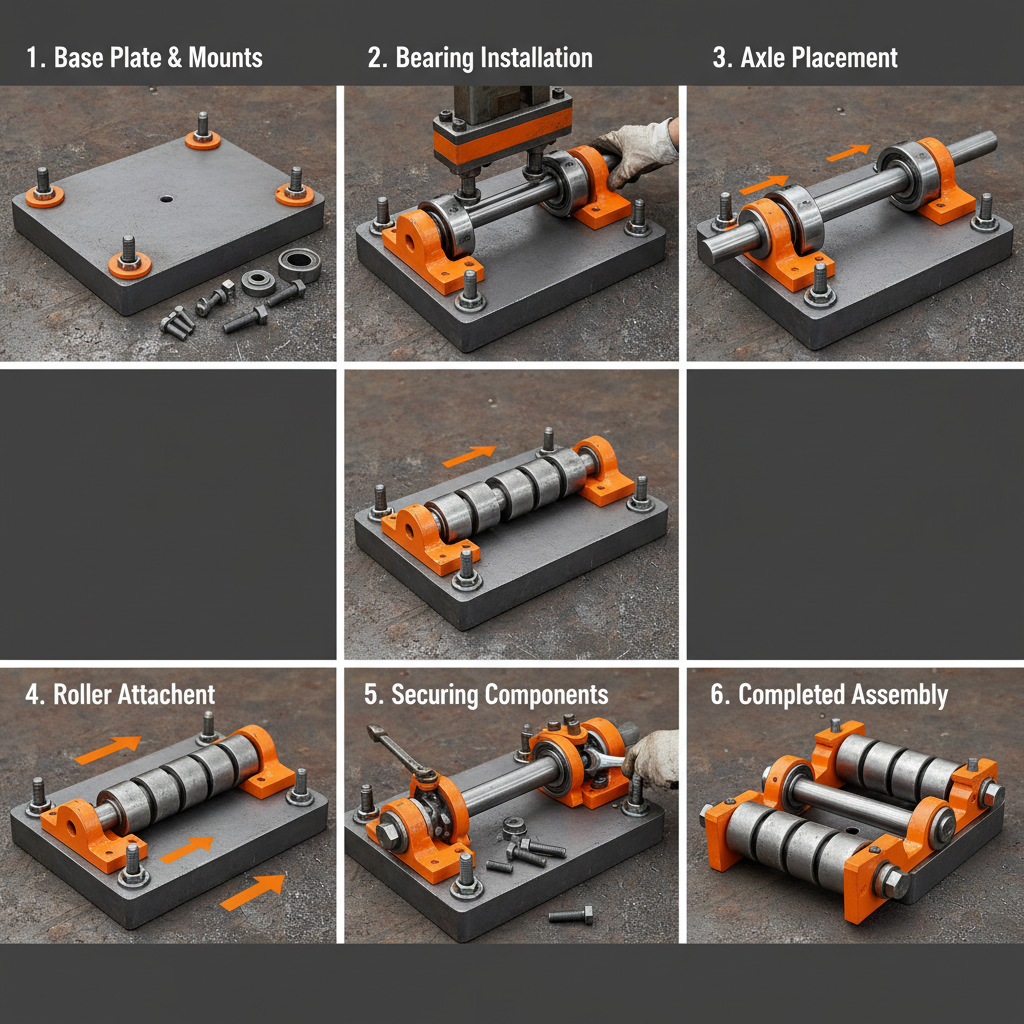
Engineering Advantages of a Precision Roller Bottom
The primary goal of implementing a roller bottom is to convert sliding friction into rolling friction, which significantly lowers the force required to move heavy objects. This transition not only protects the surface of the floor and the load itself from abrasion but also enhances worker safety by reducing the physical strain of pushing or pulling. Precision-engineered rollers ensure a consistent height and alignment, preventing the "stuttering" effect often seen in low-quality systems. By utilizing advanced bearings and durable housings, these systems maintain high performance even under continuous heavy-duty cycles.
Key Performance Boosters: High-grade steel bearings reduce heat buildup, while reinforced frames prevent deformation under extreme weight, ensuring the system remains level and efficient over years of service.
Material Selection for Your Roller Bottom System
Not all environments are the same, and therefore, the material of your roller bottom must match the operational conditions. For example, stainless steel is the gold standard for food processing and pharmaceutical plants due to its corrosion resistance and ease of sterilization. On the other hand, polyurethane-coated rollers are preferred in electronics or fragile goods handling to prevent marking and to provide a dampened, quieter ride. Choosing the wrong material can lead to premature wear, contamination, or excessive noise pollution in the workspace.
Material Comparison Quick-View:
• Stainless Steel: Maximum durability, rust-proof, hygienic.
• Galvanized Steel: Cost-effective, strong, suitable for general warehouses.
• Polyurethane: Non-marking, shock-absorbing, noise-reducing.
• Nylon: Lightweight, chemical resistant, low friction.
Roller Bottom Performance: Comparison Table
To help you decide which configuration is best for your facility, we have compared the three most common types of roller bottom designs. Whether you need a fixed-track system for high-speed sorting or a flexible mobile base for versatile movement, the specifications below highlight the critical trade-offs between load capacity, cost, and maintenance requirements.
Implementing a Roller Bottom in Your Workflow
Integrating a roller bottom requires careful planning of the flow path. To maximize ROI, managers should analyze the most frequent movement patterns in their facility. By installing roller systems at key "bottleneck" points—such as loading docks or between assembly stages—you can drastically reduce the cycle time of each product. Additionally, ensuring that the rollers are spaced correctly to support the load's footprint prevents sagging and maintains a level transit, which is critical for liquid-filled containers or precision-balanced components.
Technical Specifications for Custom Roller Bottoms
When ordering a custom solution from Crafts-Mfg, providing precise technical specifications is vital. This includes the diameter of the rollers, the axle material, and the required load rating per roller. A well-specified system ensures that the load is distributed evenly, avoiding point-stress that could lead to premature failure. Below is a standard specification table used for industrial-grade rollers.
Maintenance Tips for Long-Term Durability
To keep your roller bottom operating at peak efficiency, a proactive maintenance schedule is essential. Debris accumulation is the most common cause of roller failure; dust, metal shavings, and packaging waste can jam the bearings. Regular cleaning with compressed air and periodic lubrication of steel bearings will prevent seizure and reduce noise. For systems operating in humid or caustic environments, inspecting for oxidation and applying protective coatings every six months can double the lifespan of the equipment.
Conclusion: Elevating Your Logistics with a Premium Roller Bottom
Investing in a professional-grade roller bottom system is more than just a hardware upgrade; it is a commitment to operational excellence. By reducing friction, improving ergonomics, and utilizing materials tailored to your specific environment, you can achieve a leaner, faster, and safer workflow. From heavy industrial platforms to delicate assembly lines, the right roller system provides the foundation for growth and efficiency. Contact Crafts-Mfg today to customize your solution.
Frequently Asked Questions (FAQs)
How do I determine the correct number of rollers for my load?
Determining the number of rollers depends on the total weight of the load and the "contact area" of the object being moved. The goal is to ensure that the weight is distributed so that no single roller exceeds its rated load capacity. A general rule of thumb is to calculate the total weight and divide it by the load rating of a single roller, then add a safety margin of 20-30%. Additionally, the spacing between rollers should be small enough that the load is always supported by at least three rollers to prevent tilting or sagging.
Can a roller bottom be used on uneven floors?
While roller systems are designed for flat surfaces, some specialized roller bottom designs include adjustable mounting brackets to compensate for slight floor variances. However, for significant unevenness, it is recommended to install a leveled track or a dedicated conveyor bed. Using rollers on a severely uneven floor can lead to uneven load distribution, causing some rollers to wear out faster than others and potentially causing the load to shift unexpectedly during transit.
What is the difference between a fixed roller and a swivel roller?
Fixed rollers are designed for linear movement in a single, predetermined direction, offering maximum stability and load capacity for straight-line transport. Swivel rollers, however, can rotate 360 degrees, allowing the load to be moved in any direction or to navigate curves and corners. Swivel rollers are ideal for flexible workstations where the operator needs to reposition materials frequently. Depending on your warehouse layout, a combination of both fixed and swivel rollers is often the most efficient approach to ensure fluid material flow.
How often should I replace the bearings in my roller system?
Replacement frequency varies based on the environment and load frequency. In a clean, climate-controlled warehouse, high-quality bearings can last several years with minimal maintenance. However, in environments with high dust, moisture, or chemical exposure, bearings may need inspection every 6 months and replacement every 1-2 years. Signs that bearings need replacement include increased noise (squeaking or grinding), increased resistance when pushing the load, or visible wear on the roller axle. Regular lubrication can significantly extend this lifespan.
Post time: Apr-16-2026