In the demanding world of heavy machinery, the efficiency of earthmoving operations often hinges on the quality of the tools attached to the machine. For operators dealing with challenging terrains, understanding the versatility of digger blade attachments is essential for maximizing productivity and ensuring precision in grading and excavation tasks.
Globally, the construction and mining industries are shifting toward more specialized equipment to handle diverse soil conditions and environmental constraints. This evolution has placed a premium on high-performance components that can withstand extreme abrasion while providing the structural integrity needed for heavy-duty pushing and leveling.
Whether you are managing a large-scale infrastructure project or operating in specialized environments, investing in the right digger blade attachments can significantly reduce operational downtime and lower the total cost of ownership by enhancing machine utility.

Global Relevance of Digger Blade Attachments
The global demand for infrastructure development, particularly in emerging economies, has surged, leading to an increased reliance on versatile machinery. Digger blade attachments play a critical role in this expansion, allowing a single machine to perform multiple roles, from initial site clearing to final grade finishing, which optimizes fleet management and reduces capital expenditure.
According to industry trends aligned with ISO standards for earth-moving machinery, the integration of high-strength alloys in these attachments has become a global benchmark. This shift ensures that equipment can operate in the most abrasive environments—such as volcanic soil or frozen tundra—without frequent replacements, thereby supporting the continuity of critical global supply chain projects.
Defining the Function of Digger Blade Attachments
In simple technical terms, digger blade attachments are specialized interchangeable tools mounted to the front or side of a digging machine to facilitate pushing, leveling, and spreading materials. Unlike a standard bucket, which is designed for lifting and loading, the blade is engineered for surface interaction, enabling the operator to manipulate large volumes of soil or debris with high precision.
These attachments are vital for modern industrial needs, particularly in the "refitting" phase of excavator operation. By swapping a bucket for a blade, a machine is transformed from a digging tool into a grading tool, which is indispensable for preparing foundations, creating roadbeds, and managing drainage slopes in complex construction sites.
From a humanitarian perspective, the ability to quickly deploy these tools is crucial during post-disaster recovery. Whether it is clearing landslide debris or carving out emergency access roads in remote areas, the versatility provided by these components ensures that relief efforts can proceed with maximum speed and minimal mechanical failure.
Core Components for Maximum Durability
The longevity of digger blade attachments depends heavily on the material science used in their construction. High-carbon steel and boron alloys are frequently employed to ensure that the leading edge can withstand constant friction and impact without warping or excessive wear, which is critical for maintaining a true grade.
Another key factor is the modularity of the cutting edges. Most professional-grade digger blade attachments feature replaceable wear strips or "bolt-on" edges. This design allows operators to replace only the worn-out contact points rather than the entire blade assembly, significantly reducing maintenance costs and machine downtime.
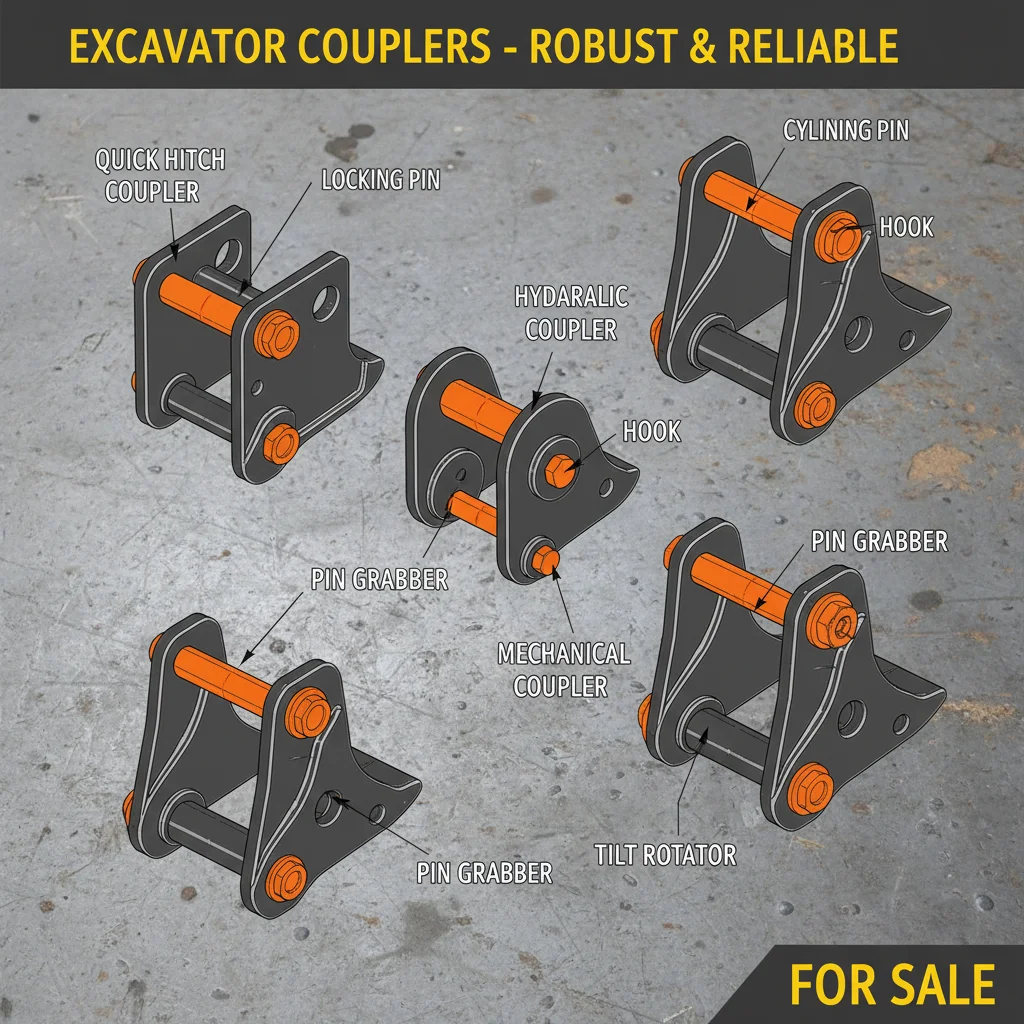
Finally, the mounting system—often involving hydraulic quick couplers—ensures that the attachment remains stable under immense pressure. A secure fit prevents energy loss during the push, ensuring that the full power of the machine's hydraulics is transferred directly to the material being moved, enhancing overall fuel efficiency.
Practical Application and Performance Metrics
When evaluating the performance of these tools, industry experts look at a combination of penetration power, volumetric efficiency, and wear resistance. In practical scenarios, such as preparing a site for an asphalt paver, the ability of the blade to create a perfectly flat surface directly impacts the quality of the final road layer.
The choice of blade geometry also dictates its efficiency. A concave blade is superior for moving large amounts of loose material, while a straight blade is preferred for fine grading. Balancing these factors allows operators to select the specific configuration that matches the geological requirements of their project.
Efficiency Comparison of Digger Blade Attachment Types
Global Use Cases in Extreme Terrains
In remote industrial zones, such as the mining regions of Western Australia or the oil fields of Canada, the use of heavy-duty blades is non-negotiable. In these environments, the soil is often mixed with abrasive quartz or frozen permafrost, requiring attachments that can slice through hard ground without fracturing.
Another critical application is found in amphibious operations. When working in swampy or marshy terrains, specialized wide-profile blades are used to distribute pressure and prevent the machine from sinking while simultaneously clearing vegetation and creating stable pathways for other equipment.
Long-Term Value and Operational Reliability
The true value of high-quality attachments is realized over the lifecycle of the machine. By investing in precision-engineered blades, companies reduce the frequency of "emergency" replacements, which often occur at the most inconvenient times during a project, leading to cascading delays and increased labor costs.
Beyond the financial aspect, there is a significant safety component. A blade that maintains its structural integrity and operates smoothly prevents sudden mechanical failures that could endanger the operator or ground crew. Trust in the equipment allows for more aggressive and efficient work schedules.
Furthermore, the use of sustainable manufacturing processes in producing these attachments—such as recycled steel and low-emission forging—aligns with global ESG (Environmental, Social, and Governance) goals, making them a preferred choice for government-contracted infrastructure projects.
Future Innovations in Blade Technology
The next frontier for this technology is the integration of "smart" sensors. Future iterations are expected to include embedded wear sensors that alert the operator via a digital dashboard when the cutting edge has reached its limit, enabling predictive maintenance and preventing damage to the main blade body.
Automation and GPS-guided grading are also transforming how these tools are used. By linking the blade's tilt and angle hydraulics to a 3D site map, machines can now achieve millimetric precision automatically, removing the margin of human error and significantly speeding up the leveling process.
Additionally, the development of nano-ceramic coatings is promising. These coatings aim to reduce friction and increase hardness beyond what traditional heat-treatment can achieve, potentially doubling the lifespan of the attachment in the most abrasive soil conditions.
Analysis of Digger Blade Attachment Technological Evolution
| Technology Era | Material Focus | Control System | Durability Score (1-10) |
|---|
| Traditional | Mild Steel | Manual Lever | 4 |
| Industrial Standard | Hardened Alloy | Hydraulic Control | 6 |
| High-Performance | Boron Steel | Quick Coupler | 8 |
| Smart Integration | Tungsten Carbide | GPS/Auto-Level | 9 |
| Future Concept | Ceramic Composite | AI-Optimized | 10 |
| Specialized Swamp | Corrosion Resistant | Wide-Pressure | 7 |
FAQS
For rocky soil, you should prioritize attachments made from boron steel or those featuring tungsten carbide inserts. A "rock bucket" or a heavy-duty blade with a reinforced cutting edge is essential to prevent premature cracking and deformation. Ensure the attachment has a bolt-on wear strip so you can replace the edge without replacing the entire unit.
While some multi-purpose blades exist, using a fine-grading blade for heavy pushing can lead to structural warping. Conversely, a heavy-duty pushing blade lacks the precision needed for a smooth finish. The best approach is to utilize a quick coupler system, allowing you to switch between a heavy-duty pusher and a grading blade in minutes.
Lifespan varies wildly based on material and soil acidity/abrasiveness. In standard soil, a high-quality alloy blade can last several thousand hours. However, in highly abrasive environments, the cutting edge may need replacement every 200-500 hours. Regular maintenance and timely replacement of wear strips can extend the core blade's life indefinitely.
Yes, especially for drainage and slope work. Hydraulic tilt allows the operator to angle the blade without moving the entire machine, which significantly reduces fuel consumption and operator fatigue. It increases precision in tight spaces and reduces the number of passes required to achieve the desired grade.
Corrosion is a major issue in swamp or coastal environments. We recommend choosing attachments with specialized anti-corrosive coatings or powder-coated finishes. Additionally, cleaning the blade of debris and applying a protective lubricant to the mounting pins and bushings after each use can prevent rust and seizing.
Absolutely. A dull blade increases the resistance during the push, forcing the engine to work harder and consume more fuel. Using a sharp, correctly angled blade ensures the material flows efficiently, reducing the load on the hydraulic system and improving the overall liters-per-cubic-meter efficiency of the operation.
Conclusion
In summary, the strategic selection of digger blade attachments is a fundamental driver of operational success in the construction and mining sectors. From the material science of boron steel to the precision of GPS-integrated hydraulics, these tools transform a standard excavator into a versatile power-house capable of tackling any terrain. By focusing on durability, modularity, and the specific needs of the job site, operators can achieve higher precision and significantly lower long-term maintenance costs.
As the industry moves toward a more digital and sustainable future, the integration of smart sensors and eco-friendly materials will further redefine the capabilities of earthmoving equipment. For those looking to optimize their fleet and ensure maximum uptime, investing in high-performance, precision-engineered attachments is the most reliable path forward. Visit our website: www.crafts-mfg.com to explore our full range of professional solutions.