THE BUYER'S GUIDE / SELECTION
Choosing a Hydraulic Thumb Attachment for Excavator: Application Fit and Specification Checks
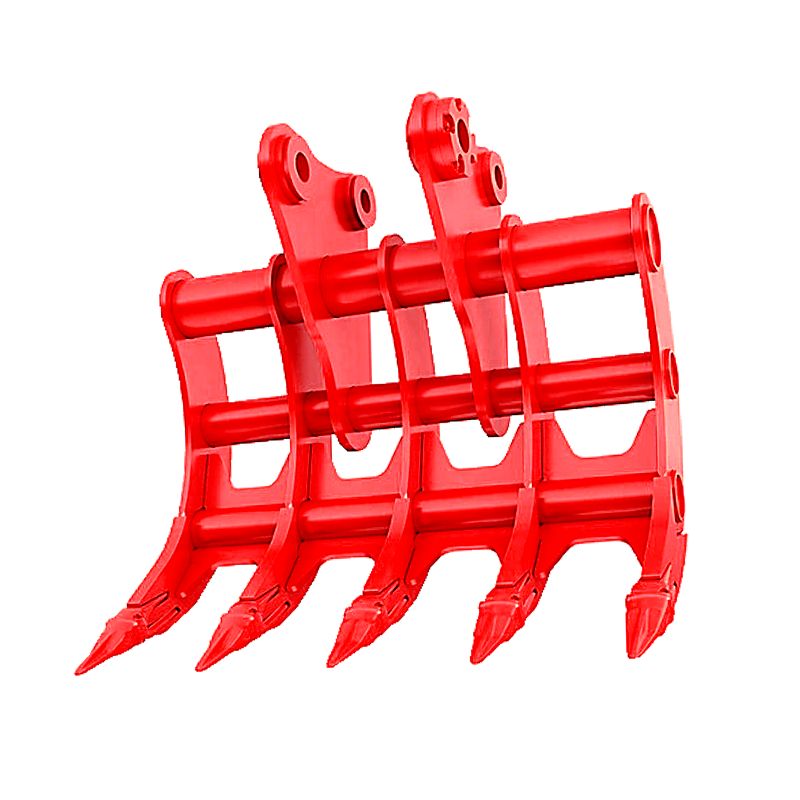
Selecting a hydraulic thumb attachment for excavator work starts with matching the attachment to the machine, material-handling task, mounting method, hydraulic standard, and required dimensions. This guide uses the confirmed Hydraulic Thumb Excavator Attachments product information to outline the checks buyers should make before requesting a quote or fitment confirmation.

Excavator or backhoe loader compatibility and fitment interface, including bucket teeth distance, main blade width, and mounting type
Handling application and material requirements, including stones, concrete debris, tree branches, loose materials, forestry, mining, construction, or demolition work
Hydraulic or mechanical operation and imperial or metric connection requirements
Required dimensions and customization, including thumb length, width, and tine spacing
Material and wear options, including Q355, Q690, NM400, and Hardox 450
A hydraulic thumb attachment for excavator work can add a grabbing and holding function to a bucket-equipped machine. The right choice depends less on a generic product label than on the excavator or backhoe loader, the materials to be handled, the mounting arrangement, and the hydraulic connection details.
1. Start with the machine and attachment interface
The product is compatible with various brands of excavators and backhoe loaders.
Check the following before selection:
- Excavator or backhoe loader application
- Required mounting type: weld-on, main pin, or progressive link
- Bucket teeth distance and main blade width
- Available hydraulic connection standard
- Whether the required connection uses imperial or metric units
The product information lists imperial and metric hydraulic standards as available. That supports a broader range of machine connection requirements, but the exact connection and dimensions still need to be matched to the buyer’s machine.
2. Match the thumb to the handling task
A thumb is relevant when the machine must pick, hold, and move awkward or loose materials in addition to digging. The confirmed applications include construction, forestry, mining, and demolition. Listed materials include stones, concrete debris, tree branches, and other loose materials.
For procurement, describe the actual load and work pattern rather than only saying that the attachment is for general material handling. For example, specify whether the primary task involves branches, rocks, concrete debris, or mixed loose materials. This helps determine whether the requested tine spacing, thumb width, and thumb length are suitable.
The product comes in hydraulic and mechanical operating types. For controlled movement, the hydraulic configuration, cylinder, pipes, and connection ports must match the excavator’s available system.
3. Confirm mounting and operating configuration
The product is offered in weld-on, main pin, and progressive link mounting types. These are different fitment paths, so the buyer should select the configuration that corresponds to the excavator’s bucket and linkage arrangement.
The listed standard kit includes the thumb body, hydraulic cylinder, mounting hardware, a weld-on bracket, three hardened pins, heavy-duty bolts and nuts, and hydraulic pipes with connection ports. Confirm the exact supply scope for the requested configuration before purchase, especially when the installation method is customized.
A mechanical type may suit a different installation requirement from a hydraulic type. Do not treat the two configurations as interchangeable without confirmation of the machine interface and operating requirements.
4. Check materials and wear requirements
The product information lists Q355, Q690, NM400, and Hardox 450 as material options. It also identifies NM400 and Hardox 450 as options for demanding wear environments. Buyers handling abrasive materials should ask which material is proposed for the thumb body and wear areas, rather than assuming that every configuration uses the same steel.
Material selection should be considered alongside the application. Forestry branches, concrete debris, stone, and demolition materials can create different wear and handling requirements. The attachment’s documented material options provide a basis for a specification discussion, but they do not replace a project-specific engineering review.
5. Specify dimensions instead of relying on a model name
Custom length and width are available, and the product information also identifies customized tine spacing and dimensions based on the bucket teeth distance and main blade width. These measurements are important for achieving the intended interlaced grip with the bucket.
Before requesting a final fitment recommendation, prepare:
- Machine make and model.
- Bucket dimensions and tooth spacing.
- Main blade width where relevant.
- Preferred thumb length and width, if already defined.
- Material types and typical handling tasks.
- Hydraulic connection standard and available ports.
- Preferred mounting type.
A supplier can then confirm whether the requested dimensions and mounting arrangement are applicable.
6. When this product is applicable
Hydraulic Thumb Excavator Attachments is applicable when the buyer needs a thumb attachment for an excavator or backhoe loader and the work involves picking, holding, or moving irregular materials. It is also a relevant option when the buyer needs a choice of weld-on, main pin, or progressive link mounting and requires customized width or length.
This recommendation does not apply as a confirmed fitment until the machine interface, dimensions, hydraulic connections, and mounting arrangement have been checked. The available material does not establish a price, delivery time, certification, or a specific machine model fitment.
Buyer’s final checklist
Before approving a hydraulic thumb attachment for excavator procurement, confirm:
- The machine is an excavator or backhoe loader and the fitment has been reviewed.
- The handling application and materials are clearly defined.
- The mounting type is selected: weld-on, main pin, or progressive link.
- Hydraulic or mechanical operation is specified.
- Imperial or metric connections are identified.
- Thumb length, width, tine spacing, bucket teeth distance, and main blade width are aligned.
- Steel and wear-material options are confirmed for the intended environment.
- The included cylinder, hardware, pipes, and connection ports match the requested configuration.
These checks narrow the selection to a configuration that can be reviewed against the buyer’s actual machine and worksite requirements.
THE PEOPLE

About the author
THE COMPANY
Xuzhou Crafts Machinery Equipment Co., Ltd.
Established in 2009, Xuzhou Crafts Machinery Equipment Co., Ltd. dedicated to manufacturing cost-effective excavator attachments, paver track pads, and road roller rubber buffers. After these years developing, now, we have two factories for different products. One is 10,000㎡ and specialized in producing excavator attachments and skid steer loader attachments; the other is 7,000㎡, manufacturing the asphalt paver rubber track pads and the road milling machine polyurethane pads, as well as rubber buffers of road…
YOUR NEXT STEP
Bring your brief. Start a useful conversation.
Use case, specification, quantity and delivery window: make the next conversation specific.
Post time: Oct-30-2026