- afrikaans
- albanian
- amharic
- arabic
- armenian
- assamese
- aymara
- azerbaijani
- bambara
- basque
- belarusian
- bengali
- bhojpuri
- bosnian
- bulgarian
- burmese
- catalan
- cebuano
- corsican
- creole
- croatian
- czech
- danish
- deutsch
- dhivehi
- dogrid
- dutch
- english
- estonian
- ewe
- filipino
- finnish
- french
- frisian
- galician
- georgian
- greek
- guarani
- gujarati
- haitian_creole
- hausa
- hawaiian
- hebrew
- hindi
- hungarian
- icelandic
- igbo
- indonesian
- irish
- italian
- japanese
- kannada
- khmer
- kinyarwanda
- korean
- kurdish
- kurdish_sorani
- kyrgyz
- lao
- latin
- latvian
- lithuanian
- luganda
- luxembourgish
- macedonian
- maithili
- malay
- malayalam
- maltese
- maori
- marathi
- nepali
- norwegian
- nyanja
- oromo
- pashto
- persian
- polish
- portuguese
- punjabi
- quechua
- romanian
- russian
- samoan
- sanskrit
- scottish_gaelic
- shona
- sindhi
- singapore
- slovak
- slovene
- somali
- spanish
- swahili
- swedish
- tajik
- tamil
- tatar
- telugu
- thai
- turkish
- turkmen
- twi
- ukrainian
- urdu
- vietnamese
- welsh
- yiddish
- yoruba
In the demanding world of heavy construction and earthmoving, the backhoe bucket stands as one of the most versatile tools in a contractor's arsenal. Whether it is precision trenching for utility lines or bulk material handling on a residential site, the efficiency of the operation depends entirely on the quality and fit of the bucket. Choosing the right attachment is not merely about capacity; it is about optimizing the hydraulic power of the machine to maximize productivity while minimizing wear and tear.
Globally, the infrastructure boom in developing urban centers has surged the demand for high-performance excavation tools. From the sprawling road networks of Southeast Asia to the intricate drainage systems of Western Europe, the backhoe bucket is the primary interface between the machine's power and the earth. The ability to switch between different bucket widths and styles allows operators to adapt to varying soil conditions, making it an indispensable asset for multi-purpose construction projects.
However, many operators struggle with premature wear and inefficient cycle times due to using generic attachments. The challenge lies in balancing durability with weight; a bucket that is too heavy reduces the machine's lifting capacity, while one that is too light fails prematurely under the stress of abrasive soils. Understanding the nuances of metallurgy, tooth geometry, and reinforced welding is essential for any professional looking to lower their total cost of ownership and increase onsite safety.
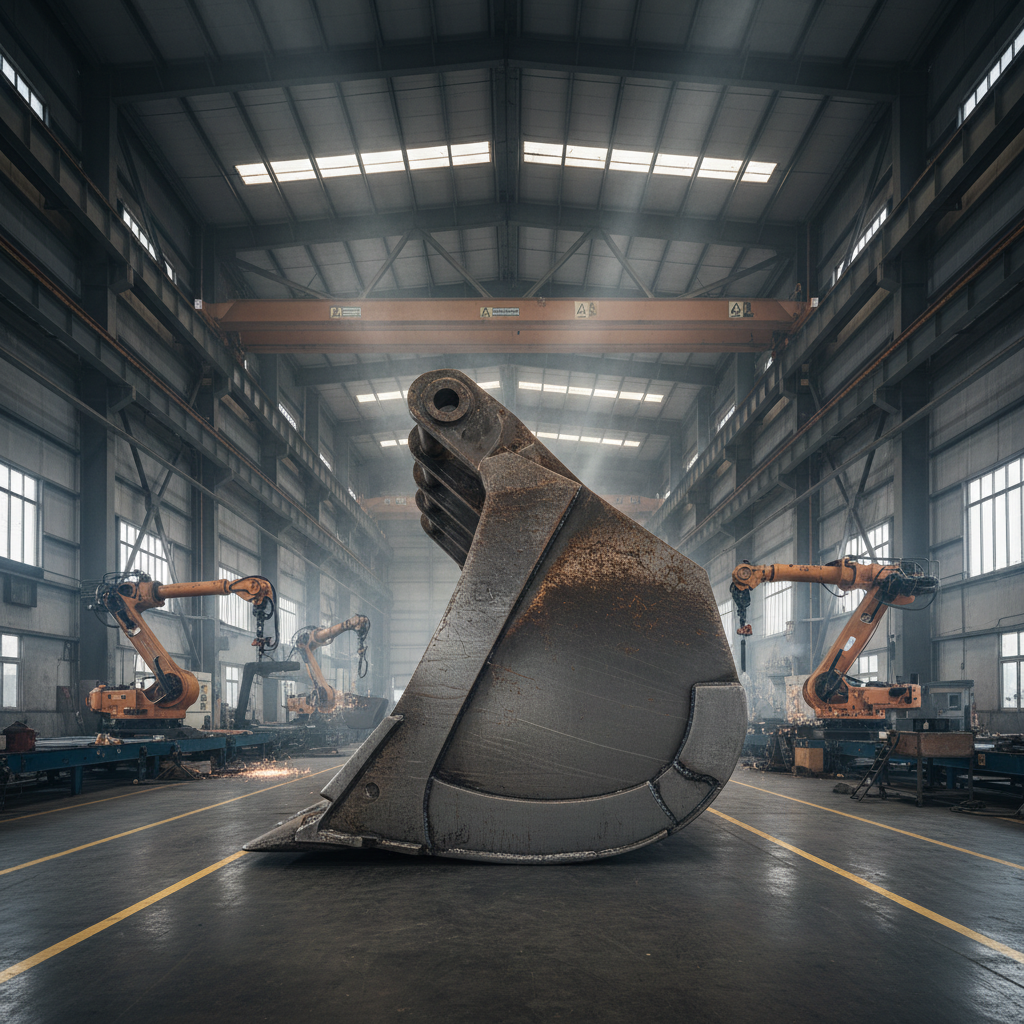
Global Relevance and Industrial Context
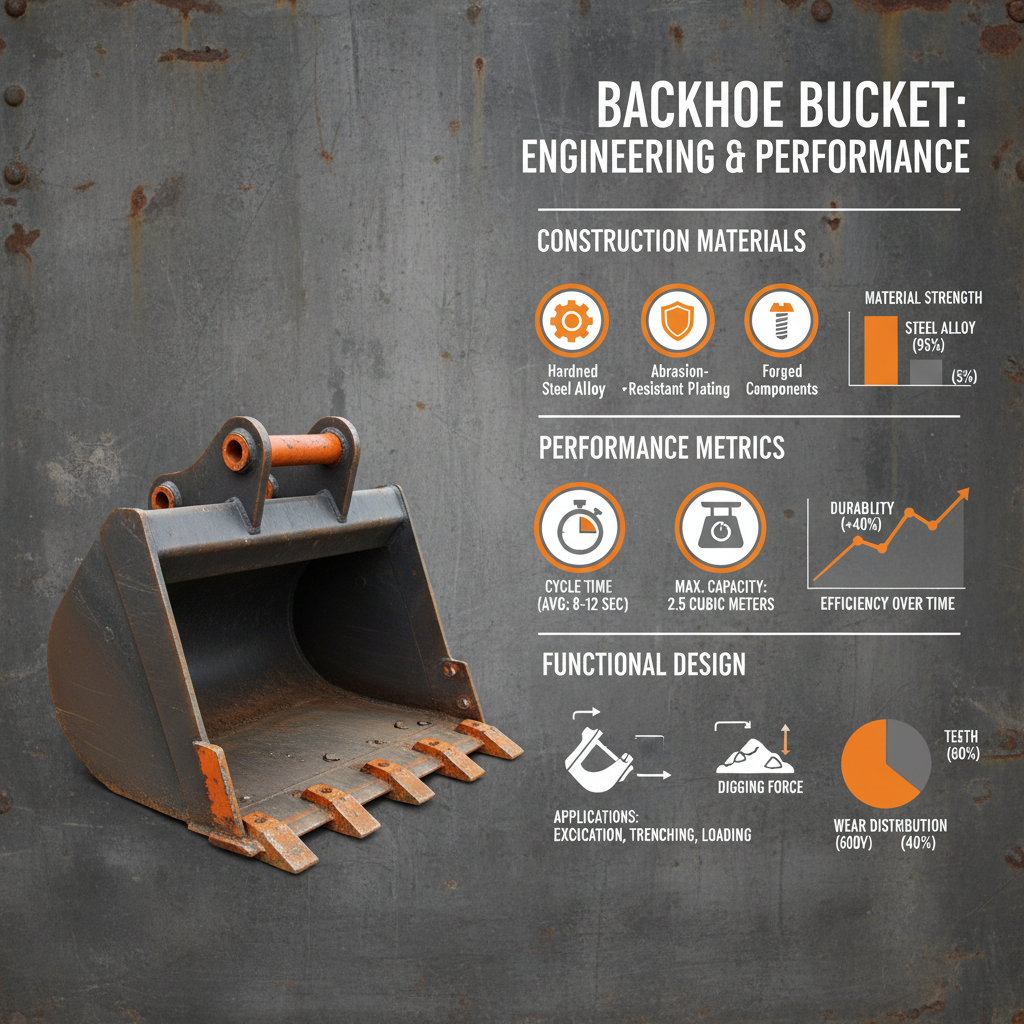
The global construction equipment market is currently navigating a transition toward higher precision and environmental sustainability. As ISO standards for machinery safety and efficiency evolve, the design of the backhoe bucket has shifted from simple steel shells to engineered tools. In regions experiencing rapid urbanization, the demand for specialized attachments that can handle diverse terrains—from sandy coasts to rocky highlands—has forced manufacturers to innovate in alloy composition and structural reinforcement.
Furthermore, the integration of these tools into larger infrastructure projects, such as those funded by the World Bank for rural connectivity, highlights the critical nature of reliability. A single failure of a bucket tooth or a cracked weld can halt an entire project timeline, leading to significant financial losses. This makes the selection of a high-grade, wear-resistant bucket a strategic decision rather than a simple procurement task, ensuring that projects are completed on time and within budget.
FAQS
The ideal width depends on your specific application. For utility trenching (water/electric), a narrow bucket (12-24 inches) is preferred to minimize soil displacement and backfill effort. For general grading or cleaning ditches, a wider bucket (30+ inches) is more efficient. Always ensure the width is compatible with your machine's hydraulic capacity to maintain optimal breakout force.
Key indicators include excessive wear on the cutting edge (rounded teeth), visible cracks in the welds near the heel or sides, and significant "slop" or movement at the pin connection points. If you notice a decrease in digging penetration or if the bucket is failing to hold a full load due to warping, it is time for a replacement or professional rebuild.
While generic buckets are cheaper, brand-specific or high-end engineered buckets often provide a better fit and superior metallurgy. A precise fit prevents pin wear, and higher-grade steel (like Hardox) significantly extends the lifespan. For heavy-duty commercial use, investing in an engineered bucket usually results in a lower total cost of ownership over the life of the machine.
The most effective way to extend bucket life is through regular maintenance of the G.E.T. (Ground Engaging Tools). Replace teeth as soon as they wear down to prevent the abrasion from reaching the main bucket lip. Additionally, avoid using the bucket to pry large boulders or push against immovable objects, which can cause structural fatigue and weld failure.
Most high-quality buckets are designed to be repairable. Wear plates can be welded onto the bottom and sides, and the cutting edge can be reinforced. As long as the main structural frame hasn't suffered a catastrophic twist or multiple deep fatigue cracks, professional hard-facing and welding can restore a bucket to near-original condition.
A digging bucket has a deep profile and sharp teeth designed to penetrate and lift soil. A grading bucket is wider, shallower, and typically has a straight cutting edge without teeth, designed to level the ground and spread material evenly. Using a digging bucket for grading is inefficient and can leave unwanted ridges in the soil.
Conclusion
In summary, the backhoe bucket is far more than a simple steel attachment; it is a precision-engineered component that dictates the productivity and profitability of any excavation project. From the selection of high-tensile alloys and boron steel teeth to the optimization of curvature for hydraulic efficiency, every detail contributes to the machine's ability to perform in the world's harshest environments. By focusing on durability, correct sizing, and proactive maintenance, operators can ensure maximum uptime and safety on the job site.
Looking forward, the integration of smart sensors and advanced materials will continue to push the boundaries of what is possible in earthmoving. As the industry trends toward automation and sustainability, the demand for high-performance, rebuildable attachments will only grow. We recommend that contractors prioritize quality over initial cost, as the long-term value of a premium bucket is realized in every cubic meter of soil moved. For industry-leading attachments and expert guidance, visit our website: www.crafts-mfg.com.