In the high-stakes world of heavy construction and excavation, efficiency is not just a preference—it is a requirement for profitability. A backhoe quick hitch serves as the critical interface between the machine's arm and its various tools, allowing operators to switch attachments in seconds rather than hours. By eliminating the need for manual pin removal and heavy lifting, this technology transforms a single machine into a versatile multi-tool capable of tackling diverse site challenges.
The global demand for infrastructure development, driven by urban expansion and the modernization of transport networks, has put immense pressure on equipment uptime. Traditional attachment changes are labor-intensive and fraught with safety risks, often leading to costly project delays. The integration of a high-performance backhoe quick hitch addresses these bottlenecks, enabling seamless transitions between buckets, breakers, and grapples, thereby maximizing the utilization rate of the primary carrier.
Beyond mere speed, the adoption of quick coupling systems represents a shift toward ergonomic and sustainable job site management. Reducing the physical strain on operators and minimizing the time a machine sits idle directly impacts the bottom line. Whether operating in the dense urban centers of Europe or the expansive mining zones of Australia, understanding the nuances of the backhoe quick hitch is essential for any fleet manager looking to optimize operational throughput and safety.

Global Industry Context of Backhoe Quick Hitch
The global construction machinery market is currently navigating a period of rapid technological evolution, where the "versatility-per-machine" ratio has become a key KPI. According to industry trends aligned with ISO standards for earth-moving machinery, the ability to rapidly pivot between tasks is no longer a luxury but a operational necessity. The backhoe quick hitch is at the center of this evolution, allowing a single unit to handle trenching, demolition, and material handling without returning to the workshop.
In emerging economies, where infrastructure projects often face volatile timelines and diverse soil conditions, the deployment of quick coupling systems has seen a significant uptick. By reducing the downtime associated with manual tool changes, contractors can maintain tighter schedules and reduce the total number of machines required on site. This not only lowers capital expenditure but also reduces the carbon footprint associated with transporting multiple specialized machines to remote locations.
Defining the Backhoe Quick Hitch Mechanism
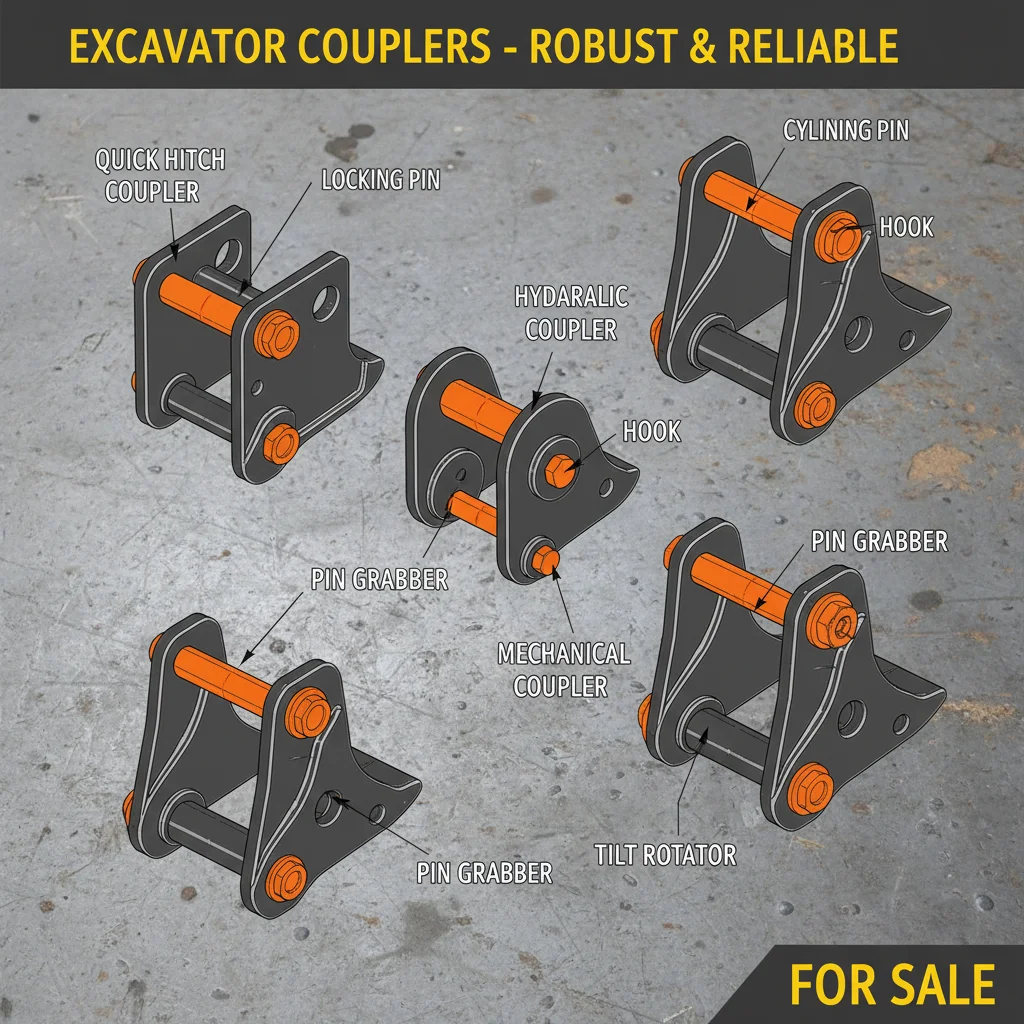
At its most fundamental level, a backhoe quick hitch is a specialized adapter fitted to the end of a backhoe's dipper arm. It acts as a universal locking interface that allows the operator to engage or disengage various attachments—such as buckets, rippers, or hydraulic hammers—using a locking pin or a hydraulic cylinder, all without leaving the comfort and safety of the operator's cabin.
This mechanism bridges the gap between rigid machine design and the fluid needs of a modern construction site. In an era where humanitarian aid and disaster relief require rapid deployment, the ability to switch from a digging bucket to a grapple for debris removal in under a minute can literally save lives. The "quick" aspect refers not just to the time saved, but to the reduction in mechanical complexity during the transition process.
Modern iterations of these hitches are categorized into mechanical and hydraulic types. Mechanical hitches rely on a manual locking pin or a lever, while hydraulic versions integrate directly into the machine's hydraulic circuit, providing a push-button solution. Both serve the primary goal of eliminating the hazardous process of hammering out seized pins and wrestling with heavy steel components in the mud.
Core Components and Engineering Factors
The durability of a backhoe quick hitch depends heavily on the grade of steel used in its construction. High-tensile, wear-resistant alloys are essential to withstand the immense shearing forces encountered during heavy excavation. Proper heat treatment ensures that the locking mechanism does not deform under load, which is critical for maintaining a secure connection between the arm and the tool.
Precision engineering of the locking tolerances is where a premium backhoe quick hitch separates itself from budget alternatives. Any "play" or looseness in the hitch can lead to decreased digging accuracy and accelerated wear on both the hitch and the attachment. Tight tolerances, combined with self-lubricating bushings, ensure a snug fit that preserves the machine's breakout force.
Scalability and compatibility are the final engineering pillars. A well-designed hitch must be compatible with a wide array of industry-standard attachments, from standard buckets to specialized rock buckets. This interoperability allows fleet managers to invest in a diverse library of tools knowing they will integrate seamlessly with their existing backhoe quick hitch systems.
Performance Metrics and Efficiency Analysis
When evaluating the impact of a backhoe quick hitch, the most prominent metric is the "Tool Change Cycle Time." In traditional setups, changing a bucket could take 30 to 60 minutes per tool, involving multiple personnel and heavy hand tools. With a quick hitch, this is reduced to under 60 seconds, representing a massive increase in hourly productivity.
Furthermore, the reduction in operator fatigue cannot be overstated. By removing the need to exit the cab and perform strenuous physical labor, operators remain focused and fresh, which directly correlates to a decrease in on-site accidents. The efficiency gain is not just about speed, but about the sustainable pacing of the workday.
Efficiency Comparison of Backhoe Quick Hitch Systems
Global Applications and Use Cases
In the realm of municipal maintenance, the backhoe quick hitch is indispensable. A single city crew can use one machine to dig a utility trench with a narrow bucket, clear away rubble with a grapple, and then switch to a breaker to remove old asphalt—all within a single shift. This agility reduces the number of vehicles on the road and minimizes traffic disruption in congested urban corridors.
In remote industrial zones, such as mining sites or forestry operations, the value of the backhoe quick hitch is amplified by the high cost of downtime. In these environments, where the nearest repair shop may be hours away, the ability to quickly swap a worn-out bucket for a fresh one without needing a specialized support crew ensures that production targets are met despite the harsh conditions.
Long-Term Value and Safety Advantages
The logical argument for investing in a high-quality backhoe quick hitch is centered on the Total Cost of Ownership (TCO). While the initial investment is higher than traditional pinning, the savings in labor hours and the prevention of "idle machine time" typically lead to a return on investment (ROI) within the first few months of heavy use.
From a safety perspective, the quick hitch eliminates one of the most dangerous tasks in excavation: the manual handling of heavy pins. Pin-related injuries, including crushed fingers and back strains, are common in traditional setups. By allowing the operator to remain in the cab, the backhoe quick hitch virtually eliminates this specific risk category, fostering a culture of safety and professionalism.
Beyond the technical, there is an emotional value in reliability. When an operator trusts their equipment to lock securely and release smoothly, their confidence in the machine grows. This trust translates to better precision in the field, higher quality work, and a more satisfied workforce that feels the company is investing in the best tools for the job.
Future Trends in Quick Coupling Technology
The future of the backhoe quick hitch is inextricably linked to the broader trend of digitalization in construction. We are seeing the emergence of "smart hitches" equipped with sensors that can detect if an attachment is fully locked or if there is an abnormal amount of wear in the coupling. This predictive maintenance capability will allow fleet managers to replace components before a failure occurs on site.
Furthermore, the push toward green energy is influencing material science. New, lighter-weight high-strength alloys are being developed to reduce the dead weight of the hitch, thereby lowering the fuel consumption of the backhoe. As machines move toward electric and hybrid powertrains, maximizing every kilowatt of energy means reducing unnecessary weight wherever possible, including the attachment interface.
Automation is the final frontier. Integrated software is beginning to allow machines to automatically recognize which tool is attached via an RFID chip in the backhoe quick hitch, automatically adjusting the hydraulic flow and pressure settings to optimize the tool's performance. This removes the guesswork for the operator and ensures the tool is always used within its optimal parameters.
Analysis of Backhoe Quick Hitch Performance Across Different Environments
| Environment Type | Wear Rate (1-10) | Efficiency Gain | Maintenance Need |
|---|
| Urban Construction | 3 | Very High | Low |
| Rock Quarrying | 9 | High | Very High |
| Road Maintenance | 4 | Extreme | Medium |
| Agriculture/Landscaping | 2 | Medium | Low |
| Demolition Sites | 7 | High | High |
| Wetland/Amphibious | 6 | Medium | High (Corrosion) |
FAQS
A mechanical quick hitch requires the operator to manually engage a locking pin or lever, which may involve stepping out of the cab. A hydraulic quick hitch is integrated into the machine's hydraulic system, allowing the operator to lock and unlock attachments via a button or joystick from inside the cab. While hydraulic systems are faster and safer, mechanical hitches are often more affordable and require less complex installation.
If designed correctly, a high-quality quick hitch has a negligible effect on breakout force. However, low-quality hitches with excessive "play" or poor geometry can cause a slight loss of efficiency. To avoid this, ensure you use a hitch engineered specifically for your machine's tonnage and that you maintain tight tolerances through regular inspection and lubrication.
Given the high-stress nature of excavation, we recommend a visual inspection daily and a detailed measurement of tolerances weekly. Look for signs of metal fatigue, cracks in the weldments, and excessive wear on the locking pins. Regular greasing of the pivot points is essential to prevent premature wear and ensure the locking mechanism operates smoothly.
Yes, many quick hitches are designed as "universal" adapters. However, the attachment itself must have the corresponding adapter plate welded to it. Most major manufacturers follow similar standards, but it is always best to verify the pin diameter and spacing to ensure a secure fit and prevent dangerous detachment during operation.
The primary risk is the accidental release of an attachment. To mitigate this, professional systems include secondary safety locks or audible/visual indicators to confirm the tool is secured. Operators should always perform a "tug test" after attaching a tool to ensure it is locked before beginning work.
ROI is improved by drastically reducing downtime. By cutting tool-change time from an hour to a minute, you increase the billable hours of your machine. Additionally, it allows you to bid on a wider variety of jobs without needing to purchase additional specialized machines, effectively increasing the revenue potential of each unit in your fleet.
Conclusion
The implementation of a backhoe quick hitch represents a critical leap in operational efficiency, bridging the gap between raw power and versatile precision. By analyzing the industry context, engineering requirements, and real-world applications, it is clear that the transition from manual pinning to quick coupling is an investment in both productivity and personnel safety. The ability to rapidly adapt to site conditions not only streamlines the workflow but also maximizes the economic value of the equipment.
Looking forward, the integration of smart sensors and sustainable materials will continue to refine the role of the quick hitch in the construction ecosystem. For fleet managers and operators, the recommendation is clear: prioritize high-tolerance, durable coupling systems to stay competitive in an increasingly demanding market. To discover the perfect fit for your machinery and enhance your job site performance, visit our website: www.crafts-mfg.com.