Mastering Mini Excavator Track Tension for Peak Performance
Maintaining the correct mini excavator track tension is one of the most critical yet overlooked aspects of heavy machinery maintenance. Whether you are operating in muddy construction sites or rocky terrains, the tension of your tracks directly impacts the machine's stability, fuel efficiency, and the lifespan of your undercarriage components. An improperly adjusted track can lead to premature wear, costly downtime, and safety hazards. In this comprehensive guide, we will explore how to identify the perfect tension, the risks of over-tightening, and professional tips to keep your equipment running smoothly.

Why Precise Mini Excavator Track Tension Matters
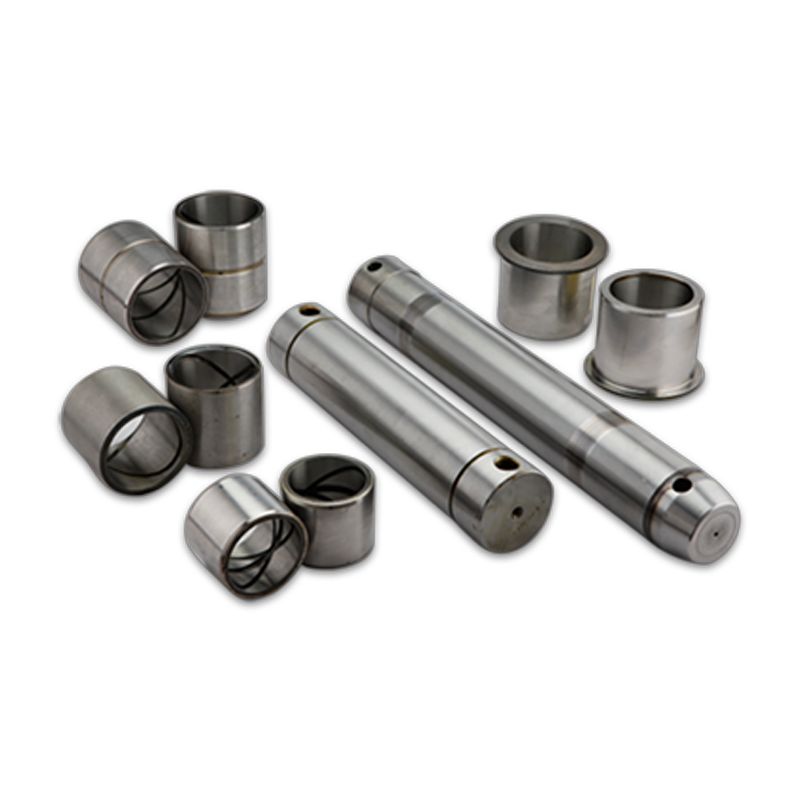
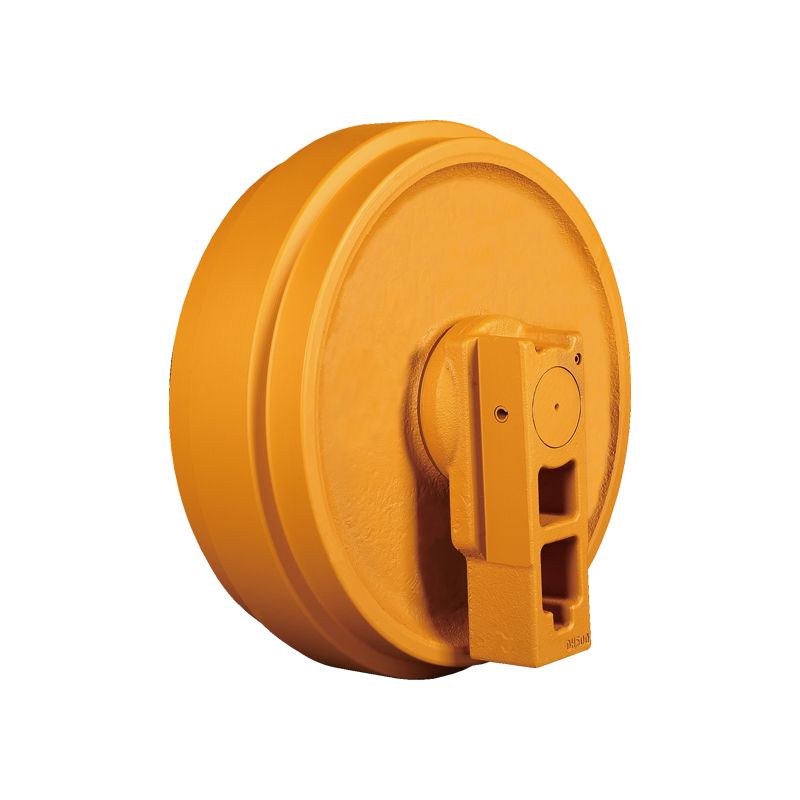
The undercarriage is the most expensive part of a mini excavator to replace. When the mini excavator track tension is correctly balanced, the load is distributed evenly across the rollers, idlers, and sprockets. Under-tensioned tracks are prone to "throwing a track," where the chain slips off the guides, causing immediate work stoppage. Conversely, over-tensioned tracks create excessive friction, putting immense pressure on the bearings and seals, which accelerates the wear of the pins and bushings.
Pro Tip: Always check your track tension at the beginning of every shift, especially after operating in deep mud or sandy soil, as debris can build up and artificially tighten the track.
How to Check Your Mini Excavator Track Tension Correctly
Checking the tension is a straightforward process, but accuracy is key. First, operate the machine forward and backward a few times to settle the tracks. Then, lift the machine slightly using the boom or a jack so that the track hangs freely. Measure the sag—the distance between the bottom of the track frame and the top of the track shoe at the midpoint between the idler and the first roller. If the sag is too great, you need to engage the grease valve; if there is no sag, the track is too tight. Proper mini excavator track tension ensures that the machine handles predictably on uneven slopes.
Comparing Tension Levels: Loose vs. Tight vs. Ideal
Understanding the visual and mechanical differences between tension states can help operators make quick adjustments in the field. While manufacturers provide specific measurements, knowing the "behavior" of the track is equally important. Using high-quality components from Crafts-mfg ensures that the tensioning system responds accurately to adjustments.
Step-by-Step Adjustment of Mini Excavator Track Tension
Adjusting the mini excavator track tension is typically done using a grease gun. Most modern mini excavators use a hydraulic tensioner. To tighten the track, inject high-quality grease into the tensioning valve; this pushes the idler cylinder forward, removing the slack. To loosen the track, slowly turn the valve counter-clockwise to release the grease. Warning: Be extremely careful when releasing grease, as it is under high pressure. Always wear safety goggles and gloves during this process to avoid injury.

Technical Specifications for Track Maintenance
Different machines require different tension specifications depending on their weight class and the type of tracks (rubber vs. steel). While you should always consult your specific operator's manual, the following table provides general industry benchmarks for maintaining mini excavator track tension across various machine sizes.
Common Mistakes When Adjusting Track Tension
One of the most frequent errors operators make is over-tightening the tracks in an attempt to prevent them from slipping. While a tight track feels "secure," it actually creates a massive amount of internal stress. This stress leads to stretching of the chain, which ironically makes the track loosen faster over time. Another common mistake is failing to clean the undercarriage before checking the mini excavator track tension. Packed mud can fill the gaps and hide a dangerous amount of slack, leading to unexpected de-tracking once the mud washes away during operation.
Conclusion: Long-Term Value Through Proper Maintenance
Consistency is the secret to undercarriage longevity. By prioritizing the correct mini excavator track tension, you are not just preventing immediate breakdowns but are significantly reducing the total cost of ownership of your machinery. Remember that the balance between "too loose" and "too tight" is where efficiency lives. For high-quality replacement parts and expert guidance on undercarriage maintenance, trust the professionals at Crafts-mfg to keep your project moving forward without interruption.
Frequently Asked Questions (FAQs)
How often should I check the mini excavator track tension?
Ideally, you should perform a visual check of the track tension every day before starting work. A more detailed measurement using the sag method should be conducted every 50 to 100 operating hours. However, if you are working in extreme conditions—such as highly abrasive sandy soil or thick, sticky clay—you should check the tension more frequently. Debris buildup can either artificially tighten the track or cause it to wear down faster, making frequent checks essential to prevent premature component failure.
What happens if I over-tighten my tracks?
Over-tightening creates excessive tension on the pins, bushings, and sprocket teeth. This results in increased friction, which generates heat and wears down the metal surfaces much faster than normal. It also puts significant stress on the idler bearings and the hydraulic seals of the tensioner, which can lead to leaks. Most importantly, an over-tightened track increases the resistance the engine must overcome to move the machine, leading to higher fuel consumption and reduced overall efficiency.
Can I use any grease for the track tensioner?
While many types of grease exist, it is highly recommended to use a high-quality Lithium EP2 (Extreme Pressure) grease or a Moly-fortified grease as specified by your manufacturer. The tensioner operates under extreme pressure and is exposed to moisture and dirt. Using a low-grade lubricant can lead to the grease breaking down or washing away, causing the tensioner to fail or the idler to seize. Always check your manual for the specific grade required for your climate and application.
Why does my track keep loosening even after adjustment?
If your tracks loosen rapidly after adjustment, it could be due to several reasons. First, new tracks often have a "break-in" period where they stretch slightly. Second, you may have a leaking tensioner seal that is allowing grease to escape. Third, extreme wear on the bushings and pins can create permanent slack in the chain. If the tension continues to drop despite adding grease, we recommend visiting the Crafts-mfg website to find high-durability replacement undercarriage parts.
Post time: Jun-11-2026