0%

Table of Contents

In the demanding world of urban construction and infrastructure development, the backhoe jack hammer has emerged as an indispensable tool for breaking through reinforced concrete and hard rock. By integrating the raw power of a hydraulic breaker with the versatility of a backhoe loader, operators can transition from digging to demolition in a matter of minutes, significantly reducing project timelines.

Understanding the operational nuances of a backhoe jack hammer is critical for any fleet manager or site supervisor aiming to maximize efficiency while minimizing equipment wear. As global urbanization accelerates, the need for precise, high-impact demolition tools becomes more pressing, making the selection of the right attachment a strategic decision for profitability.

Whether utilized in road repair, trenching, or large-scale demolition, the backhoe jack hammer offers a level of productivity that manual labor simply cannot match. This guide explores the technical specifications, global applications, and future innovations surrounding this powerful attachment to help you optimize your heavy machinery investment.
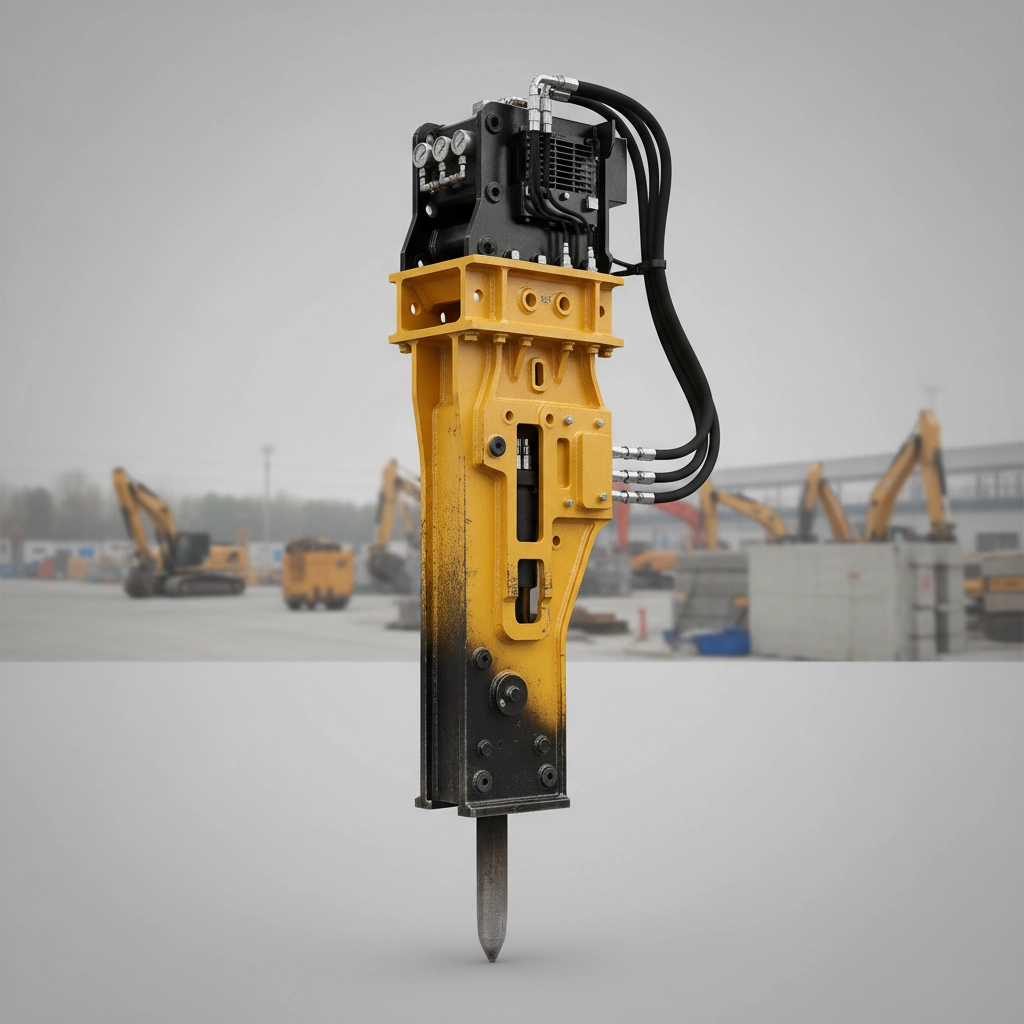
backhoe jack hammer

Global Relevance and Industry Context of Backhoe Jack Hammers
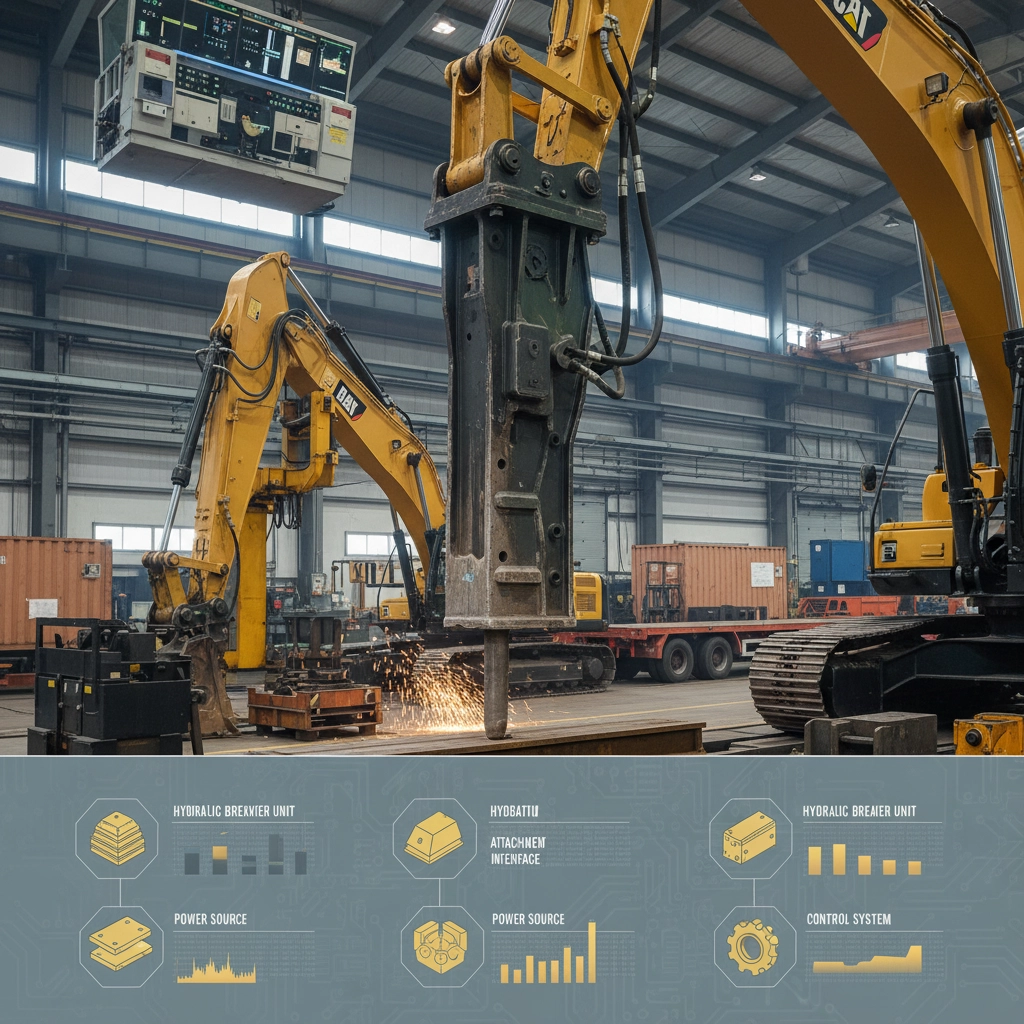
backhoe jack hammer

On a global scale, the demand for efficient demolition equipment is tied directly to the growth of the construction sector. According to industry trends aligned with ISO standards for earth-moving machinery, the integration of specialized attachments like the backhoe jack hammer has reduced the reliance on cumbersome, dedicated demolition rigs in smaller urban projects.

The primary challenge addressed by this technology is the "bottleneck" effect encountered when a project requires both excavation and breaking. Traditionally, contractors had to hire two separate machines; however, the backhoe jack hammer allows a single operator to handle both tasks, drastically lowering mobilization costs and site congestion.

Defining the Backhoe Jack Hammer in Modern Construction

In simple terms, a backhoe jack hammer is a hydraulic breaker attachment designed specifically for the boom of a backhoe loader. Unlike handheld pneumatic hammers, this tool leverages the massive hydraulic pressure of the carrier machine to deliver high-frequency, high-energy impacts to the tool bit, allowing it to shatter the toughest materials.

In the context of modern industry, this tool is more than just a "breaker"; it is a productivity multiplier. From creating foundations in rocky soil to removing old asphalt for road resurfacing, it bridges the gap between heavy-duty industrial demolition and agile, site-specific construction needs.

Furthermore, its connection to humanitarian and civil needs is evident in post-disaster recovery. When roads are blocked by collapsed concrete structures, the rapid deployment of a backhoe equipped with a jack hammer is often the fastest way to clear emergency access routes for aid and rescue teams.

Core Components and Engineering Factors

Durability is the cornerstone of any high-quality backhoe jack hammer. The housing is typically constructed from high-tensile alloy steel, treated to withstand the immense reciprocal forces generated during operation, ensuring the tool doesn't crack under the pressure of high-PSI hydraulic flow.

The piston and tool bit (the chisel) are the most critical wear components. A professional-grade backhoe jack hammer utilizes heat-treated steel that balances hardness with toughness, preventing premature blunting while ensuring the bit doesn't shatter when striking reinforced steel bars within concrete.

Cost efficiency in the long run is achieved through modular design. By allowing easy access to the seal kits and diaphragms, manufacturers ensure that a backhoe jack hammer can be serviced in the field, reducing downtime and extending the overall lifecycle of the attachment from a few years to a decade of service.

Performance Analysis and Operational Efficiency

When analyzing the operational output of a backhoe jack hammer, the primary metrics are blow frequency (BPM) and impact energy (Joules). A higher BPM is ideal for softer materials like limestone, while higher impact energy is required for reinforced concrete.

To maximize efficiency, operators must match the breaker's flow requirements with the backhoe's hydraulic output. Over-pressurizing the system can lead to seal failure, while under-pressurizing results in sluggish performance and increased wear on the machine's pump.

Comparative Efficiency of Backhoe Jack Hammer Models

Global Applications and Real-World Use Cases

In remote industrial zones, such as mining sites in Australia or construction hubs in the Middle East, the backhoe jack hammer is frequently used for trenching through hard rock to lay utility pipelines. Its ability to operate in confined spaces where larger excavators cannot reach makes it the preferred choice for utility maintenance.

Another critical application is found in urban roadworks across Europe and North America. When replacing aging water mains or upgrading electrical grids, contractors use the backhoe jack hammer to remove concrete slabs quickly, minimizing the duration of road closures and reducing the social impact of construction noise and traffic.

Long-Term Value and Economic Advantages

The investment in a high-quality backhoe jack hammer yields significant tangible benefits. By consolidating two machines into one, companies save on fuel, transport, and operator wages. Moreover, the increased speed of demolition directly correlates to faster project handover and improved cash flow.

From a safety perspective, using a machine-mounted breaker eliminates the risk of Hand-Arm Vibration Syndrome (HAVS) associated with handheld jack hammers. This shift not only protects the worker's health and dignity but also reduces the employer's liability and insurance premiums over time.

The reliability of a well-maintained breaker fosters trust between the contractor and the client. When a project is completed on schedule because the equipment didn't fail during a critical phase, it enhances the company's reputation for innovation and dependability in a competitive market.

Future Trends and Technological Innovations

The future of the backhoe jack hammer is leaning heavily toward "intelligent" hydraulics. We are seeing the introduction of auto-tuning valves that adjust the impact power based on the resistance of the material, which prevents "blank firing" and reduces the stress on the backhoe's boom.

Sustainability is also driving innovation. New materials, such as advanced ceramics and noise-dampening polymers, are being integrated into the housing to reduce the acoustic footprint of demolition work, making it more acceptable for nighttime operations in residential zones.

Additionally, the digital transformation of heavy machinery is bringing telematics to the breaker. Future models will likely feature sensors that alert the operator to wear levels in real-time, transitioning maintenance from a reactive "fix-it-when-it-breaks" model to a predictive, data-driven approach.

Comparison of Backhoe Jack Hammer Technical Specifications by Application

Application Type Recommended Bit Type Impact Energy (kJ) Wear Rate (Low-High)
Urban Road Repair Moil Point 1.5 - 2.5 Medium
Reinforced Concrete Chisel 3.0 - 5.0 High
Trenching in Rock Conical Point 4.0 - 6.0 Very High
Demolition of Walls Flat Chisel 2.0 - 3.5 Medium
Light Soil Hardpan Moil Point 1.0 - 2.0 Low
Mining Secondary Breaking Heavy Duty Point 5.0 - 8.0 Extreme

FAQS

How do I choose the right size backhoe jack hammer for my machine?

The selection depends primarily on the hydraulic flow (GPM) and pressure (PSI) of your backhoe's auxiliary system. You must ensure the breaker's requirements match the machine's capacity; otherwise, you risk overheating the hydraulic oil or causing premature pump failure. Always check the manufacturer's compatibility chart before purchasing.

How often should the tool bit be replaced?

Replacement intervals vary based on the material being broken. In soft concrete, a bit may last several weeks; in hard granite, it may wear down in days. We recommend inspecting the bit daily for "mushrooming" or blunting. A dull bit increases the vibration transmitted to the boom, which can cause structural damage to the backhoe.

Can I use a backhoe jack hammer on reinforced steel?

Yes, but it is not designed for cutting steel. The jack hammer is intended to fracture the concrete surrounding the steel. Once the concrete is broken, the steel should be cut with a torch or shear. Trying to "break" through thick steel bars will result in rapid tool wear and potential breakage of the chisel.

What is "blank firing" and why is it dangerous?

Blank firing occurs when the hammer triggers without the tool bit being pressed firmly against the work surface. This causes the internal piston to strike the housing instead of the bit, leading to severe internal damage, broken seals, and potential cracks in the cylinder. Modern intelligent breakers have "anti-blank fire" valves to prevent this.

Do I need special hydraulic oil for the breaker?

While most breakers use the carrier's standard hydraulic oil, it is crucial that the oil is clean and free of contaminants. We strongly recommend installing an auxiliary filter on the breaker circuit to prevent small metal shards or dust from damaging the high-precision valves inside the jack hammer.

Is a backhoe jack hammer better than a dedicated excavator breaker?

It depends on the scale of the project. For massive demolition, a dedicated excavator breaker is superior. However, for urban maintenance, utility work, and smaller sites, the backhoe jack hammer is vastly more cost-effective due to the versatility of the carrier machine and the ease of transport.

Conclusion

The backhoe jack hammer represents the perfect synergy of power and versatility, transforming a standard backhoe loader into a comprehensive demolition tool. By focusing on durability, matching technical specifications to machine capacity, and adhering to a strict maintenance schedule, operators can achieve unprecedented efficiency in breaking through the toughest urban and industrial terrains.

Looking forward, the integration of smart hydraulics and sustainable materials will further refine the performance of these tools, making demolition quieter and more precise. For contractors seeking to stay competitive, investing in a high-performance breaker is not just an equipment upgrade—it is a strategic move toward operational excellence. Visit our website for more professional solutions: www.crafts-mfg.com

Kevin Davis

Kevin Davis

Kevin Davis is the Supply Chain Manager for North America at Xuzhou Crafts Machinery Equipment Co., Ltd. He oversees the logistics and distribution network, ensuring timely delivery of parts and attachments to customers across the US and Canada. Kevin’s expertise lies in optimizing the supply chain process, from sourcing materials to managing inventory. He’s instrumental in coordinating with our alliance of Chinese factories to provide a wide range of spare parts for road pavement construction machines. Kevin has over 10 years of experience in supply chain management within the manufacturing industry and is dedicated to efficiency and cost-effectiveness.
Previous Efficient Demolition Using Backhoe Hydraulic Breaker Tools

If you are interested in our products, you can choose to leave your information here, and we will be in touch with you shortly.

  • captcha