- afrikaans
- albanian
- amharic
- arabic
- armenian
- assamese
- aymara
- azerbaijani
- bambara
- basque
- belarusian
- bengali
- bhojpuri
- bosnian
- bulgarian
- burmese
- catalan
- cebuano
- corsican
- creole
- croatian
- czech
- danish
- deutsch
- dhivehi
- dogrid
- dutch
- english
- estonian
- ewe
- filipino
- finnish
- french
- frisian
- galician
- georgian
- greek
- guarani
- gujarati
- haitian_creole
- hausa
- hawaiian
- hebrew
- hindi
- hungarian
- icelandic
- igbo
- indonesian
- irish
- italian
- japanese
- kannada
- khmer
- kinyarwanda
- korean
- kurdish
- kurdish_sorani
- kyrgyz
- lao
- latin
- latvian
- lithuanian
- luganda
- luxembourgish
- macedonian
- maithili
- malay
- malayalam
- maltese
- maori
- marathi
- nepali
- norwegian
- nyanja
- oromo
- pashto
- persian
- polish
- portuguese
- punjabi
- quechua
- romanian
- russian
- samoan
- sanskrit
- scottish_gaelic
- shona
- sindhi
- singapore
- slovak
- slovene
- somali
- spanish
- swahili
- swedish
- tajik
- tamil
- tatar
- telugu
- thai
- turkish
- turkmen
- twi
- ukrainian
- urdu
- vietnamese
- welsh
- yiddish
- yoruba
In the demanding world of heavy construction and earthmoving, the backhoe dozer blade serves as the primary interface between the machine's raw power and the stubbornness of the terrain. This critical component is not merely a piece of curved steel; it is a precision-engineered tool designed to push, grade, and level materials with surgical accuracy, ensuring that the foundation of every infrastructure project is perfectly set.
From urban road maintenance to massive highway expansions, the efficiency of a project often hinges on the durability and design of the dozer blade. A high-performance blade reduces the number of passes required to move debris, directly lowering fuel consumption and operator fatigue. In an era where project timelines are tightening and operational costs are rising, optimizing the wear-life and geometry of these attachments is essential for maintaining profitability.
Understanding the technical nuances of the backhoe dozer blade—from the grade of boron steel used to the angle of the cutting edge—allows fleet managers to maximize their machine's uptime. By focusing on E-E-A-T (Experience, Expertise, Authoritativeness, and Trustworthiness) in equipment selection, operators can transition from reactive replacements to a proactive maintenance strategy, ensuring that their machinery remains an asset rather than a liability.
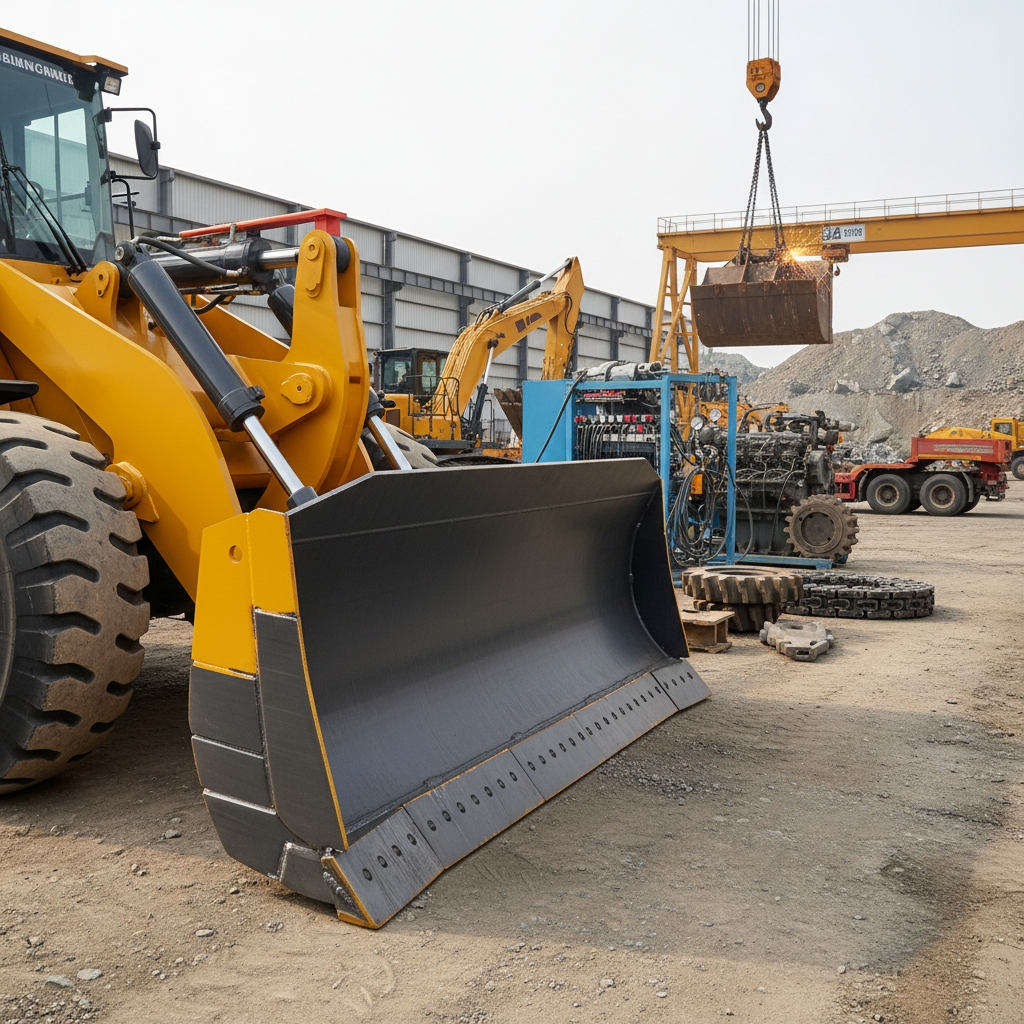
The Global Industrial Relevance of Backhoe Dozer Blades
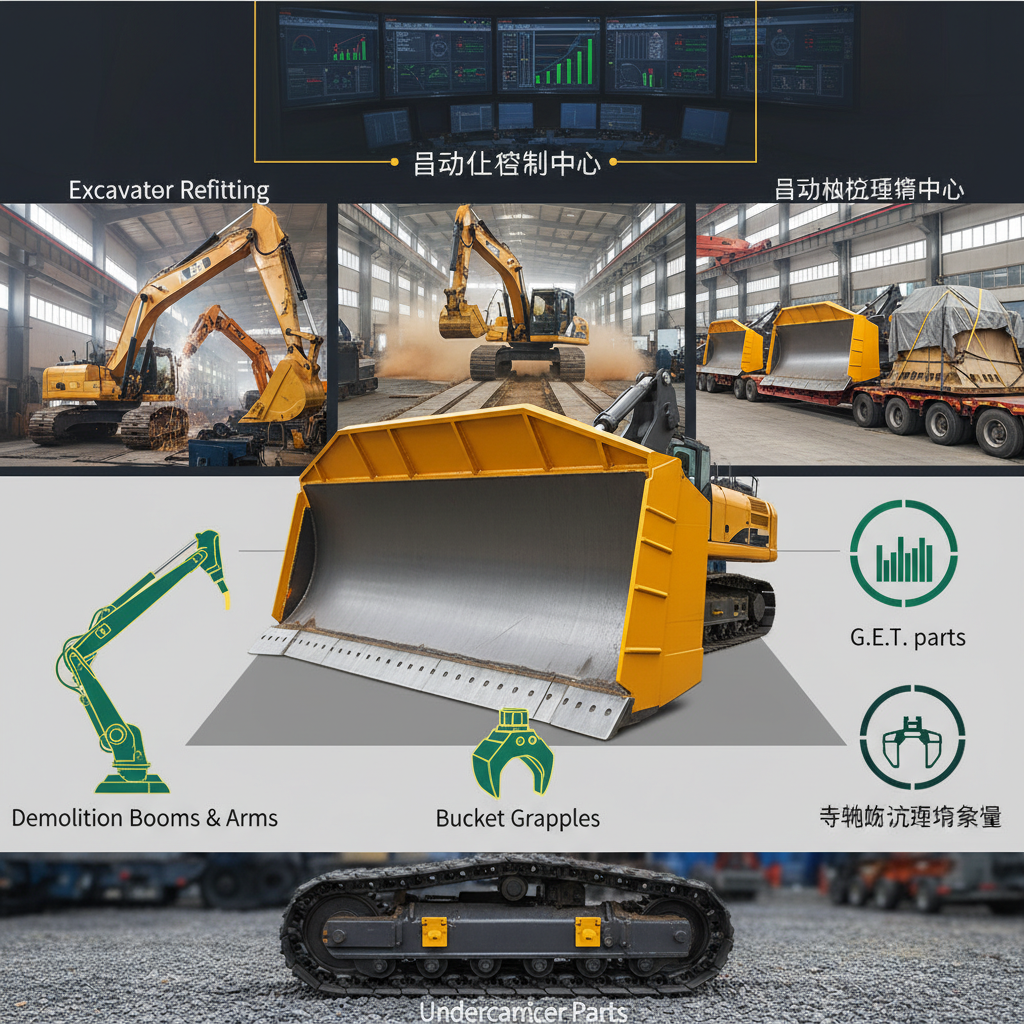
On a global scale, the reliance on the backhoe dozer blade is inextricably linked to the pace of urbanization and infrastructure development. According to data trends aligned with ISO standards for earth-moving machinery, the demand for versatile attachments has surged as developing nations invest heavily in "smart cities" and resilient transport networks. The dozer blade is the unsung hero of these projects, performing the critical initial stage of site preparation.
The primary challenge facing the industry today is the variance in soil compositions across different continents—from the abrasive sands of the Middle East to the heavy clays of Southeast Asia. A "one size fits all" approach to blade design often leads to premature failure, increasing the carbon footprint of the project due to frequent replacements and shipping. This has created a global shift toward specialized, high-carbon alloy blades that can withstand specific regional geological pressures.
FAQS
Replacement frequency depends on the material you are pushing. In soft soil, a cutting edge may last several hundred hours. However, in abrasive rocky terrain, you should inspect it weekly. A general rule is to replace the edge once it has worn down to 50% of its original thickness to prevent the main moldboard from taking direct impact, which would lead to a much more expensive repair.
Yes, significantly. Boron steel is heat-treated to achieve a higher Rockwell hardness without becoming brittle. This means it can withstand the high-impact forces of earthmoving while resisting the "scrubbing" action of sand and gravel. For any professional operation, Boron or AR steel is recommended to reduce downtime and maximize the lifespan of the attachment.
While possible, it is generally discouraged unless performed by a certified specialist. Welding on high-strength alloys can create "brittle zones" due to the heat-affected zone (HAZ). If the weld is not properly penetrated and cooled, the extension can snap under load, potentially causing injury or damage to the machine's hydraulic system. It is always safer to purchase a blade designed for your specific width needs.
Hard-facing is the process of welding a layer of wear-resistant material (like chromium carbide) onto the surface of the blade. You need this if you are working in extremely abrasive conditions, such as mining, quarrying, or demolition. It acts as a sacrificial shield, extending the life of the base metal and reducing the frequency of full blade replacements.
The easiest way to detect warping is to perform a "flatness test" on a level concrete surface. If the blade does not leave an even streak of material across its entire width, or if the machine "pulls" to one side during a push, the blade is likely warped. This usually happens due to hitting a large stationary object (like a boulder) at high speed.
Absolutely. For heavy, wet clay, a more concave blade is preferred to keep the material centered. For snow removal or light grading of sand, a flatter, wider blade is more effective. Choosing the correct geometry for your primary environment can improve fuel efficiency and reduce the physical strain on the machine's hydraulic cylinders.
Conclusion
The backhoe dozer blade is far more than a simple attachment; it is a critical engineering component that dictates the efficiency, safety, and profitability of earthmoving operations. By focusing on high-grade materials like Boron steel, implementing modular wear edges, and adopting proactive maintenance strategies such as hard-facing, operators can ensure their equipment withstands the most grueling global environments.
Looking forward, the integration of smart sensors and sustainable alloys will redefine the standards of the industry, moving us toward a future of zero-unplanned-downtime. Whether you are managing a small municipal fleet or a large-scale international construction project, investing in quality blades is the most effective way to guarantee long-term operational success. For high-performance solutions, visit our website: www.crafts-mfg.com
Related Posts