- afrikaans
- albanian
- amharic
- arabic
- armenian
- assamese
- aymara
- azerbaijani
- bambara
- basque
- belarusian
- bengali
- bhojpuri
- bosnian
- bulgarian
- burmese
- catalan
- cebuano
- corsican
- creole
- croatian
- czech
- danish
- deutsch
- dhivehi
- dogrid
- dutch
- english
- estonian
- ewe
- filipino
- finnish
- french
- frisian
- galician
- georgian
- greek
- guarani
- gujarati
- haitian_creole
- hausa
- hawaiian
- hebrew
- hindi
- hungarian
- icelandic
- igbo
- indonesian
- irish
- italian
- japanese
- kannada
- khmer
- kinyarwanda
- korean
- kurdish
- kurdish_sorani
- kyrgyz
- lao
- latin
- latvian
- lithuanian
- luganda
- luxembourgish
- macedonian
- maithili
- malay
- malayalam
- maltese
- maori
- marathi
- nepali
- norwegian
- nyanja
- oromo
- pashto
- persian
- polish
- portuguese
- punjabi
- quechua
- romanian
- russian
- samoan
- sanskrit
- scottish_gaelic
- shona
- sindhi
- singapore
- slovak
- slovene
- somali
- spanish
- swahili
- swedish
- tajik
- tamil
- tatar
- telugu
- thai
- turkish
- turkmen
- twi
- ukrainian
- urdu
- vietnamese
- welsh
- yiddish
- yoruba
In the modern construction and agricultural landscape, the versatility of machinery is the primary driver of operational efficiency. The integration of a backhoe attachment for telehandler transforms a standard telescopic handler from a simple lifting tool into a multi-functional excavation powerhouse. This synergy allows operators to handle material movement and trenching without switching machines, drastically reducing downtime on complex jobsites.
Globally, the demand for adaptive machinery is surging as urban infrastructure projects become more condensed and resource-constrained. By employing a backhoe attachment for telehandler, contractors can navigate tight spaces while maintaining the reach and lift capacity inherent to telehandlers. This adaptability is not just a convenience but a strategic advantage in reducing the total cost of equipment ownership and transportation.
Understanding the technical nuances and application benefits of these attachments is essential for any fleet manager looking to optimize their ROI. Whether it is for precision digging in landscaping or heavy-duty utility work, the right backhoe attachment for telehandler ensures that your equipment remains an asset rather than a limitation, providing the flexibility needed to tackle diverse terrains and project requirements.
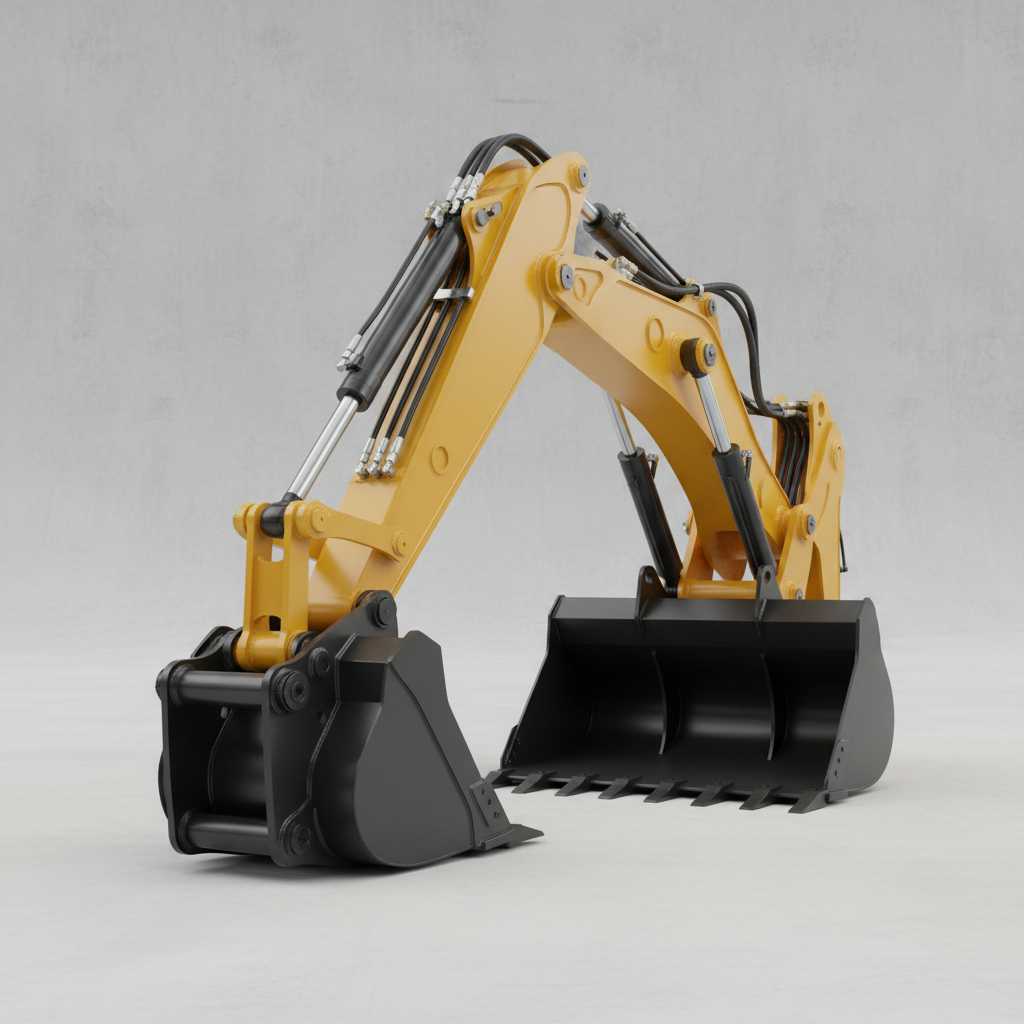
Global Industry Context of Backhoe Attachments
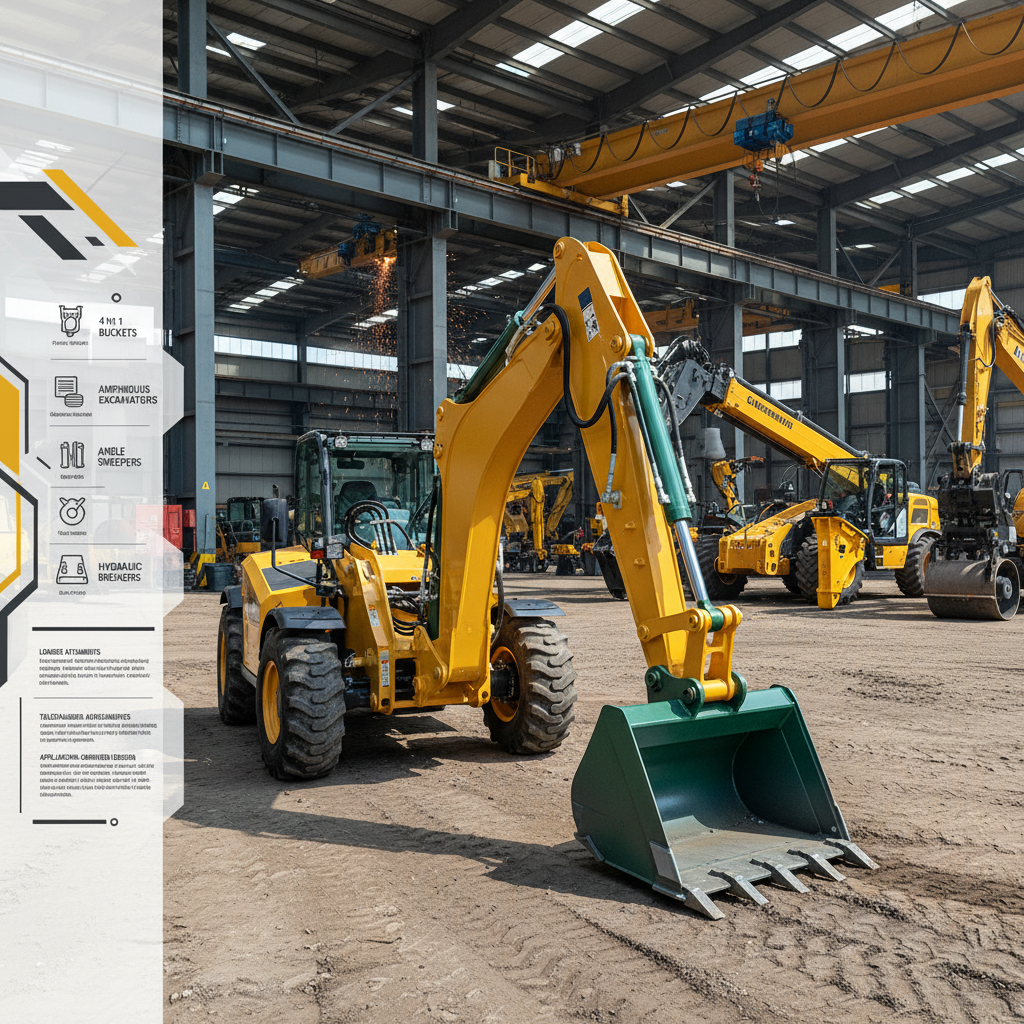
The global construction equipment market is currently undergoing a shift toward "Swiss Army Knife" versatility. According to industry trends aligned with ISO standards for earth-moving machinery, there is a marked increase in the adoption of multi-tool carriers. The backhoe attachment for telehandler addresses a critical gap in the market: the need for a machine that can lift pallets to a second-story balcony and then immediately dig a drainage trench without leaving the site.
Historically, contractors had to mobilize both a telehandler and a compact excavator, doubling transport costs and increasing the carbon footprint of the project. By integrating digging capabilities into the telehandler chassis, companies are seeing a significant reduction in logistical overhead. This shift is particularly evident in European and North American markets, where stringent emission regulations and high labor costs push firms toward maximizing the utility of every single engine on site.
FAQS
Not all telehandlers are compatible. To use a backhoe attachment, the machine must have auxiliary hydraulic circuits capable of providing the necessary flow and pressure. It is also vital to check the lifting capacity and stability ratings of your specific model to ensure it can handle the weight and breakout force of the attachment without risking a tip-over.
While a dedicated excavator is generally more powerful for deep, heavy-duty digging, a backhoe attachment for telehandler offers a superior balance of versatility and mobility. It is ideal for light to medium excavation, trenching, and material handling. For the majority of utility and landscaping tasks, it provides sufficient power while eliminating the need for a second machine.
Installation depends on the coupling system. If your telehandler is equipped with a quick-coupler, the process takes only a few minutes. However, the initial setup—including the routing of auxiliary hydraulic lines and the installation of control valves—usually requires a certified technician to ensure all seals are leak-proof and pressures are correctly calibrated for safety.
Regular greasing of all pivot pins and bushings is essential to prevent premature wear. You should also inspect the hydraulic hoses for abrasions or leaks and check the bucket teeth for wear. Because these attachments operate in abrasive environments, replacing wear-plates and teeth periodically will extend the overall lifespan of the steel structure.
Generally, using OEM or certified third-party attachments does not void warranties, provided the attachment is used within the manufacturer's specified load limits. We always recommend consulting your equipment dealer and ensuring the attachment is rated for your specific machine's hydraulic capacity to avoid overloading the pump or engine.
Bucket selection depends on the material and the application. Narrow buckets are best for utility trenching to minimize backfill, while wider buckets are better for general grading and clearing. Consider the soil density; heavier soils require smaller, reinforced buckets to maintain high breakout force, whereas loose sand allows for larger volume buckets to increase productivity.
Conclusion
The adoption of a backhoe attachment for telehandler represents a significant leap in operational efficiency, blending the reach of a telehandler with the precision of an excavator. By reducing the need for multiple machines, contractors can lower their overhead, minimize site congestion, and improve their overall project agility. From the engineering of high-tensile steel components to the integration of smart hydraulic systems, these attachments are proving to be indispensable in the modern era of lean construction.
Looking forward, as we move toward a future of automation and green energy, the role of modular attachments will only grow. Investing in high-quality, versatile equipment today ensures that your business remains competitive and sustainable in an ever-evolving market. We encourage fleet managers to evaluate their current machinery gaps and explore how an integrated digging solution can unlock new revenue streams and operational capabilities. Visit our website for more information: www.crafts-mfg.com