0%

Table of Contents

In the demanding world of infrastructure development, the stability of the ground is the foundation of every successful project. A backhoe compaction wheel serves as a critical attachment that transforms a versatile backhoe loader into a precision soil-stabilization machine, ensuring that trenches, roadbeds, and foundations are packed to peak density.

Globally, the shift toward rapid urbanization and the expansion of heavy industrial zones have placed immense pressure on construction timelines. The integration of specialized compaction tools allows operators to achieve high-density soil requirements without the need to transport multiple heavy rollers to tight job sites, thereby drastically reducing operational overhead and fuel consumption.

Understanding the technical nuances of the backhoe compaction wheel—from its weight distribution to its surface texture—is essential for any project manager aiming to meet ISO standards for soil compaction. By optimizing the interface between the machine and the earth, contractors can prevent future subsidence and ensure the long-term integrity of the built environment.
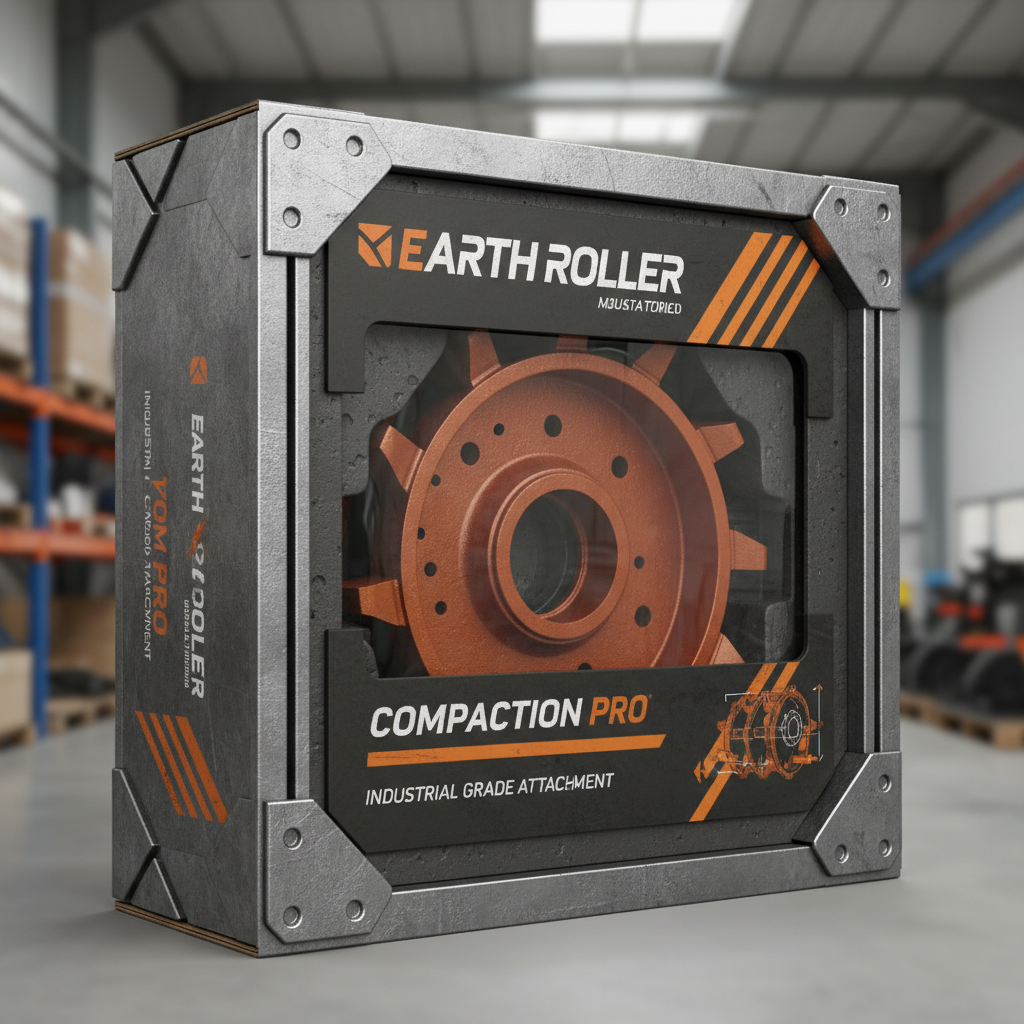
backhoe compaction wheel

Global Relevance of Backhoe Compaction Wheels
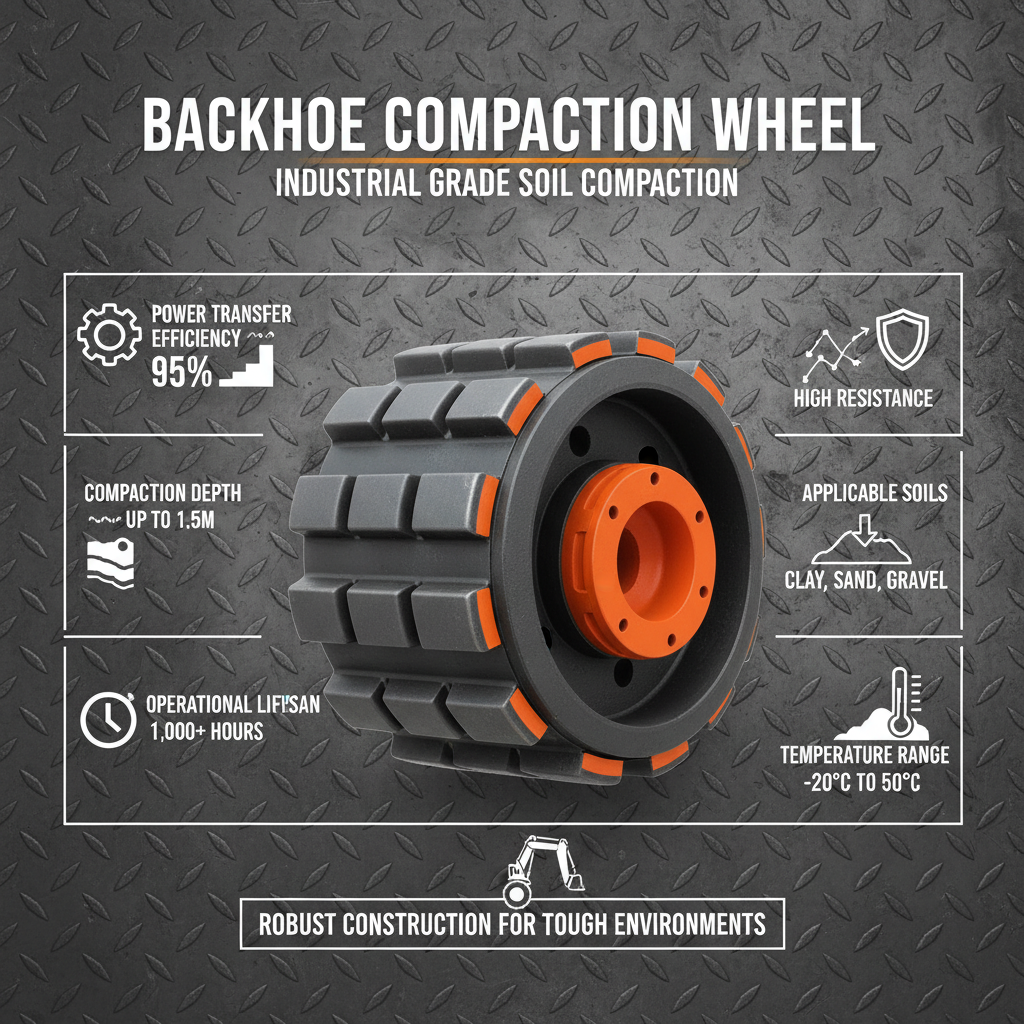
backhoe compaction wheel

The global construction market is currently witnessing a surge in "micro-infrastructure" projects—small-scale but high-density urban updates where traditional massive rollers cannot navigate. The backhoe compaction wheel has emerged as the primary solution for these constrained environments, providing the necessary downward pressure to eliminate air voids in the soil while maintaining a compact footprint.

From the expanding road networks in Southeast Asia to the meticulous utility repairs in European city centers, the demand for versatile compaction equipment is at an all-time high. By adhering to international standards like those set by the ISO, these wheels ensure that the load-bearing capacity of the soil is consistent, preventing the catastrophic failure of asphalt and concrete layers over time.

Engineering Principles and Definition

At its core, a backhoe compaction wheel is a heavy-duty, specialized attachment designed to be mounted on a backhoe or loader to compress soil, gravel, or asphalt. Unlike standard tires, which are designed for traction and mobility, the compaction wheel is engineered for static and dynamic pressure, utilizing a reinforced steel structure to force particles closer together.

This tool is indispensable for modern humanitarian and industrial needs, particularly in the rapid construction of emergency shelters or the stabilization of remote industrial zones. When a project requires "trench packing," the compaction wheel ensures that the backfill material does not settle unevenly, which would otherwise lead to surface cracks or pipeline ruptures.

The connection between the wheel and the machine is typically a reinforced hydraulic or mechanical mount, allowing the operator to apply targeted pressure. This precision is what differentiates a professional compaction setup from simple "driving over" the dirt, providing a scientifically verifiable level of density.

Key Factors for Optimal Performance

Durability is the foremost requirement for any backhoe compaction wheel. Because these tools constantly interact with abrasive materials like crushed rock and wet clay, they must be forged from high-tensile steel and often treated with heat-resistant coatings to prevent premature wear and tear.

Weight distribution and surface geometry are equally critical. A wheel with a smooth surface is ideal for asphalt finishing, whereas a textured or "padded" wheel is necessary for cohesive soils to prevent the material from sticking to the drum, which would otherwise create uneven patches in the compaction layer.

Cost efficiency is realized through the reduction of machine idling and transportation. By utilizing a backhoe with a compaction attachment, a contractor eliminates the need to hire a separate roller operator, thereby streamlining the workflow and reducing the total carbon footprint of the job site.

Industrial Applications and Use Cases

The versatility of the backhoe compaction wheel makes it a staple in diverse environments. In residential developments, it is used for compacting the base of driveways and walkways. In industrial settings, such as the construction of heavy machinery pads, these wheels ensure the ground can support several hundred tons of static load without shifting.

One of the most critical applications is found in post-disaster relief operations. When rebuilding roads in remote areas or stabilizing ground for mobile hospitals, the ability to quickly deploy a backhoe with a compaction wheel allows for the immediate creation of stable logistics routes, saving lives by speeding up the delivery of aid.

Efficiency Comparison of Compaction Methods

Long-Term Value and Sustainability

Investing in a high-quality backhoe compaction wheel provides tangible economic benefits over the life of a construction company. By reducing the reliance on multiple specialized machines, companies lower their maintenance costs and insurance premiums. Moreover, the increased reliability of the compacted ground reduces the need for costly warranty repairs and resurfacing projects.

From a sustainability perspective, the efficiency of these attachments contributes to "Green Construction." Less fuel is burned because the backhoe performs multiple roles (digging, loading, and compacting) without needing to move between machines. This synergy reduces site emissions and minimizes the overall disturbance to the local ecosystem during the construction phase.

Future Trends in Soil Compaction Tech

The next generation of compaction wheels is moving toward "Intelligent Compaction." This involves integrating sensors into the wheel that provide real-time feedback on soil stiffness and density. Instead of relying on manual core sampling, operators can see a digital heat map of the ground, knowing exactly when the target density has been reached.

Material science is also evolving, with the introduction of lightweight, ultra-hard alloys that provide the same compaction force as traditional steel but with significantly less weight. This reduces the strain on the backhoe's hydraulic systems and allows for faster movement across the job site.

Automation is the final frontier. We are seeing the rise of semi-autonomous compaction patterns where the backhoe follows a GPS-guided path to ensure 100% coverage of the area, eliminating human error and ensuring that no "soft spots" are left behind in the foundation.

Overcoming Common Operational Challenges

One of the most common limitations is the "over-compaction" of cohesive soils, which can lead to soil shearing and a loss of stability. To overcome this, expert operators utilize a layered approach, compacting in thin "lifts" rather than attempting to compress a deep mass of earth all at once.

Another challenge is the accumulation of debris on the wheel surface. Innovative solutions include the use of non-stick polymer coatings and integrated scraper blades that clean the backhoe compaction wheel automatically as it rotates, maintaining a consistent surface pressure.

Finally, the mismatch between wheel weight and soil type can lead to inefficiency. The solution lies in modularity; using interchangeable drums or adjustable weight plates allows a single machine to adapt to everything from sandy loams to heavy clay.

Analysis of Compaction Wheel Specifications and Performance

Wheel Configuration Primary Soil Type Compaction Depth Efficiency Score (1-10)
Smooth Steel Drum Asphalt/Fine Gravel 0-15 cm 9
Padded Rubberized Cohesive Clay 10-30 cm 8
Textured Heavy Duty Mixed Rubble 20-50 cm 7
Vibratory Hybrid Sandy Loam 30-60 cm 10
Lightweight Alloy Topsoil/Landscaping 0-10 cm 6
Reinforced Cast Iron Deep Bedding 40-80 cm 8

FAQS

How does a backhoe compaction wheel differ from a standard roller?

While a standard roller is a standalone machine, the backhoe compaction wheel is an attachment. This allows for significantly higher mobility and the ability to operate in tight spaces where a full-sized roller cannot fit, while still providing the necessary downward pressure for soil stabilization.

Can I use a compaction wheel on any type of soil?

Yes, but the effectiveness depends on the wheel's surface. Smooth wheels are best for asphalt and fine aggregates, while textured or padded wheels are designed for cohesive soils like clay to prevent sticking and ensure even density.

How often should the compaction wheel be inspected for wear?

Given the abrasive nature of construction materials, we recommend a visual inspection every 50 operating hours. Check for cracks in the weld points and surface erosion to ensure the wheel maintains a consistent contact patch with the ground.

Is the installation of a compaction wheel complex?

Most modern backhoe compaction wheels are designed for quick-coupling. If your machine has a standard quick-coupler system, the attachment can be swapped in minutes. For fixed mounts, professional installation is recommended to ensure hydraulic balance.

Does using a compaction wheel reduce project costs?

Absolutely. By eliminating the need to transport and operate a separate roller machine, you reduce fuel costs, labor expenses, and machine rental fees, while simultaneously speeding up the timeline of trenching and backfilling tasks.

What is the ideal 'lift' thickness when using this tool?

Depending on the soil type and wheel weight, the ideal lift is typically between 15cm and 30cm. Compacting in these increments ensures that the pressure reaches the bottom of the layer, preventing future settling.

Conclusion

The backhoe compaction wheel is more than just a piece of steel; it is a precision tool that bridges the gap between excavation and final surfacing. By integrating durability, versatility, and engineering efficiency, it allows contractors to achieve industrial-grade soil density in the most challenging environments, ensuring that every road, pipe, and foundation is built to last for decades.

As the industry moves toward smarter, greener, and more automated solutions, the evolution of compaction attachments will continue to drive productivity. We encourage project managers to prioritize high-quality, certified attachments to maximize their machine's ROI and guarantee the safety of their infrastructure. For premium equipment and expert guidance, visit our website: www.crafts-mfg.com.

Robert Johnson

Robert Johnson

Robert Johnson serves as the Regional Account Manager for the Midwest region at Xuzhou Crafts Machinery Equipment Co., Ltd. He has a proven track record of successful sales and customer service within the construction equipment sector. Robert specializes in our excavator attachment range, including buckets, grapples, and rippers. He works closely with rental companies and contractors to provide cost-effective solutions for their excavation projects. Before joining Crafts, Robert was a service technician for Caterpillar, providing him with practical knowledge about machine maintenance and performance. He is committed to delivering exceptional value and building long-term partnerships with his clients.
Previous Precision Engineered Excavator Thumbs For Heavy Duty

If you are interested in our products, you can choose to leave your information here, and we will be in touch with you shortly.

  • captcha