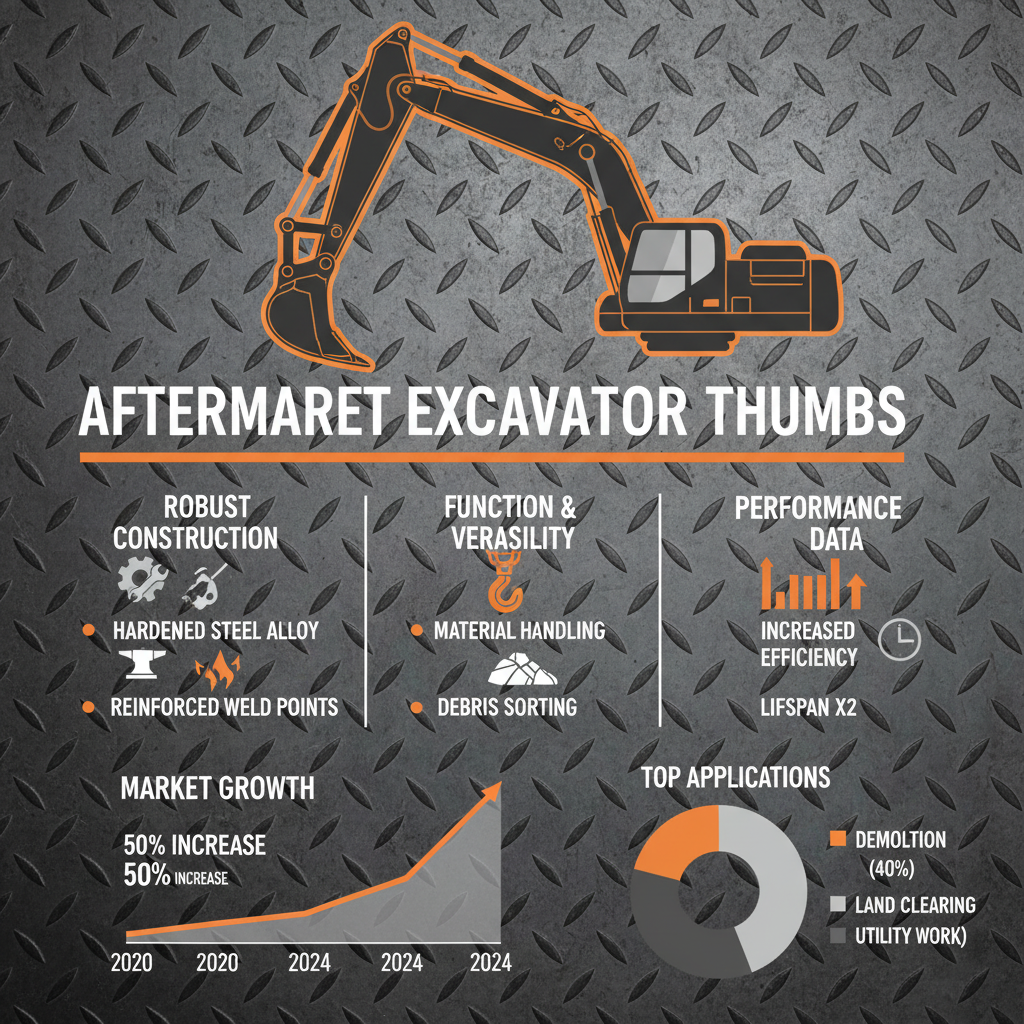
In the demanding world of earthmoving and demolition, the ability to grip, lift, and manipulate irregular materials is what separates a productive job site from a stagnant one. This is where aftermarket excavator thumbs play a pivotal role, transforming a standard digging bucket into a powerful clamping tool. By providing the mechanical equivalent of a human thumb, these attachments allow operators to handle logs, boulders, and scrap metal with precision and security.
The global construction machinery market has seen a significant shift toward versatility. Rather than purchasing multiple specialized machines, contractors are increasingly relying on high-quality aftermarket solutions to expand the utility of their existing fleet. Integrating aftermarket excavator thumbs allows for a seamless transition between excavation and material handling, drastically reducing downtime and increasing the hourly ROI of the equipment.
However, not all attachments are created equal. The challenge for modern fleet managers lies in balancing the cost-effectiveness of aftermarket parts with the rigorous durability requirements of ISO standards and heavy-duty industrial use. Understanding the engineering behind these components is essential for ensuring operator safety and maximizing the lifespan of the excavator's hydraulic system.
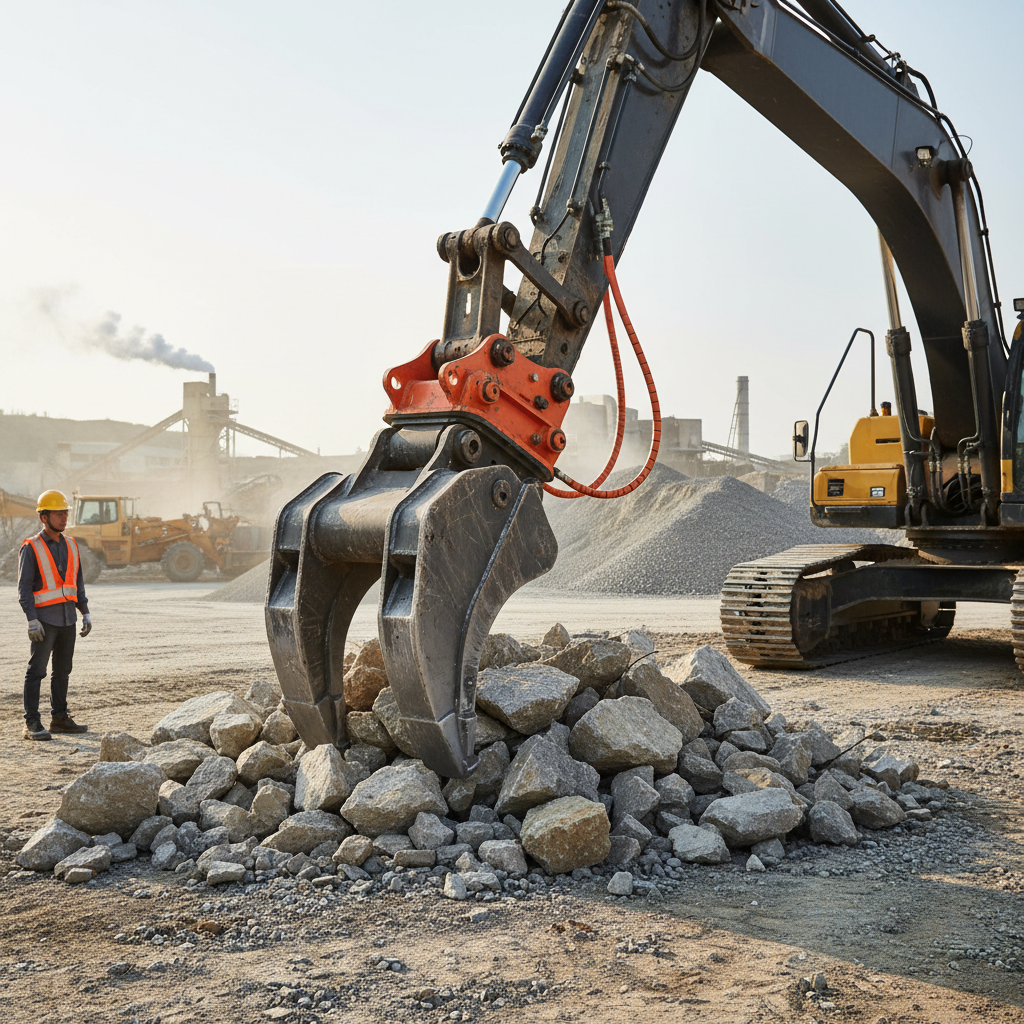
Global Industry Context of Aftermarket Excavator Thumbs
The global demand for infrastructure development, particularly in emerging economies across Southeast Asia and Africa, has put immense pressure on construction efficiency. According to industry trends aligned with ISO equipment standards, the need for multi-functional machinery has skyrocketed. aftermarket excavator thumbs have emerged as a critical solution, allowing operators to adapt their machinery to various terrains and tasks without the prohibitive cost of buying new, specialized machines from OEMs.
This trend is driven by the necessity of "doing more with less." In sectors like urban demolition and forestry, the ability to grip uneven debris is not just a convenience but a safety requirement. By integrating aftermarket clamping systems, companies can reduce the need for manual labor in hazardous zones, aligning with global occupational health and safety goals to minimize human exposure to unstable loads.
Defining Aftermarket Excavator Thumbs and Their Utility
At its core, an aftermarket excavator thumb is a heavy-duty steel attachment mounted to the excavator arm, acting in opposition to the bucket. When the thumb closes, it creates a powerful pincer grip, enabling the machine to pick up objects that a standard bucket would simply push aside. These components are manufactured by third-party specialists who often focus on enhancing the original design for greater durability or easier installation.
Beyond simple gripping, these attachments connect deeply with the modern need for precision. In humanitarian efforts, such as post-disaster debris removal, aftermarket excavator thumbs allow operators to carefully remove structural beams or concrete slabs without causing further collapse of surrounding areas. This level of control is essential for rescue operations where speed must be balanced with extreme caution.
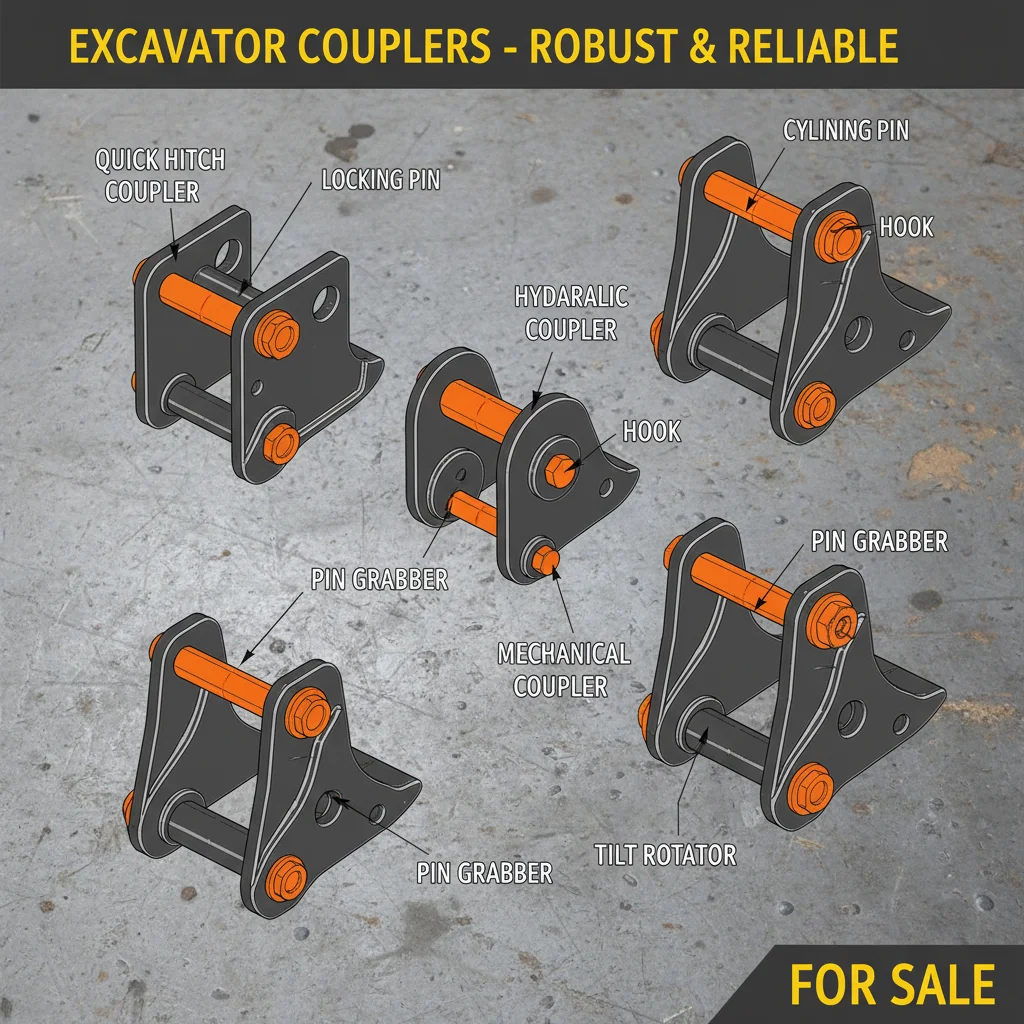
From a technical standpoint, these thumbs typically come in two varieties: hydraulic and mechanical. Hydraulic thumbs offer the ability to open and close via the machine's hydraulic circuit, providing maximum power and operator comfort. Mechanical thumbs, while simpler, offer a cost-effective way to add gripping capability for less intensive tasks, ensuring that even small-scale contractors can enhance their equipment's versatility.
Core Engineering Factors for High-Performance Thumbs
Durability is the foremost consideration when selecting aftermarket excavator thumbs. Because they are subjected to immense torsional stress and abrasive environments, the use of high-tensile alloy steel and specialized heat-treatment processes is non-negotiable. A thumb that lacks structural integrity will not only fail prematurely but could pose a significant risk to the operator and ground crew if a load is dropped unexpectedly.
Compatibility and scalability ensure that the attachment integrates perfectly with the excavator's existing hydraulic flow and arm geometry. High-quality aftermarket options are engineered to fit a wide range of brands—from Caterpillar and Komatsu to John Deere—without requiring extensive modifications to the chassis. This "plug-and-play" approach reduces installation time and prevents voiding of primary machine warranties.
Cost efficiency is the final pillar. By optimizing the manufacturing process through CNC machining and robotic welding, aftermarket providers can offer products that match or exceed OEM specifications at a fraction of the cost. This allows fleet owners to outfit multiple machines with aftermarket excavator thumbs, thereby increasing the overall capacity of the project site without ballooning the capital expenditure.
Comparative Analysis of Thumb Installation Methods
Choosing the right installation method for aftermarket excavator thumbs depends largely on the intended application and the available budget. Weld-on thumbs provide the most rigid connection and are ideal for the heaviest lifting, although they require permanent modification to the arm. In contrast, bolt-on or clamp-on versions offer flexibility, allowing the thumb to be removed or moved to another machine with minimal effort.
The decision often comes down to the trade-off between absolute strength and operational agility. For those working in quarrying, where the loads are massive and consistent, the permanence of a weld-on system is an asset. However, for rental companies or general contractors who pivot between different project types, the versatility of modular aftermarket systems is far more valuable.
Performance Comparison of Aftermarket Excavator Thumbs Types
Global Applications in Diverse Industrial Zones
In remote industrial zones, such as the mining regions of Western Australia or the forestry tracts of Canada, aftermarket excavator thumbs are indispensable. In these environments, the ability to clear fallen timber or move large ore boulders quickly is essential for maintaining production schedules. The resilience of aftermarket steel allows these machines to operate 24/7 in abrasive conditions that would wear down standard equipment rapidly.
Urban redevelopment in cities like London or New York also relies heavily on these attachments. During the precision demolition of old warehouses, operators use thumbs to sort recyclable materials—separating steel beams from concrete rubble on-site. This not only lowers transportation costs but also aligns with global sustainability goals by increasing the purity of recycled material streams.
Long-Term Economic and Operational Advantages
The primary logical advantage of investing in aftermarket excavator thumbs is the immediate boost in machine versatility. Instead of hiring a separate grapple machine for a project, a contractor can simply equip their excavator. This reduces the overall carbon footprint of the job site by decreasing the number of active engines and lowers fuel consumption, providing a tangible environmental benefit alongside financial savings.
From an emotional and professional perspective, the use of high-quality thumbs enhances operator confidence and trust. There is a significant psychological difference between struggling to push a load into a bucket and securely gripping it with a thumb. This increased control leads to a safer working environment, reducing the stress on the operator and the risk of workplace accidents, which in turn fosters a culture of professionalism and safety.
Over the long term, the reliability of a well-engineered aftermarket thumb ensures that the machine remains a liquid asset. A versatile excavator with multiple attachment options has a much higher resale value in the secondary market. By choosing components that prioritize E-E-A-T (Experience, Expertise, Authoritativeness, and Trustworthiness) principles in their design, owners ensure that their equipment remains competitive for years to come.
Future Innovations in Excavator Clamping Technology
The future of aftermarket excavator thumbs is moving toward "smart" attachments. We are seeing the integration of pressure sensors and IoT connectivity that allow the operator to see the exact clamping force being applied in real-time on a digital display. This prevents the over-stressing of the arm and ensures that fragile materials are handled without damage, merging heavy machinery with digital precision.
Material science is also evolving, with the introduction of nano-coated surfaces to reduce friction and wear. These new coatings will significantly extend the intervals between maintenance checks, further lowering the total cost of ownership. Additionally, as the industry moves toward electric and hybrid excavators, aftermarket thumbs are being redesigned to operate with higher-efficiency hydraulic systems that minimize energy loss.
Sustainability is becoming a core driver of innovation. Future designs are focusing on "circularity," utilizing recycled high-strength steels that maintain structural integrity while reducing the carbon footprint of the manufacturing process. This ensures that the growth of the construction industry does not come at the expense of the planet.
Core Technical Analysis of Aftermarket Excavator Thumb Specifications
| Attachment Type |
Material Grade |
Installation Time |
Durability Score (1-10) |
| Hydraulic Weld-on |
Hardox 450 / 500 |
8-12 Hours |
10 |
| Hydraulic Bolt-on |
High-Tensile Alloy |
3-5 Hours |
8 |
| Mechanical Fixed |
Standard Carbon Steel |
2 Hours |
6 |
| Hydraulic Clamp-on |
Reinforced Alloy |
4-6 Hours |
7 |
| Custom Heavy-Duty |
Tungsten-Infused Steel |
15-20 Hours |
9 |
| Compact Series |
Medium-Grade Alloy |
3 Hours |
7 |
FAQS
It depends on the installation method. Bolt-on or clamp-on thumbs generally do not void warranties as they are non-permanent. However, weld-on thumbs involve modifying the chassis, which may void specific structural warranties. We recommend consulting your dealer or choosing high-quality, precision-engineered aftermarket parts that follow OEM mounting specifications to minimize risks.
Hydraulic thumbs are operated via the machine's hydraulic system, offering immense clamping power and ease of use from the cab. Mechanical thumbs are manually locked into place or rely on gravity/springs, making them cheaper and easier to install, but they offer significantly less control and power for heavy-duty material handling.
The correct size is determined by the tonnage of your machine and the width of your bucket. A thumb that is too small will lack the necessary clamping force, while one that is too large may interfere with the bucket's digging depth. Always provide your machine's model number and bucket dimensions to the supplier to ensure a perfect fit.
Given the high-stress nature of the work, a weekly visual inspection is recommended. Check for stress cracks in the welds, wear on the pivot pins, and hydraulic leaks in the cylinder. Greasing the pivot points every 50-100 hours of operation will significantly extend the life of the attachment.
Many premium aftermarket thumbs are actually stronger than OEM versions because they use superior materials like Hardox steel and reinforced welding techniques. The key is to source from a manufacturer that provides material certifications and follows rigorous quality control standards.
Yes, almost any excavator can be retrofitted with a thumb. For older machines without auxiliary hydraulic lines, you may need to install a basic hydraulic kit or opt for a mechanical thumb. Aftermarket specialists excel at creating custom solutions for legacy equipment to bring it up to modern productivity standards.
Conclusion
Integrating aftermarket excavator thumbs is one of the most cost-effective ways to enhance the utility and value of a construction fleet. By transforming a simple digger into a versatile gripping tool, operators can tackle a wider array of projects—from precision demolition to forestry—while increasing safety and reducing operational costs. The balance of high-tensile materials, precise engineering, and strategic installation ensures that these attachments provide long-term value far beyond their initial investment.
As the industry moves toward a more sustainable and digitally integrated future, the role of specialized attachments will only grow. We encourage fleet managers to prioritize quality over the lowest price, focusing on materials and compatibility to ensure maximum uptime. To explore the best options for your machinery and upgrade your operational capacity, visit our website: www.crafts-mfg.com