The Ultimate Guide to Choosing the Right Digger Bucket Blade
In the demanding world of earthmoving and excavation, the efficiency of your machinery depends heavily on the quality of its wear parts. The digger bucket blade serves as the primary contact point between the machine and the terrain, making it critical for productivity. Whether you are digging through abrasive sand, heavy clay, or rocky soil, having a high-performance cutting edge ensures smoother penetration and reduces the strain on your hydraulic systems. Investing in premium blades not only accelerates project timelines but also significantly lowers long-term maintenance costs by protecting the bucket shell from premature wear.

Material Composition of High-Performance Digger Bucket Blades
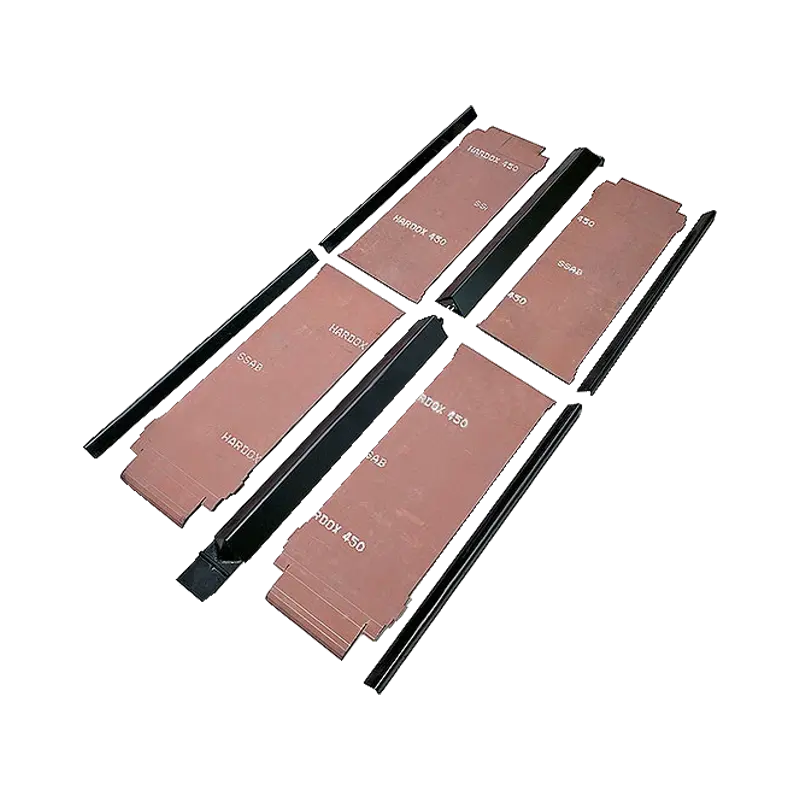
The durability of a digger bucket blade is primarily determined by its metallurgical properties. Most industrial-grade blades are crafted from boron steel or manganese steel, which are heat-treated to achieve a precise balance between hardness and toughness. Boron steel is favored for its exceptional abrasion resistance, while manganese steel is often chosen for high-impact environments where the metal must "work-harden" under pressure. This ensures that the blade maintains its sharp edge longer, reducing the frequency of replacements and minimizing machine downtime on the job site.
Pro Tip: Always match the blade material to your specific soil type. Using a hard-brittle blade in high-impact rocky terrain can lead to cracking, whereas using a soft blade in abrasive sand will result in rapid wear.
Comparing Digger Bucket Blade Types and Applications
Depending on the project requirements, different blade configurations are utilized. Bolt-on blades offer the convenience of rapid replacement, making them ideal for general construction. In contrast, weld-on blades provide a permanent, rigid connection for the most extreme heavy-duty mining applications. Understanding these differences is key to optimizing the performance of your digger bucket blade assembly. Below is a detailed comparison of the most common blade types used in the industry.
Maximizing the Lifespan of Your Digger Bucket Blade
Maintenance is the key to profitability in construction. To get the most out of your digger bucket blade, operators should avoid "dragging" the bucket across hard surfaces unnecessarily, which causes excessive frictional heat and accelerated wear. Regular inspections for thinning edges or loose bolts can prevent catastrophic failure that could damage the entire bucket. Additionally, utilizing a rotation schedule for blades in multi-bucket fleets ensures balanced wear across all equipment.

Technical Specifications for Precision Engineering
A professional-grade digger bucket blade must meet strict tolerances to ensure a perfect fit with the bucket shell. Improper fitting can lead to gaps where soil accumulates, causing stress concentrations and premature cracking. Our manufacturing process employs precision CNC cutting and controlled tempering to ensure every blade meets global industry standards for hardness (HRC) and tensile strength.
Environmental Impact and Sustainable Manufacturing
Sustainability is becoming a priority in the heavy equipment sector. By producing a longer-lasting digger bucket blade, we reduce the amount of scrap steel generated and lower the carbon footprint associated with frequent replacements. Our manufacturing facility utilizes energy-efficient tempering furnaces and recycled steel alloys to ensure that high-performance gear doesn't come at the cost of the environment. Choosing durable wear parts is a direct step toward a more sustainable construction cycle.
Selecting the Right Supplier for Excavation Parts
Not all blades are created equal. When sourcing a digger bucket blade, it is essential to verify the supplier's quality control certifications. Look for manufacturers who provide detailed material certifications and offer warranties against manufacturing defects. A reliable partner will provide technical guidance on which blade geometry is best for your specific machine model, whether you are operating a mini-excavator or a giant mining shovel.
Conclusion: Optimize Your Productivity with Premium Blades
The digger bucket blade is a small component that carries a massive responsibility. From material selection and precise engineering to proper maintenance, every detail affects the efficiency of your excavation project. By choosing high-grade boron or manganese steel blades, you ensure your machinery operates at peak performance while reducing downtime. Invest in quality today to secure the longevity of your equipment and the success of your projects.
Frequently Asked Questions (FAQs)
How often should I replace my digger bucket blade?
Replacement frequency varies based on the material being moved. In soft soil, a blade may last for several months; however, in rocky or abrasive environments, you may need to replace it every few weeks. The best indicator is a noticeable drop in digging efficiency or visible thinning of the cutting edge. Regular weekly inspections are recommended to catch wear before it damages the bucket shell.
What is the difference between Boron and Manganese steel blades?
Boron steel is quenched and tempered to provide a consistent, high level of hardness and abrasion resistance from the start. Manganese steel is unique because it "work-hardens," meaning it becomes harder as it is impacted during use. Boron is generally better for abrasive wear (sand/gravel), while Manganese is superior for high-impact shock (breaking rock).
Can I weld a bolt-on blade to my bucket?
While technically possible, it is not recommended. Bolt-on blades are designed with specific hole patterns and thicknesses meant for mechanical fastening. Welding them may distort the plate or create brittle spots in the steel due to improper heat treatment. If you require a permanent fit, it is better to purchase a dedicated weld-on digger bucket blade designed for that purpose.
How do I know if my blade is the wrong size for my bucket?
Signs of a poor fit include gaps between the blade and the bucket lip, bolts that do not align perfectly, or a blade that "bows" during penetration. A poorly fitting blade will wear unevenly and can cause the bucket shell to warp. Always provide your machine's make, model, and bucket dimensions to the supplier to ensure a precise match.
Post time: Jun-25-2026