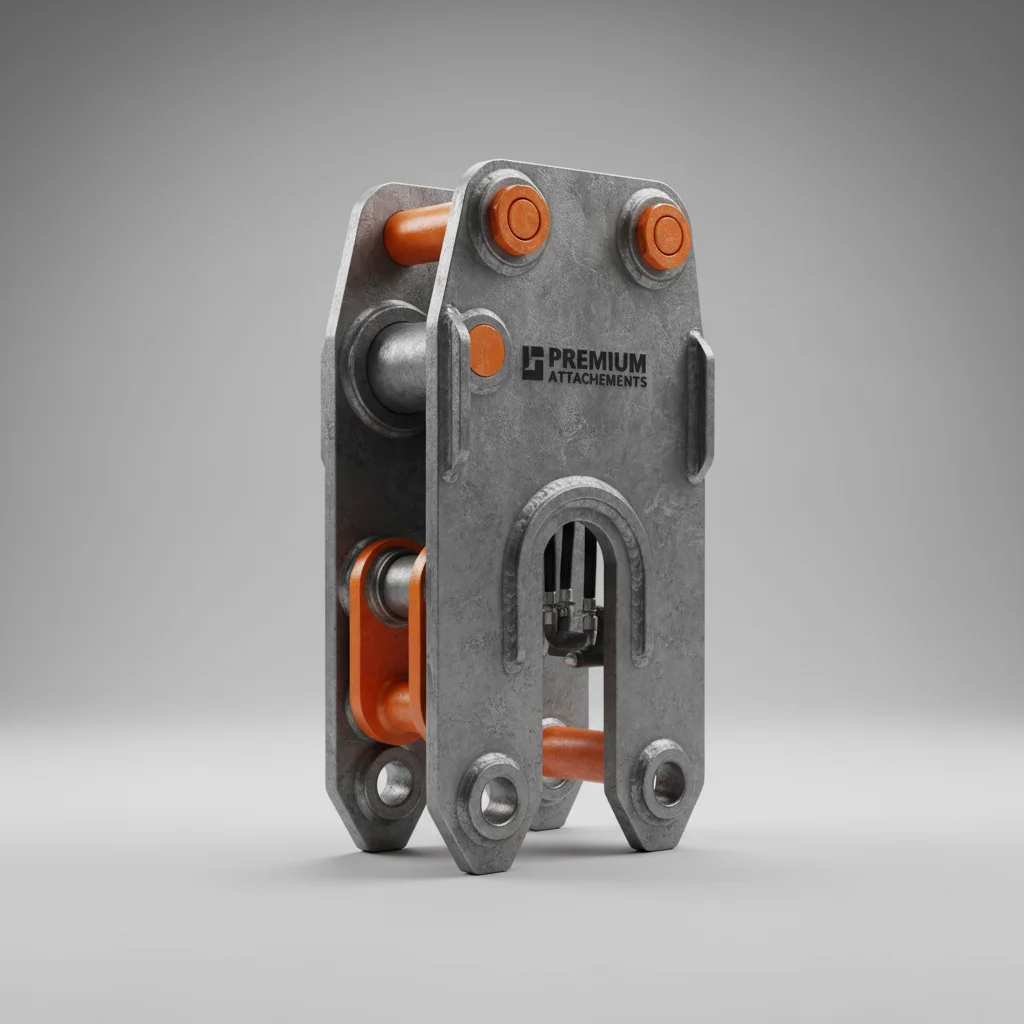
The global infrastructure landscape relies heavily on the precision of heavy machinery, where the reliability of undercarriage and drive components determines the success of large-scale roadworks. In the specialized world of asphalt paving, the efficiency of material transport is paramount, requiring a sophisticated integration of driving shafts and conveyor systems to ensure a seamless finish. Understanding the role of a high-quality track adjuster factory helps operators maintain the rigorous standards required for modern urban development.
From an industrial perspective, the manufacturing of driving mechanisms for asphalt pavers involves extreme precision to withstand high-stress environments. When conveyor chains and scrapers operate longitudinally, any deviation in the manufacturing accuracy of the driving shaft can lead to instability in the feeding system, directly impacting the productivity of the construction site. This is why sourcing components from a reputable track adjuster factory or a specialized equipment manufacturer is critical for reducing downtime and operational costs.
By focusing on heavy-duty materials and tight manufacturing tolerances, the industry aims to maximize the service life of critical components. Whether it is ensuring the perfect circulation of conveyor chains around the sprocket or maintaining the structural integrity of the feeding shaft, the goal remains the same: high performance and reliability. For those seeking the pinnacle of durability in road machinery parts, partnering with a professional track adjuster factory ensures that every piece of equipment operates at its peak theoretical efficiency.

The Role of Precision in Asphalt Paver Driving Shafts
The driving shaft of an asphalt paver serves as the heart of the material transport system, providing the essential guide for conveyor chains. Its primary function is to act as the driving mechanism that allows chains with scrapers to move longitudinally, ensuring that the asphalt mix is conveyed steadily from the hopper to the auger section. Any slight misalignment in this process can lead to uneven material distribution, which compromises the quality of the road surface.
To achieve this level of stability, a track adjuster factory or specialized manufacturer must employ high-precision machining. The higher the manufacturing accuracy of the conveying shaft, the more stable the equipment's feeding system becomes. This stability is not just a technical preference but a requirement for improving overall production efficiency and reducing the physical wear on the associated conveyor chains.
Engineering Standards for Heavy-Duty Conveying Systems
Engineering a driving shaft for an asphalt paver requires a deep understanding of mechanical stress and rotational dynamics. The shaft must be capable of supporting the weight of the asphalt mix while simultaneously driving the sprocket that moves the conveyor chains in an infinite closed loop. This requires a balance between rigidity to prevent bending and the ability to absorb vibrations caused by the heavy material flow.
Furthermore, the integration of the sprocket on the feeding shaft is a critical point of failure if not engineered correctly. When the transmission starts, the torque applied to the sprocket must be distributed evenly across the shaft to prevent torsional fatigue. High-standard engineering ensures that the power transmission is efficient and that the material transportation remains perfect throughout the duration of the project.
These standards are often mirrored in the quality control processes of a top-tier track adjuster factory, where tight tolerances are non-negotiable. By adhering to strict ISO or equivalent industry standards, manufacturers can guarantee that the driving shaft assembly will fit seamlessly into the paver's chassis, reducing installation time and eliminating the need for on-site modifications.
Material Resilience and Stress Management
The materials used in the construction of high-precision feeding shafts are chosen specifically for their ability to withstand extreme stress. Since asphalt is heavy and often handled at high temperatures, the shaft is subject to both thermal expansion and immense mechanical pressure. Utilizing alloy steels with specific heat treatments ensures that the component does not warp or crack under these conditions.
A professional track adjuster factory focuses on the metallurgical properties of the steel to ensure a long service life. By implementing advanced quenching and tempering processes, the shaft gains a hard outer shell for wear resistance while maintaining a ductile core to absorb shocks without fracturing, which is vital for continuous heavy-duty operation.
Beyond the shaft itself, the interaction between the sprocket and the conveyor chain requires a material synergy. The wear rates must be balanced so that the driving shaft does not prematurely erode the chains. This holistic approach to material science ensures that the entire driving mechanism operates as a cohesive unit, maximizing the uptime of the asphalt paver.
Operational Efficiency and Power Transmission
The operational flow of an asphalt paver depends entirely on the cycle of the conveyor chains. As the feeding shaft rotates, it drives the material along the chute until it is unloaded at the auger part. Any slip or inefficiency in this power transmission leads to "surging" in the material flow, which can create lumps or gaps in the paved asphalt, necessitating costly rework.
To prevent such inefficiencies, the assembly must be manufactured with tight tolerances that ensure a perfect fit between the shaft, the bearings, and the sprocket. When the drive system is synchronized, the material moves in a smooth, continuous stream, allowing the operator to maintain a consistent paving speed and thickness, which is the hallmark of a professional construction project.
Performance Metrics by Component Sourcing
Compatibility Across Global Paving Brands
One of the most significant challenges for fleet managers is ensuring that replacement parts are compatible with a diverse range of machinery. A high-quality driving shaft assembly must be engineered to fit almost all popular brands of asphalt pavers, including VOGELE, DYNAPAC, and CAT. This universal approach to design allows for easier procurement and reduces the complexity of inventory management.
By focusing on the core mechanical requirements of these brands, a specialized track adjuster factory can produce assemblies that are not only compatible but often exceed the original equipment manufacturer (OEM) specifications. This provides the user with a reliable alternative that maintains the machine's integrity while potentially offering improved durability and a longer service life.
Impact of Component Quality on Pavement Finish
The quality of the finished road surface is a direct reflection of the machinery's performance. If the driving shaft assembly is worn or poorly manufactured, the resulting instability in the conveyor system causes an inconsistent feed to the augers. This creates variance in the asphalt thickness, which can lead to premature road failure and potholes, negatively impacting the longevity of the infrastructure.
In contrast, using components produced with tight manufacturing tolerances ensures a steady, rhythmic flow of material. This precision allows the paver to lay asphalt with a level of consistency that meets strict government and international engineering codes. The result is a smoother ride for vehicles and a significantly longer lifespan for the pavement.
Ultimately, the investment in a premium shaft assembly from a trusted track adjuster factory is an investment in the quality of the final product. For contractors, this means fewer complaints, lower warranty claims, and a stronger reputation for delivering high-quality roadwork projects on time and within budget.
Maintenance Strategies for Long-Term Reliability
Preventative maintenance is the only way to ensure that driving shaft assemblies do not fail catastrophically during a project. Regular inspection of the sprocket wear and the tension of the conveyor chains is essential. Because these parts operate in a harsh environment filled with abrasive asphalt and dust, lubrication and cleaning must be performed daily to prevent premature grinding of the shaft surfaces.
When signs of wear appear—such as increased vibration or a visible "sag" in the conveyor chains—it is time to evaluate the driving shaft. Replacing the assembly before it fails completely prevents damage to the more expensive transmission components and avoids the massive costs associated with unplanned downtime on a live construction site.
Working with a reliable supplier who understands the needs of a track adjuster factory ensures that replacements are available and correctly specified for the machine model. Implementing a scheduled replacement cycle based on operational hours, rather than waiting for failure, is the most cost-effective strategy for large-scale paving operations.
Comparison of Driving Shaft Performance and Maintenance
| Component Grade | Tolerance Level | Expected Life (Hrs) | Maintenance Need |
|---|
| Economy Grade | Loose (+/- 0.5mm) | 1,500 - 2,000 | High / Weekly |
| Standard OEM | Moderate (+/- 0.2mm) | 3,000 - 4,000 | Moderate / Bi-Weekly |
| Precision Alloy | Tight (+/- 0.1mm) | 5,000 - 6,000 | Low / Monthly |
| Heavy-Duty Crafts | Ultra-Tight (+/- 0.05mm) | 7,000 - 9,000 | Very Low / Quarterly |
| Reinforced Steel | Tight (+/- 0.1mm) | 6,000 - 8,000 | Low / Monthly |
| Industrial Custom | Custom Specs | Variable | Custom Schedule |
FAQS
The driving shaft ensures that the conveyor chains move material smoothly and consistently. If the shaft is imprecise or worn, it causes "surges" in the asphalt flow, leading to uneven thicknesses and a rough surface finish, which significantly reduces the road's lifespan and quality.
These high-precision assemblies are designed for wide compatibility across the industry's leading brands, including VOGELE, DYNAPAC, and CAT, ensuring a seamless fit and easy installation for most popular models.
We use heavy-duty alloy steels that undergo specialized heat treatment processes, such as quenching and tempering. This creates a component that is hard enough to resist wear on the surface but flexible enough to absorb mechanical shocks without cracking.
Daily cleaning and lubrication are recommended. A detailed mechanical inspection for wear or vibration should be performed weekly, especially during high-intensity projects, to prevent catastrophic failure and unplanned downtime.
Yes. Higher manufacturing accuracy leads to a more stable feeding system. This means the machine can operate at higher speeds with greater confidence in the material flow, directly increasing the square footage of asphalt laid per hour.
A specialized track adjuster factory or equipment manufacturer provides tight tolerances and material certifications that generic suppliers cannot. This ensures the part is built for the specific stress loads of paving, not just the general dimensions.
Conclusion
In summary, the asphalt paver driving shaft is a critical nexus of power and precision, where the quality of manufacturing directly dictates the success of the entire paving operation. By prioritizing high-precision engineering, heavy-duty materials, and strict tolerance levels, operators can ensure a stable feeding system that maximizes productivity and ensures a world-class pavement finish. The synergy between a high-quality driving shaft and a well-maintained conveyor system is the foundation of efficient road construction.
Looking forward, the industry will continue to move toward even tighter tolerances and more resilient alloys to meet the demands of increasingly larger infrastructure projects. Investing in premium components from a trusted track adjuster factory is not merely a maintenance choice, but a strategic decision to enhance the longevity and reliability of your machinery. For those committed to excellence in construction, the right parts make all the difference. Visit our website: www.crafts-mfg.com