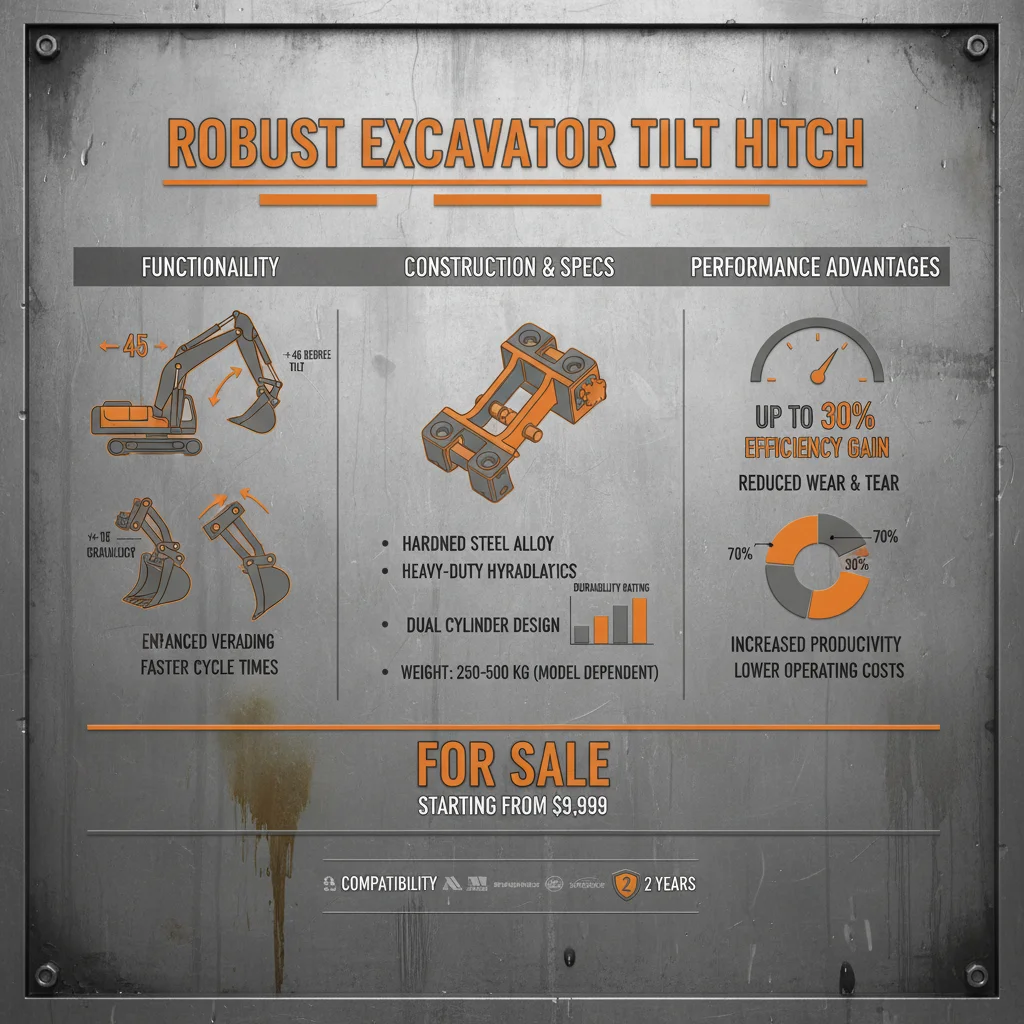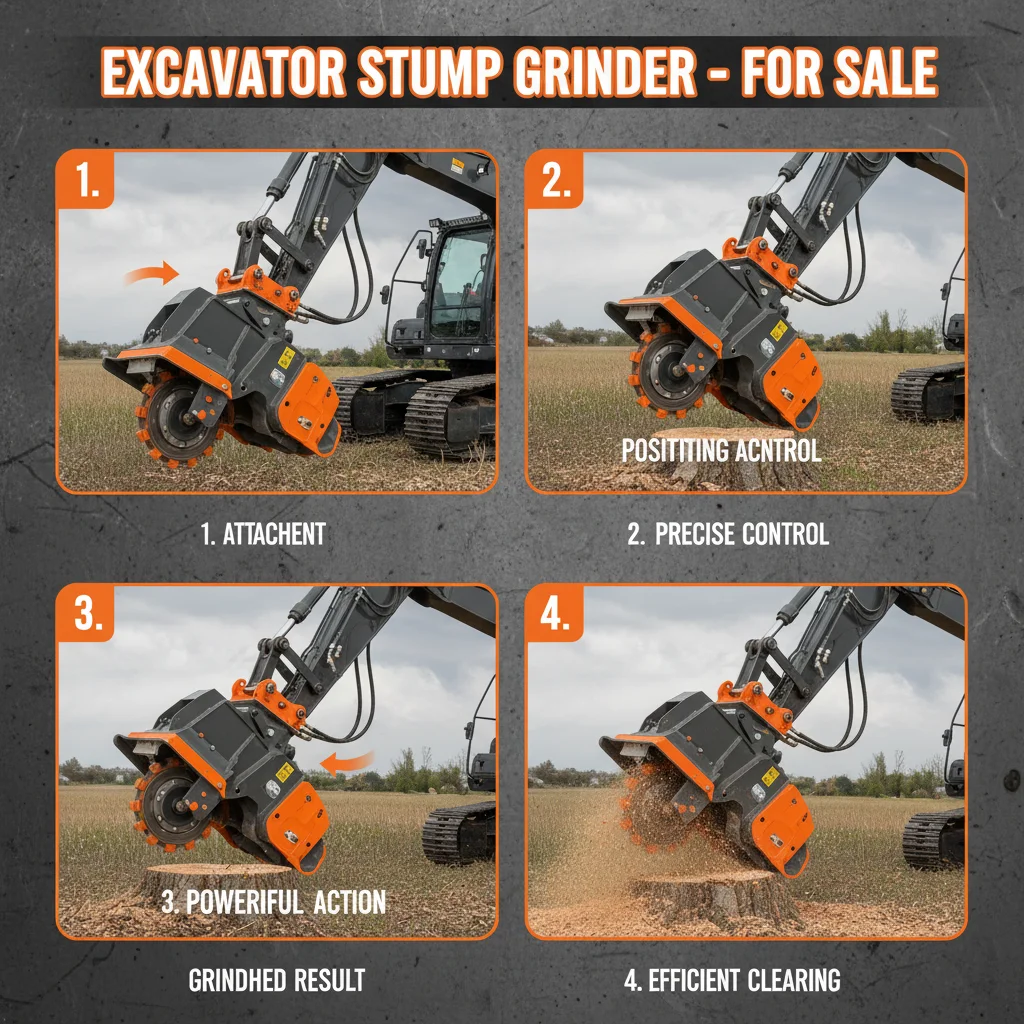
Selecting the right attachment can transform a standard machine into a specialized tool capable of tackling complex site requirements. For operators and fleet managers, the ability to switch between digging, grading, and loading without changing the primary carrier is the cornerstone of operational efficiency.
The global demand for versatility has pushed excavator attachments manufacturers to move beyond simple steel fabrication toward engineering solutions that prioritize wear resistance and universal compatibility. This shift is particularly evident in the development of General Purpose (GP) buckets, where the balance between capacity and durability determines the total cost of ownership.
Understanding the technical nuances of material grades and coupling systems is essential for maximizing the ROI of heavy machinery. This analysis examines the critical factors that define high-performance attachments and how specific engineering choices impact long-term field productivity.

The Evolution of Multi-Purpose Attachments

Historically, attachments were specialized, single-use tools that required significant downtime for manual changes. The transition toward "universal" designs has redefined the role of excavator attachments manufacturers, shifting the focus toward versatile components like the General Purpose (GP) bucket.
Modern attachments are no longer just steel shells; they are engineered systems designed to handle a variety of aggregates—from clay and macadam to gravel—while maintaining structural integrity under extreme hydraulic pressure.
Material Science in Bucket Engineering
The longevity of a bucket is determined by the strategic combination of structural strength and surface hardness. A common engineering approach involves using a dual-material strategy: a high-strength structural steel for the main chassis and a specialized wear-resistant alloy for the high-impact zones.
For instance, using Q355 steel provides the necessary tensile strength to prevent the bucket from warping or cracking under heavy loads. However, Q355 alone lacks the hardness to resist the abrasive nature of rock and gravel. This is where NM400 wear-resistant steel becomes critical, as it is applied to the cutting edges and floor to prevent premature erosion.
By integrating these materials, manufacturers can create a tool that is light enough to maintain machine agility but durable enough to withstand thousands of cycles in grueling municipal and industrial environments.
Compatibility and Quick-Tach Logistics
One of the most significant bottlenecks in construction productivity is the time lost during tool changes. The industry has largely coalesced around universal quick tach systems, allowing a single attachment to be used across diverse fleets.
Universal compatibility reduces fleet overhead by allowing operators to share a pool of high-quality attachments across different brands—such as Bobcat, Kubota, Case, and Komatsu—without needing machine-specific modifications.
Beyond the coupling mechanism, the standardization of maintenance components, such as the 6-inch bolt-center distance for cutting edges, ensures that replacement parts are readily available, further minimizing equipment downtime.
Performance Metrics for GP Buckets
Evaluating the efficiency of a General Purpose bucket requires looking beyond simple volume. Key metrics include the storage capacity relative to the total weight of the attachment, as excessive weight can reduce the machine's lifting capacity and increase fuel consumption.
The interaction between clamping force and working pressure also plays a vital role in how effectively the bucket can penetrate dense materials. A well-engineered bucket optimizes these factors to ensure maximum material throughput per cycle.
Figure 2. Relative Efficiency Index of Material Grades
Operational Scenarios and Tool Selection
The application of a GP bucket varies significantly based on the site environment. In municipal landscaping, a smooth blade is often preferred for final grading and leveling. Conversely, in industrial quarrying or road construction, a blade equipped with teeth is essential for penetrating compacted macadam and rock fragments.
Specialized modifications also allow these tools to adapt to seasonal changes. For example, increasing the storage capacity of a standard bucket transforms it into an efficient snow removal tool, allowing for higher volumes of material to be moved in fewer passes, which is critical for winter maintenance operations.
Future Trends in Wear-Resistant Tooling
The next generation of attachments is moving toward "intelligent wear monitoring." Rather than relying on scheduled manual inspections, the industry is exploring ways to integrate sensor-based tracking to identify when cutting edges have reached their critical wear limit, preventing damage to the main bucket shell.
Furthermore, there is a growing trend toward customizing blade geometry using computer-aided design (CAD) to match specific soil densities and moisture levels, optimizing the breakout force and reducing the strain on the machine's hydraulic system.
As sustainability becomes a priority, excavator attachments manufacturers are also focusing on the recyclability of alloys and the reduction of manufacturing waste, ensuring that high-performance tools do not come at an excessive environmental cost.
Evaluating Attachment Value and Lifecycle
The true value of an attachment is not found in the initial purchase price, but in the total lifecycle cost. A low-cost bucket made from mild steel may seem attractive initially, but the increased frequency of replacement and the potential for structural failure often lead to higher long-term expenses.
A comprehensive evaluation framework should consider the balance between material grade, compatibility, and maintenance ease. For instance, a bucket that uses standardized bolt patterns for edges significantly reduces the time a machine spends offline.
By comparing the performance of standard steel against reinforced alloys like the NM400, operators can quantify the business impact in terms of reduced replacement costs and faster cycle times.
| Evaluation Factor | Standard Mild Steel | Reinforced (Q355+NM400) | Business Impact |
|---|---|---|---|
| Wear Life | Moderate | Exceptional | Lower replacement frequency |
| Structural Risk | Higher warping risk | High structural integrity | Reduced unexpected failure |
| Compatibility | Often brand-specific | Universal Quick Tach | Multi-fleet versatility |
| Maintenance | Custom parts required | Standard 6" bolt-center | Minimized downtime |
| Cycle Efficiency | Average penetration | High penetration/capacity | Faster project completion |
| Total ROI | Low initial / High long-term | High initial / Low long-term | Optimized OPEX |
Questions & Answers
A GP bucket is a versatile attachment engineered for a wide range of material handling tasks, including digging, loading, and grading. Unlike specialized buckets designed only for rock or ditching, a GP bucket is built to handle various materials like clay, gravel, and macadam, making it the most common tool for municipal and general construction projects.
Q355 steel serves as the structural foundation, providing the strength and flexibility needed to prevent the bucket from cracking under hydraulic pressure. NM400 is a specialized wear-resistant steel applied to high-friction areas, such as the cutting edge and the floor. This dual-layer approach ensures the bucket remains structurally sound while resisting the abrasive wear caused by rocks and debris.
Yes, provided the attachment is designed for the universal quick tach system. Most modern high-quality buckets are engineered to be compatible with major brands including Bobcat, Kubota, Case, John Deere, and Komatsu. This allows fleet managers to maximize their equipment utilization by swapping attachments between different machines without needing custom adapters.
For materials like heavy rocks or compacted gravel, a blade with teeth is recommended. Teeth allow for better penetration into the material, reducing the force required to fill the bucket. For general grading or moving loose soil, a smooth cutting edge is more appropriate as it provides a cleaner finish and reduces turbulence during material transport.
The 6-inch bolt-center distance is an industry standard. By adhering to this specification, manufacturers ensure that operators can easily find and replace cutting edges from various suppliers without needing to drill new holes or modify the bucket. This standardization is key to reducing machine downtime and simplifying inventory management.
While based on the same GP architecture, a snow bucket is modified to have a significantly larger storage capacity and often a wider profile. Since snow has a lower density than gravel or clay, the increased volume allows the operator to move much more material per pass, which is essential for clearing large parking lots or municipal roads efficiently during winter.
Final Thoughts
The efficiency of a construction fleet is often defined by the quality of its smallest components. Moving from basic steel fabrication to engineered solutions—characterized by the use of NM400 wear-resistant steel and universal compatibility—allows operators to reduce downtime and lower the total cost of ownership.
As the industry moves toward more demanding urban and industrial environments, the role of precision-engineered attachments will only grow. Investing in tools that prioritize material science and standardized maintenance is the most effective way to ensure long-term operational reliability and profitability.