Selecting reliable excavator attachments suppliers is a critical operational decision for contractors and fleet managers in the construction and mining sectors. The versatility of an excavator depends entirely on the quality and compatibility of its attachments, which transform a basic digging machine into a multi-purpose tool capable of demolition, lifting, and precision grading.
The primary challenge for procurement teams is balancing cost-effectiveness with durability. In high-stress environments, suboptimal attachments lead to frequent downtime, increased maintenance costs, and potential safety risks. Finding a supplier that understands the metallurgical requirements of heavy-duty work is essential for maintaining project timelines.
This guide provides a comprehensive framework for evaluating suppliers, analyzing technical specifications for various attachment types, and understanding the matching process between machine capacity and tool performance to ensure maximum operational efficiency.

Evaluating Supplier Capability and Manufacturing Scale

When auditing excavator attachments suppliers, the physical infrastructure and specialization of the manufacturing facilities often indicate the consistency of the final product. A supplier with dedicated factories for different product lines—such as separate facilities for hydraulic attachments and rubber track components—can typically maintain tighter quality control over specific production processes.
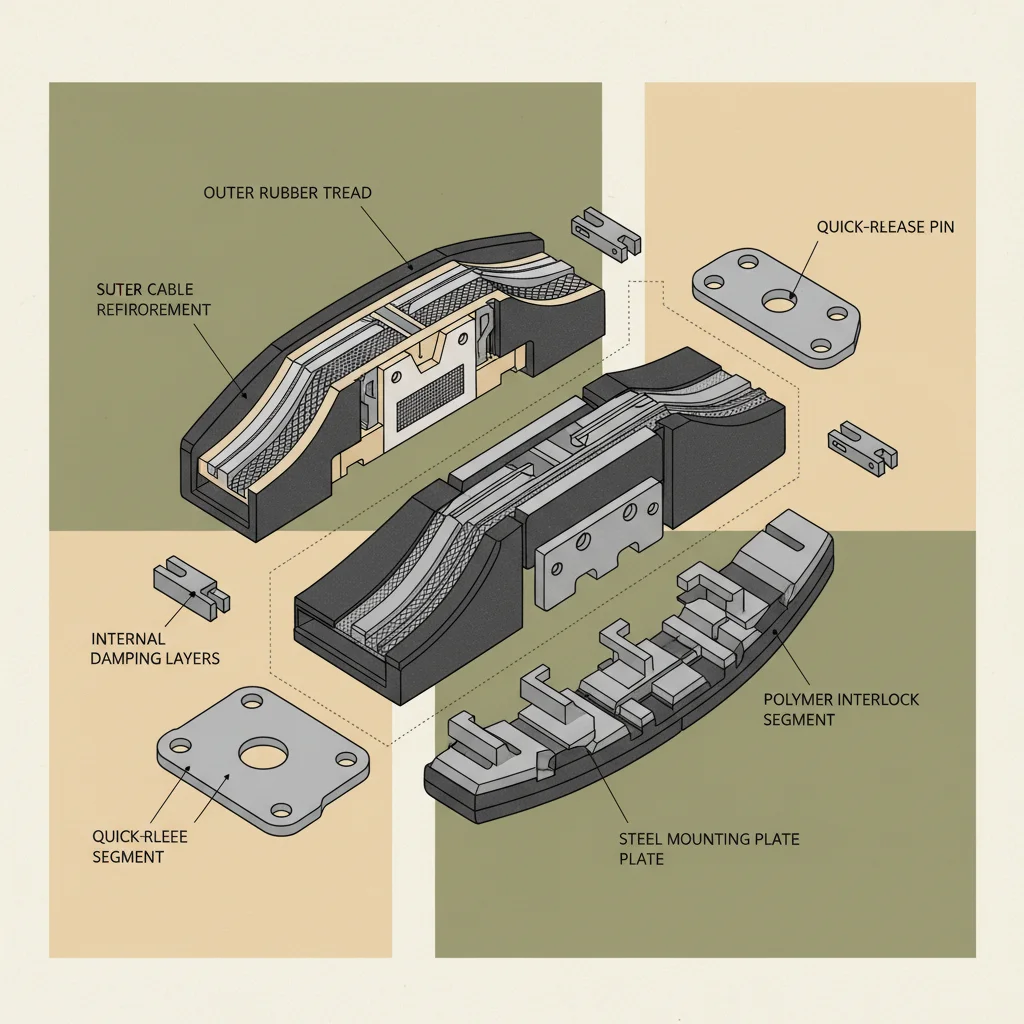
For instance, Xuzhou Crafts Machinery Equipment Co., Ltd. utilizes a 10,000㎡ facility specifically for excavator and skid steer attachments, ensuring that the heavy welding and machining required for buckets and grapples do not interfere with the precision molding required for road machinery buffers. This structural separation prevents cross-contamination of production standards and allows for optimized workflow in high-volume B2B supply chains.
Critical Technical Specifications for Attachment Selection
The longevity of an attachment is determined by its material composition and its ability to handle the hydraulic pressures of the carrier machine. Professional suppliers offer a range of steel grades to match the intensity of the work. For general purpose tasks, Q355 may suffice, but for extreme-duty rock buckets or demolition tools, high-strength alloys like Hardox 450 or NM400 are necessary to prevent premature wear and deformation.
Beyond materials, hydraulic compatibility is paramount. Buyers must verify the required oil flow (lpm) and working pressure (kg/cm²) to ensure the attachment operates at peak efficiency without overheating the excavator's hydraulic system. A mismatch here can lead to sluggish performance or catastrophic seal failure in hydraulic breakers and compactors.
Matching Attachments to Specific Application Scenarios
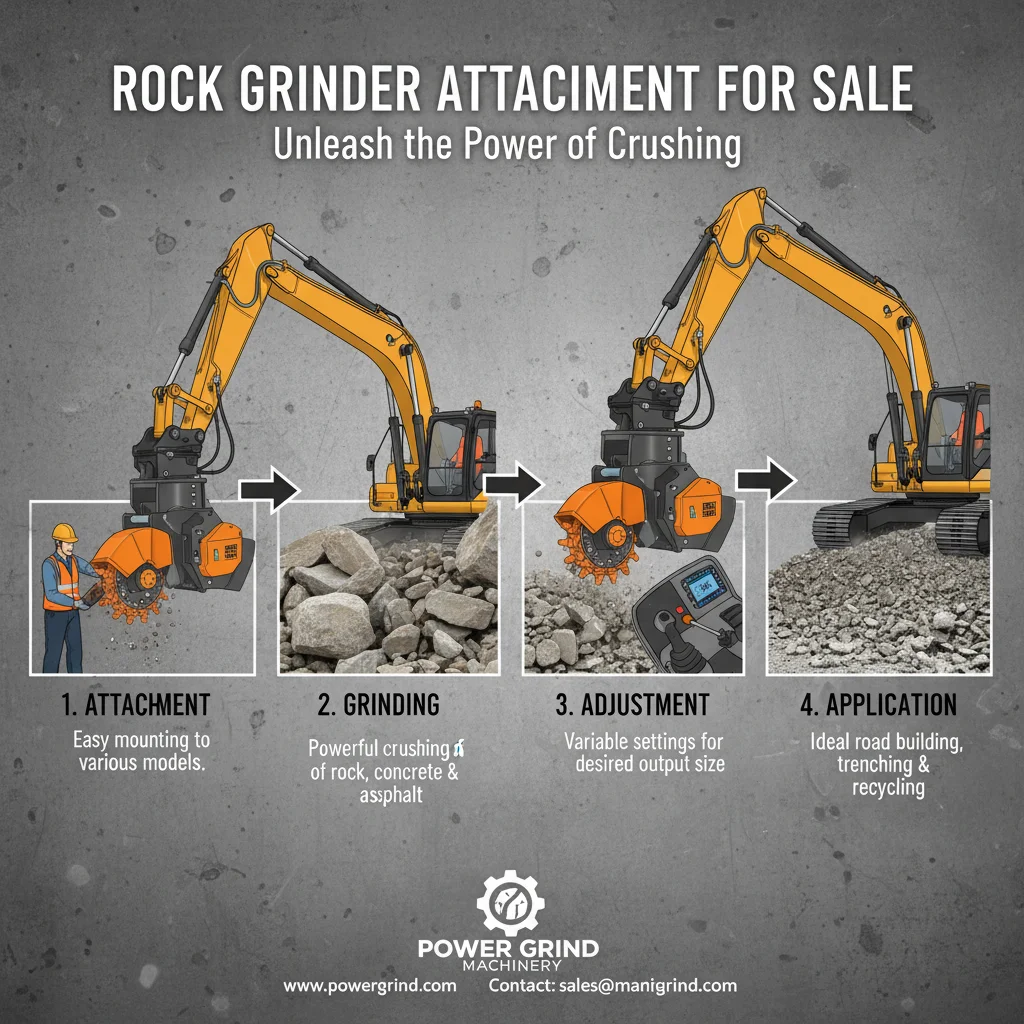
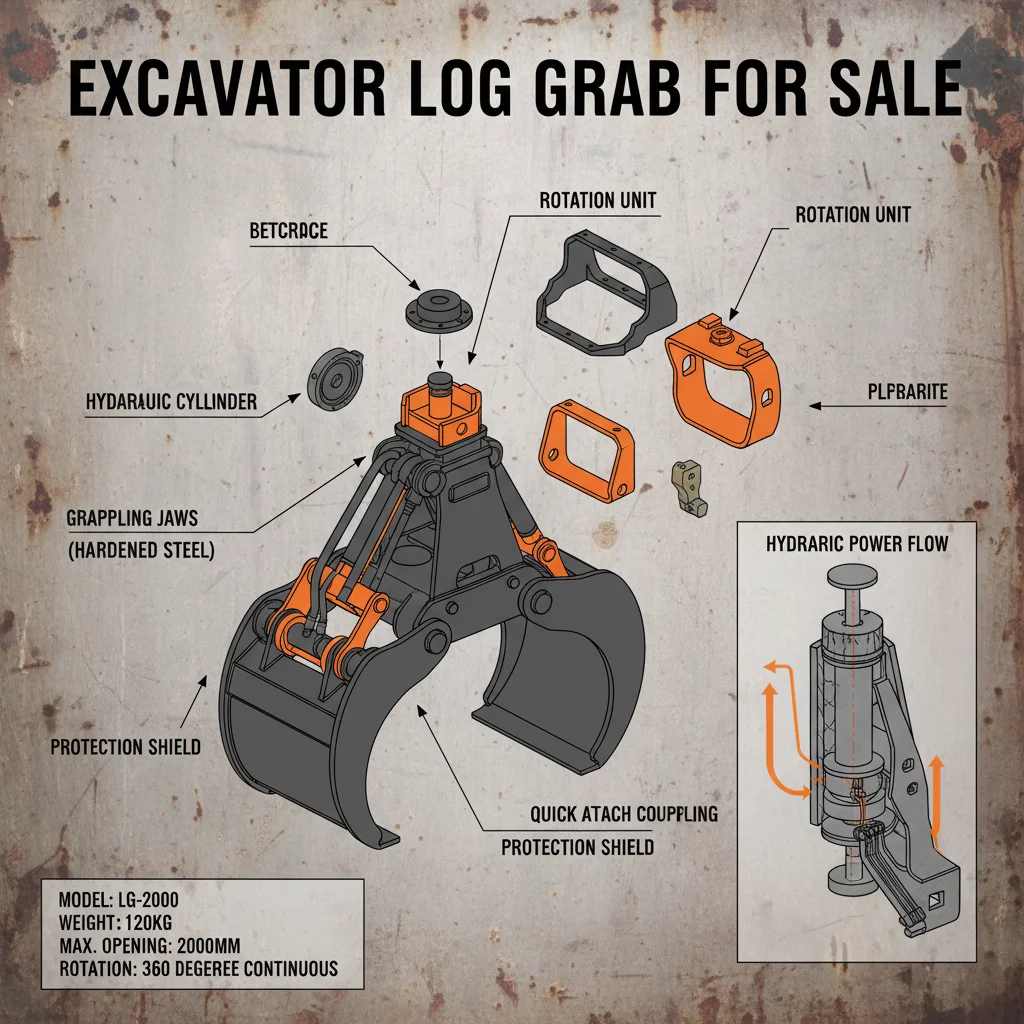
Selecting the wrong tool for a specific geological or structural condition drastically reduces ROI. In urban demolition, concrete pulverizers and hydraulic breakers are indispensable for breaking reinforced concrete without causing excessive vibration. Conversely, in land clearing and agricultural work, grass grapples and skeleton buckets provide the necessary selectivity to remove organic debris while leaving soil intact.
For specialized environments, such as wetland construction, amphibious excavators equipped with wide-track configurations are required. In these cases, the attachment must be lightweight yet durable to avoid sinking the carrier, while still providing enough breakout force for dredging or canal cleaning operations.
Analyzing Performance Indicators Across Tool Categories
Different attachments prioritize different performance metrics. While a GP bucket is evaluated on capacity and cycle time, a hydraulic compactor is measured by its impulse force and vibration frequency. Understanding these relative priorities helps buyers compare different supplier offerings using a normalized framework rather than just price.
The above illustrative framework demonstrates the relative priority of key performance indicators (KPIs) across common tool types. Durability is a universal requirement, but specific tools like hydraulic breakers place a much higher premium on impact force and energy transfer efficiency than a grading bucket would.
The Role of Quick Couplers in Operational Flexibility
The efficiency of an attachment is only as good as the speed at which it can be deployed. Modern excavator attachments suppliers provide various coupling systems, including Wedge Lock, Pin-on, and S-Style. A high-quality hydraulic quick coupler allows the operator to switch tools from the cabin, reducing idle time and eliminating the safety risks associated with manual pin removal.
When sourcing couplers, buyers should ensure the system is compatible with the carrier's hydraulic circuitry and that the locking mechanism is robust enough to withstand the lateral forces encountered during heavy ripping or lifting. A failure in the coupler can lead to the accidental drop of a heavy attachment, resulting in severe equipment damage or site injury.
Common Procurement Risks and Quality Red Flags
A common risk when dealing with low-cost suppliers is the use of inferior weldments or non-standardized steel. Red flags include a lack of detailed technical drawings, vague material certifications, or a "one-size-fits-all" approach to bucket widths and weights. Attachments that are too heavy for the machine's lift capacity can cause stability issues and premature wear on the boom and arm pins.
Furthermore, the absence of a comprehensive spare parts list is a significant risk. For complex tools like hydraulic breakers, the ability to source specific O-rings, seal kits, and bushings quickly is the difference between a few hours of downtime and a week of lost productivity. Reliable suppliers provide a full breakdown of components for every model they sell.
Supplier Selection Framework for Long-term Partnerships
The transition from a transactional purchase to a strategic partnership requires a structured evaluation of the supplier's ecosystem. Beyond the product itself, the supplier's ability to integrate with other manufacturers—such as forming alliances to provide a full range of road pavement spare parts—adds significant value by reducing the buyer's sourcing complexity.
| Evaluation Dimension | Standard Supplier | Premium Partner | Strategic Impact |
|---|---|---|---|
| Material Transparency | Generic Steel | Certified Hardox/NM400 | Reduced Wear Rate |
| Compatibility | Basic Fit | Brand-Specific Matching | Zero Installation Delay |
| Product Range | Single Category | Multi-tool Ecosystem | Simplified Procurement |
| Support Level | Post-sale only | Application Engineering | Optimized Tool Usage |
| Parts Availability | Limited/Generic | Detailed Component Lists | Minimized Downtime |
| Manufacturing | General Workshop | Specialized Facilities | Consistent Quality |
By applying this framework, procurement managers can shift their focus from the lowest initial price to the lowest total cost of ownership (TCO), considering the lifespan, maintenance frequency, and operational versatility of the attachments provided.
Frequently Asked Questions
The choice depends on the abrasiveness of the material. For soft soil or sand, Q355 is usually sufficient. For gravel, limestone, or demolition debris, NM400 or Hardox 450 is recommended to resist impact and abrasion.
The attachment will operate sluggishly or fail to reach its rated impulse force. In extreme cases, it can cause the hydraulic pump to overheat or trigger pressure relief valves, leading to inefficient fuel consumption.
Yes, provided the attachments are designed with the same coupling interface (e.g., Wedge Lock or S-Style). Suppliers often offer various mounting options to ensure tools from different series can fit a single coupler.
Daily inspections for leaks and grease points are mandatory. For high-impact tools like breakers, internal seal and bushing checks should be conducted every 200-500 operating hours depending on the intensity of the work.
GP buckets are designed for general excavation in loose soil. Rock buckets feature reinforced shells, thicker wear plates, and heavy-duty teeth to penetrate and lift abrasive materials without warping the bucket body.
Excessive weight shifts the machine's center of gravity, reducing lifting capacity and increasing the risk of tipping. It also puts additional stress on the boom cylinders and pins, accelerating mechanical wear.
Conclusion
The selection of excavator attachments suppliers should be a data-driven process that prioritizes material certification, hydraulic compatibility, and manufacturing specialization. By moving beyond initial price points and evaluating the total operational impact—including downtime risks and tool versatility—companies can significantly increase the productivity of their heavy equipment fleet.
For organizations seeking cost-effective and durable solutions across buckets, grapples, and hydraulic tools, professional technical specifications and supplier capabilities can be reviewed at www.crafts-mfg.com to ensure a precise match for specific project requirements.