High-Performance hydraulic tilt bucket Solutions for Japan's Infrastructure

Precision-engineered attachments and undercarriage components designed to meet the rigorous demands of Japanese construction and mining standards.

High-Performance hydraulic tilt bucket Solutions for Japan's Infrastructure

Optimizing excavator efficiency across Japan's diverse terrains with world-class precision attachments and durable wear parts.

Current State of Construction Machinery Attachments in Japan

Analyzing the intersection of urban density and geological volatility in the Japanese market.

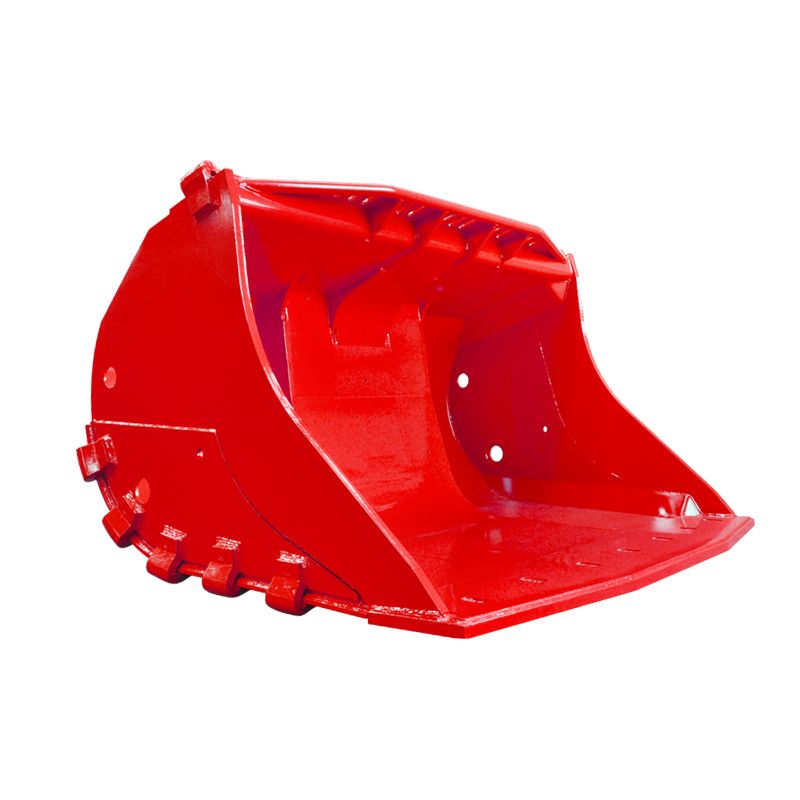
Japan's construction sector operates under unique constraints, characterized by extreme urban density and frequent seismic activity. This environment demands high-precision equipment like the Excavator Bucket, where versatility and minimal footprint are prioritized over sheer bulk to operate within narrow Tokyo or Osaka city streets.

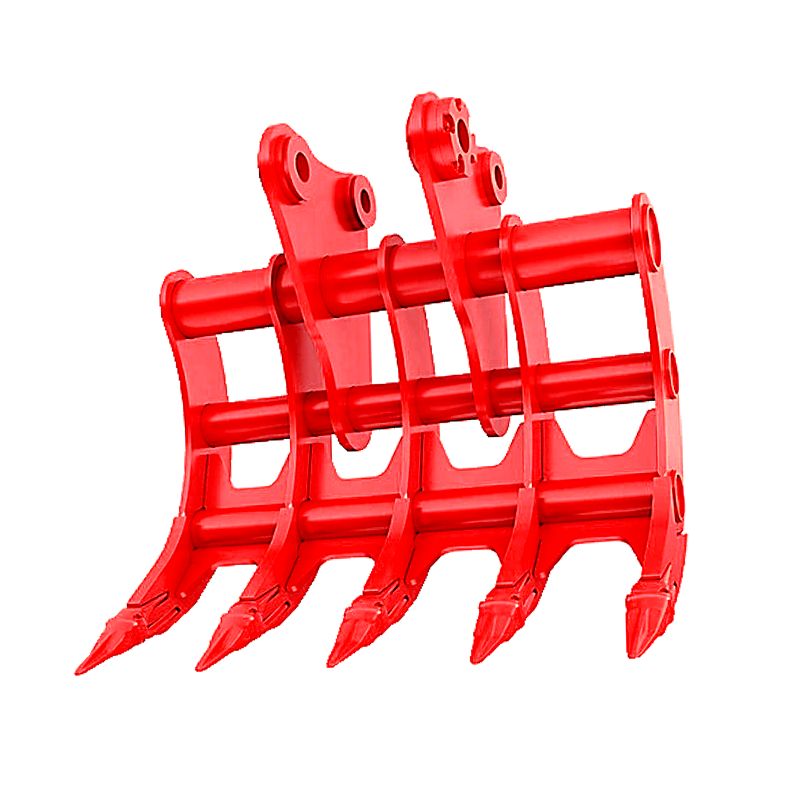
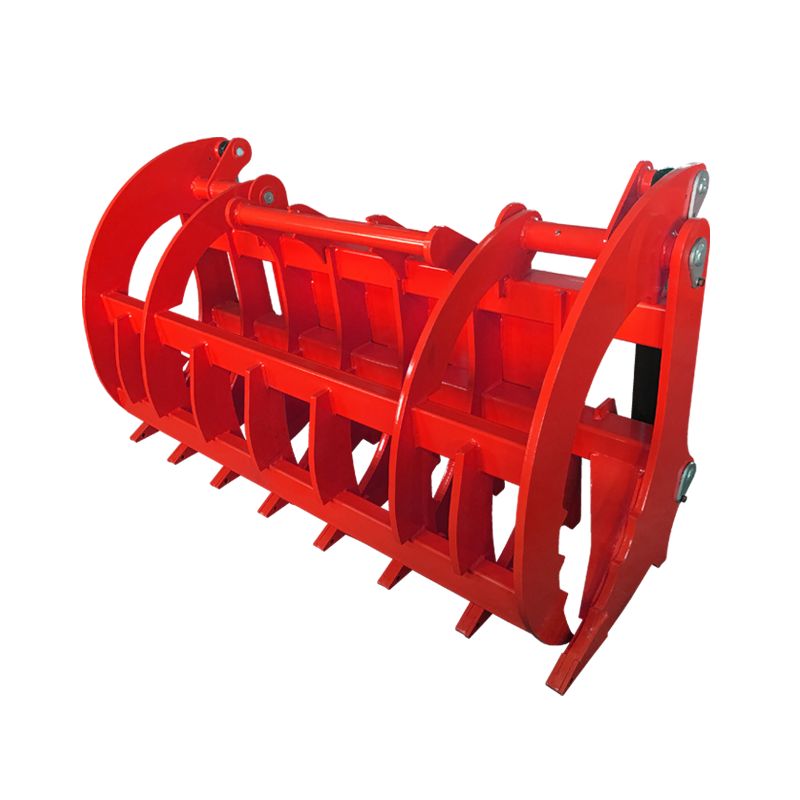
The prevalence of mountainous terrain and volcanic soil necessitates specialized tools for slope stabilization and forestry. Consequently, the adoption of the excavator brush rake has grown significantly to manage land clearing and debris removal following heavy rainfall and landslide risks common in the region.

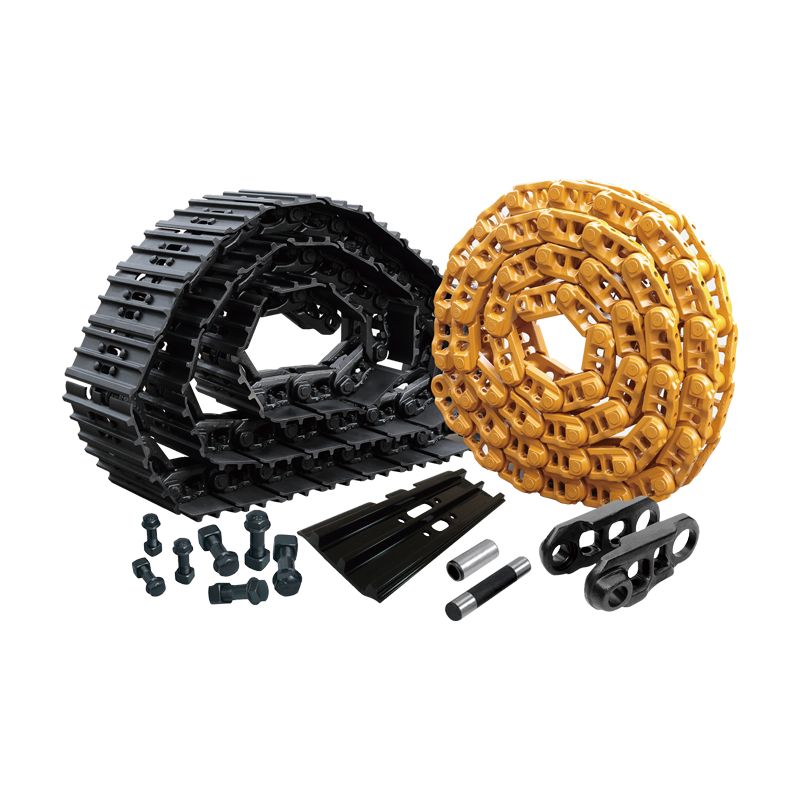
Furthermore, the Japanese market emphasizes "zero-downtime" logistics. The demand for high-durability undercarriage parts, specifically the bottom roller, is driven by the need for components that can withstand continuous operation in abrasive environments without requiring frequent maintenance intervals.
Evolution and Technical Trajectory of Excavator Components

From mechanical simplicity to hydraulic intelligence.

Market Development History

In the 1990s, the Japanese market relied heavily on fixed-geometry buckets and basic mechanical linkages. The focus was on material strength and basic reliability for large-scale public works and dam constructions.

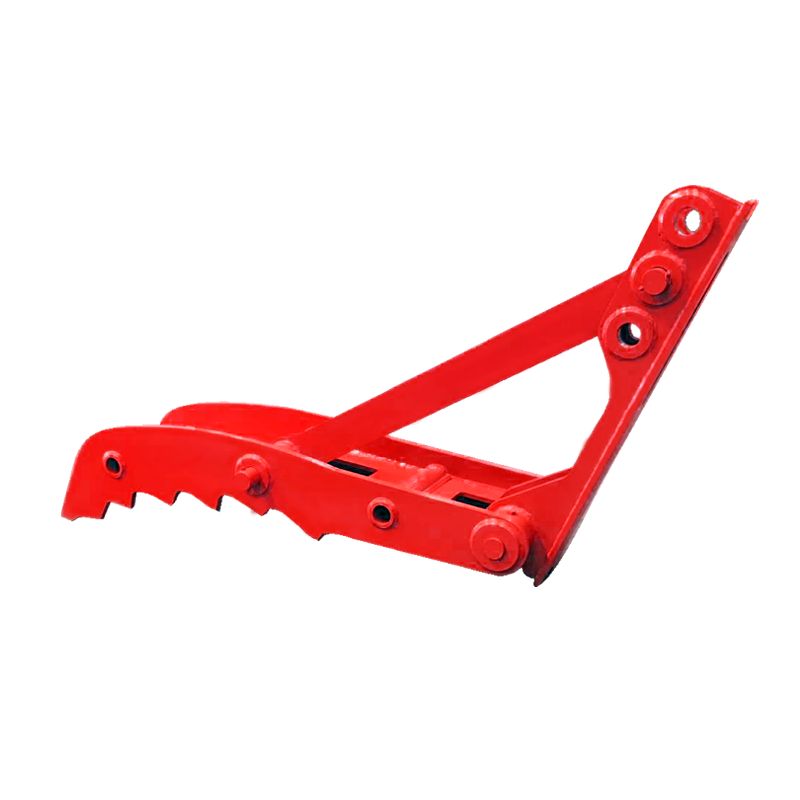
Between 2005 and 2015, a shift toward "precision excavation" occurred. This era saw the introduction of advanced hydraulic systems, leading to the widespread adoption of the hydraulic thumb, allowing operators to handle materials with human-like dexterity for demolition and recycling tasks.

From 2016 to the present, the integration of IoT and smart hydraulics has redefined efficiency. The transition from standard buckets to the hydraulic tilt bucket represents this evolution, enabling precise grading and ditching without repositioning the entire machine.

Future Development Trends

Autonomous Grading Integration

Integration of GPS and 3D machine control systems to automate the angle of tilt attachments for millimeter-perfect slope creation.

Eco-friendly Material Science

Development of carbon-neutral steel alloys for undercarriage components to reduce the overall carbon footprint of the machinery lifecycle.

Smart Wear Monitoring

Embedded sensors in wear parts to provide real-time telemetry on component degradation, shifting from scheduled to predictive maintenance.

Industry Trends and Future Outlook

Strategic forecasting for the next 3-5 years in the Japanese machinery sector.

Hybrid Power Systems
Transition toward electric and hybrid excavators to meet Japan's strict urban emission standards.
Precision Hydraulics
Increased demand for multi-axis movement and ultra-smooth hydraulic flow control.
Compact Modularization
Development of quick-change attachment systems to maximize machine utility in tight spaces.
Predictive Maintenance
Shift toward AI-driven wear analysis for undercarriage and bucket teeth replacements.

Industry Outlook

Based on recent search trend data and market analysis, the Japanese industry is moving toward a "sustainability-first" model. This involves not only reducing emissions but extending the operational life of components through superior metallurgy and precision engineering.

The future will be dominated by the synergy between human operators and semi-autonomous attachments, reducing the labor shortage impact in the Japanese construction sector while increasing the safety of high-risk operations.

Localized Application Scenarios in Japan

Real-world deployments across diverse Japanese geographical contexts.

01. Tokyo Urban Renewal Projects

Utilizing the hydraulic tilt bucket for precise foundation work in extremely narrow alleys, ensuring zero damage to adjacent historical structures.

02. Hokkaido Forestry Management

Deploying the excavator brush rake for efficient snow-debris clearing and land preparation in northern forest zones.

03. Fuji Mountainous Slope Stabilization

Integrating the hydraulic thumb for rock placement and retaining wall construction to prevent landslides during monsoon seasons.

04. Nagoya Industrial Site Grading

Applying heavy-duty Excavator Bucket setups for rapid site leveling in large-scale automotive manufacturing expansions.

05. Osaka Harbor Dredging and Maintenance

Using reinforced bottom roller systems to ensure undercarriage longevity in salt-corrosive and sandy coastal environments.

Brand Story

Global Development Journey of Xuzhou Crafts Mechanical Equipment Co., Ltd.

Foundation of Excellence

Established with a vision to bridge the gap between raw industrial power and precision engineering in the construction machinery sector.

Technological Breakthroughs

Invested heavily in R&D to solve the pain point of premature wear in undercarriage parts, creating the next generation of durable rollers.

Global Market Expansion

Successfully penetrated the high-standard Japanese market by aligning product specifications with JIS (Japanese Industrial Standards).

Quality Certification

Achieved international quality benchmarks, ensuring that every attachment delivered meets rigorous stress and load tests.

Sustainable Future

Currently pioneering "green steel" initiatives to provide the global construction industry with eco-friendly, high-performance solutions.

Common Questions for Japanese Operators

Expert answers to technical and operational queries.

How does a hydraulic tilt bucket improve grading efficiency in urban Japan?

It allows the operator to tilt the bucket independently of the excavator's position, significantly reducing the need for machine repositioning in tight city spaces.

What is the expected lifespan of a bottom roller in abrasive volcanic soil?

Our reinforced rollers use heat-treated alloys and advanced sealing technology to extend life by 30% compared to standard components in abrasive terrains.

Can an excavator brush rake be used for both forestry and snow removal?

Yes, the versatile tines are designed to clear brush and debris, and they are equally effective for clearing heavy snow and ice from roadside embankments.

Is the hydraulic thumb compatible with most Japanese excavator brands?

Our thumbs are designed with universal mounting plates and customizable hydraulic fittings to fit major brands common in Japan.

Which Excavator Bucket geometry is best for narrow-trenching in residential areas?

Narrow grading buckets with a reinforced lip are recommended to minimize ground disturbance while maximizing digging depth.

How to maintain hydraulic attachments in high-humidity coastal regions?

We recommend using anti-corrosive coatings and ensuring daily cleaning of hydraulic cylinders to prevent salt-air oxidation.

Ready to Optimize Your Fleet?

Contact our engineering team today for customized attachment solutions tailored specifically for the demands of Japan.

Contact Us Now

If you are interested in our products, you can choose to leave your information here, and we will be in touch with you shortly.

  • captcha