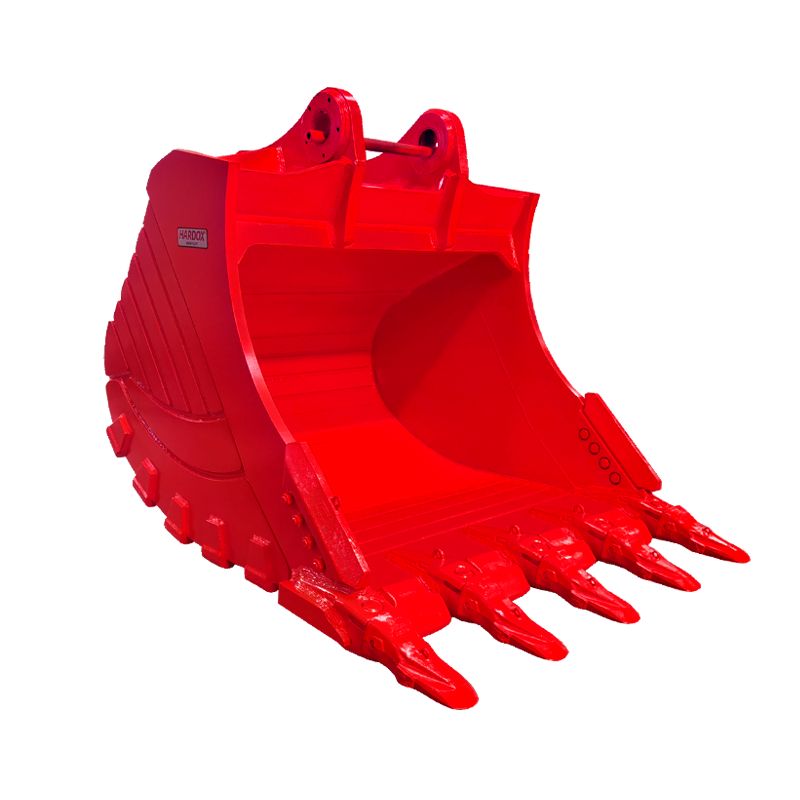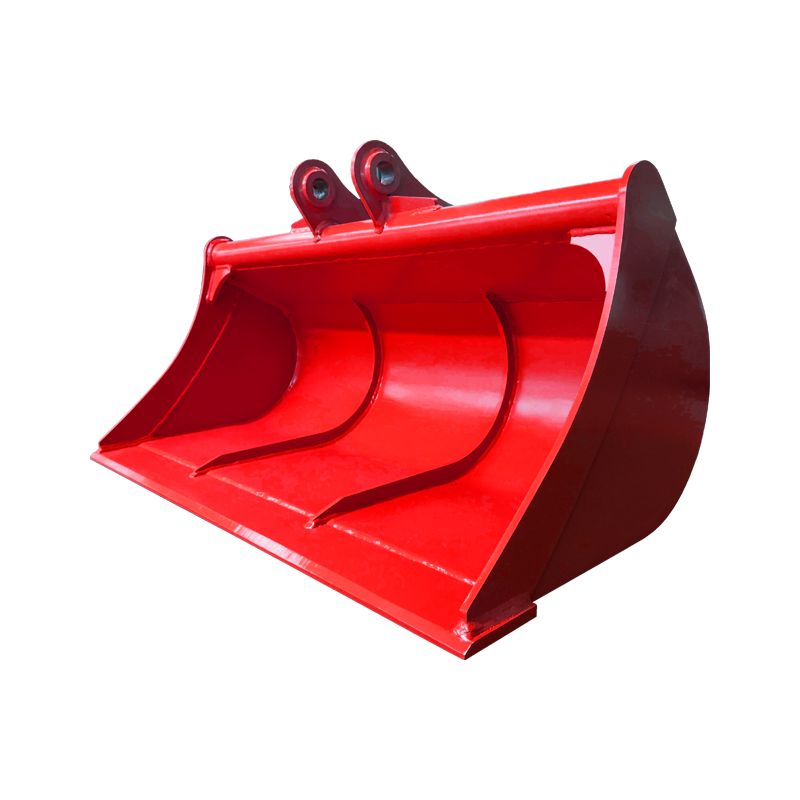
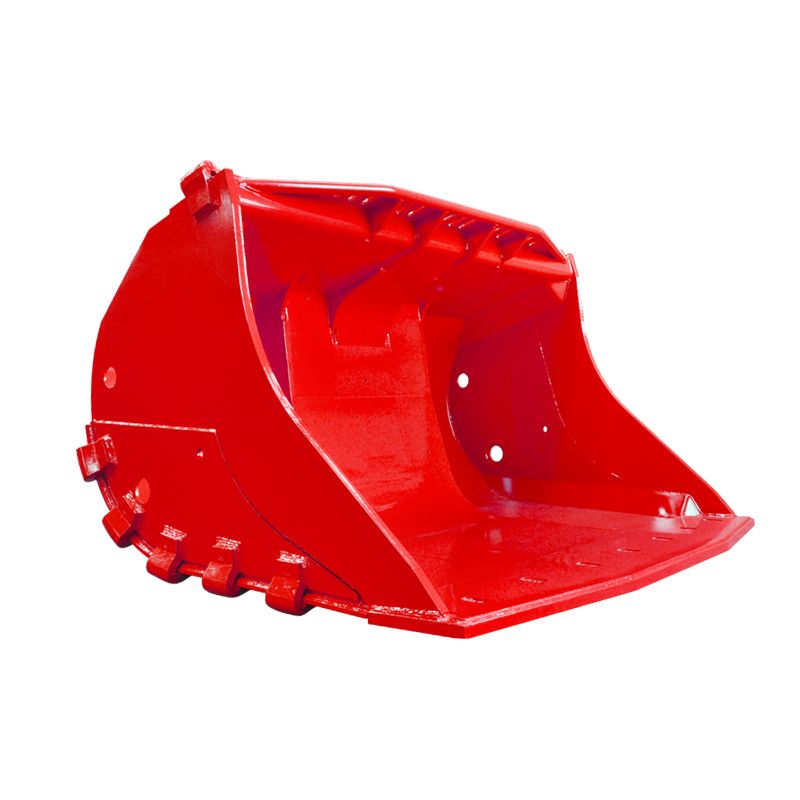
Portugal's construction industry is currently navigating a shift toward specialized urban infrastructure and sustainable roadwork. The abrasive nature of granite and schist common in the northern regions puts immense pressure on the bottom roller and bucket edges, necessitating high-hardness alloy steels to prevent premature wear.
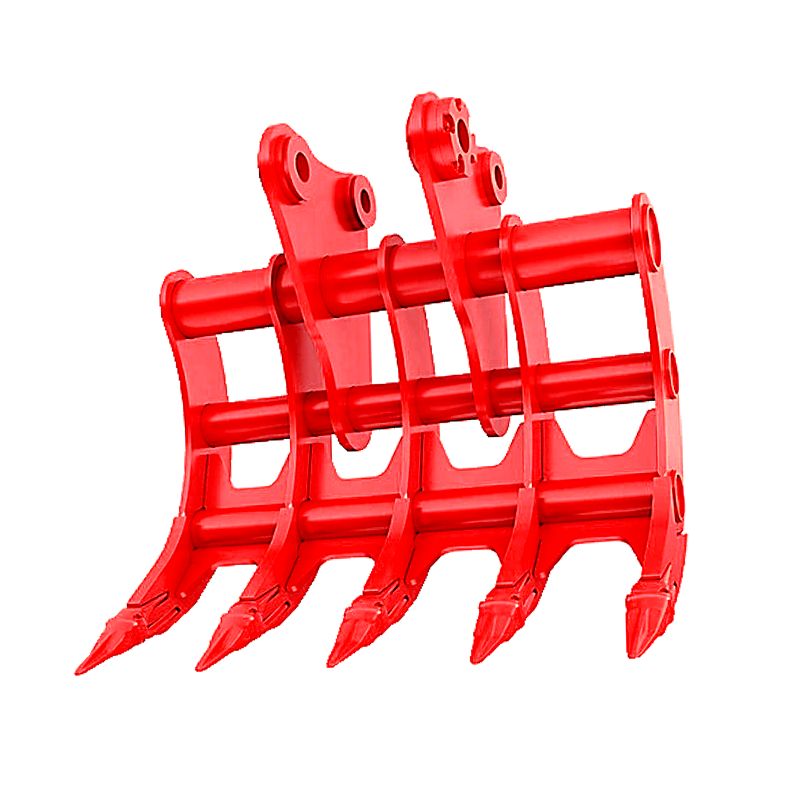
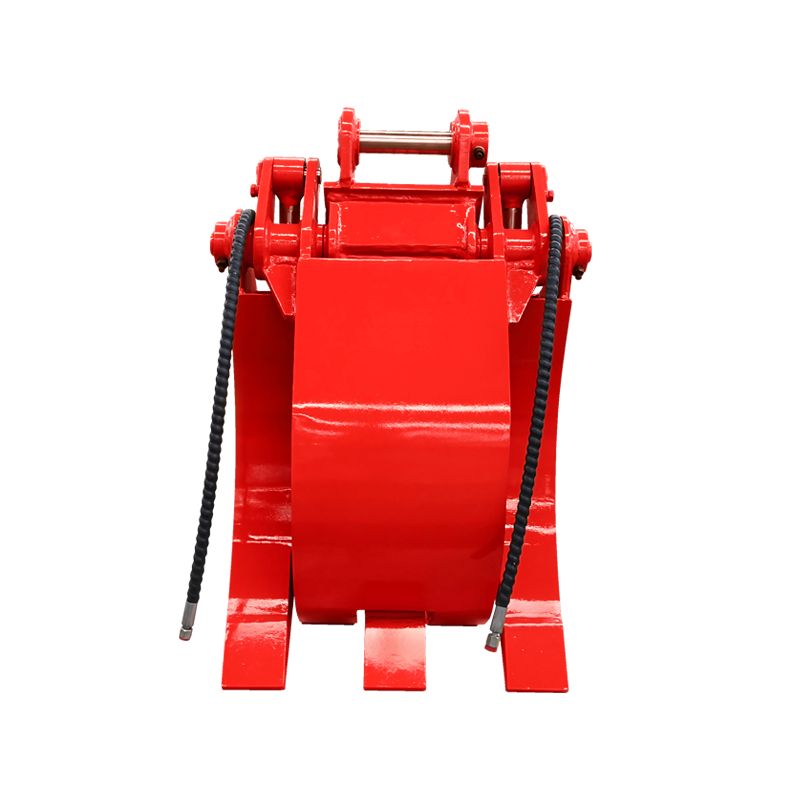
In the agricultural and forestry sectors of Central Portugal, there is an increasing demand for versatile tools. Operators are moving away from static attachments toward the excavator brush rake to manage biomass and clear land more efficiently, aligning with EU environmental directives for sustainable land management.
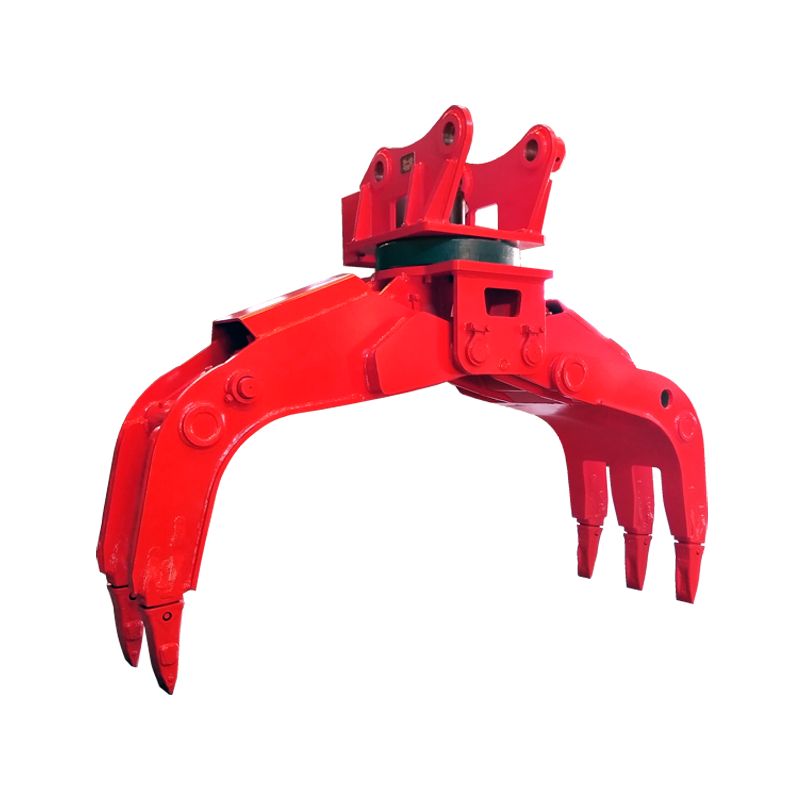
Furthermore, the tight urban spaces in Lisbon and Porto require extreme precision. The adoption of the hydraulic thumb has become essential for demolition and recycling projects, allowing operators to handle debris with surgical accuracy while maintaining high safety standards.