- afrikaans
- albanian
- amharic
- arabic
- armenian
- assamese
- aymara
- azerbaijani
- bambara
- basque
- belarusian
- bengali
- bhojpuri
- bosnian
- bulgarian
- burmese
- catalan
- cebuano
- corsican
- creole
- croatian
- czech
- danish
- deutsch
- dhivehi
- dogrid
- dutch
- english
- estonian
- ewe
- filipino
- finnish
- french
- frisian
- galician
- georgian
- greek
- guarani
- gujarati
- haitian_creole
- hausa
- hawaiian
- hebrew
- hindi
- hungarian
- icelandic
- igbo
- indonesian
- irish
- italian
- japanese
- kannada
- khmer
- kinyarwanda
- korean
- kurdish
- kurdish_sorani
- kyrgyz
- lao
- latin
- latvian
- lithuanian
- luganda
- luxembourgish
- macedonian
- maithili
- malay
- malayalam
- maltese
- maori
- marathi
- nepali
- norwegian
- nyanja
- oromo
- pashto
- persian
- polish
- portuguese
- punjabi
- quechua
- romanian
- russian
- samoan
- sanskrit
- scottish_gaelic
- shona
- sindhi
- singapore
- slovak
- slovene
- somali
- spanish
- swahili
- swedish
- tajik
- tamil
- tatar
- telugu
- thai
- turkish
- turkmen
- twi
- ukrainian
- urdu
- vietnamese
- welsh
- yiddish
- yoruba
In the competitive landscape of modern construction and demolition, the versatility of machinery often determines the profitability of a project. adding hydraulic thumb to excavator transforms a standard digging tool into a precision gripping instrument, allowing operators to handle irregular debris, logs, and boulders with ease. This upgrade is no longer just an optional luxury but a strategic necessity for contractors seeking to maximize their equipment's utility.
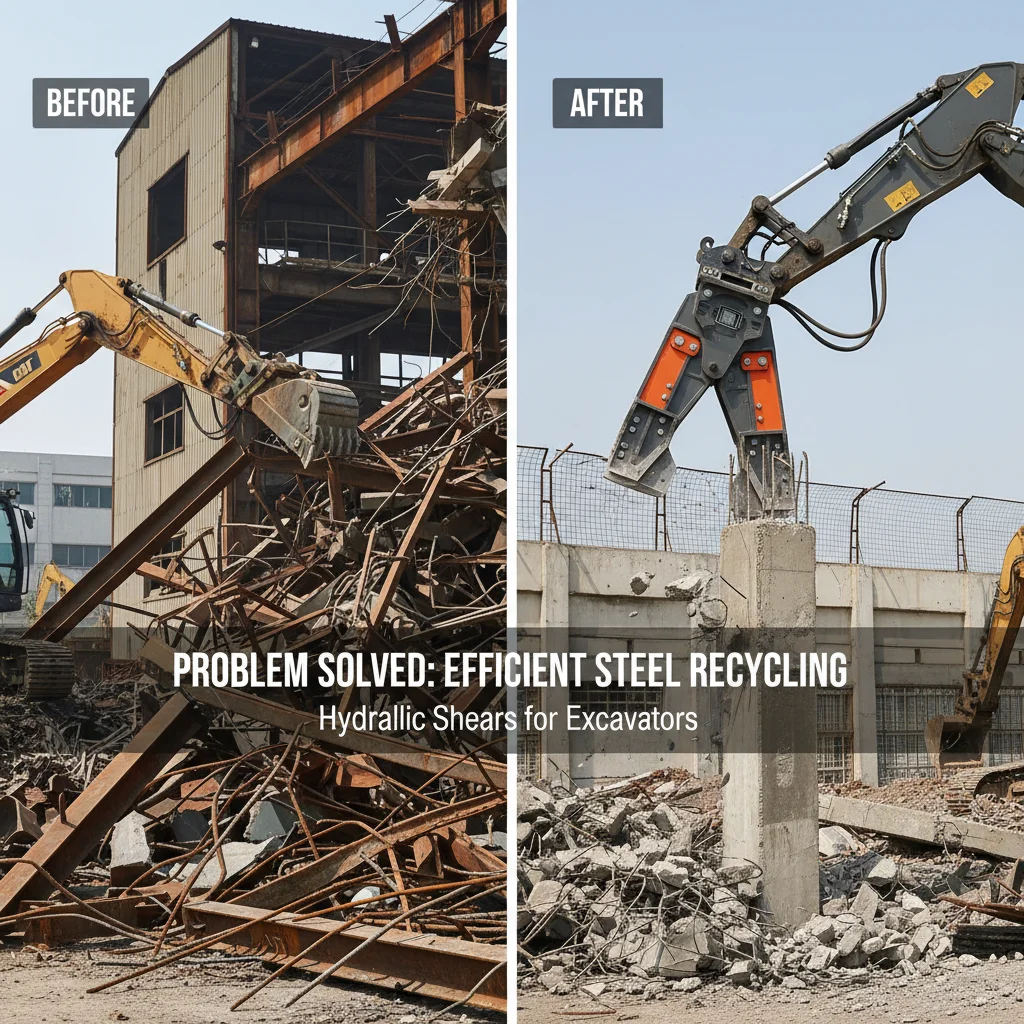
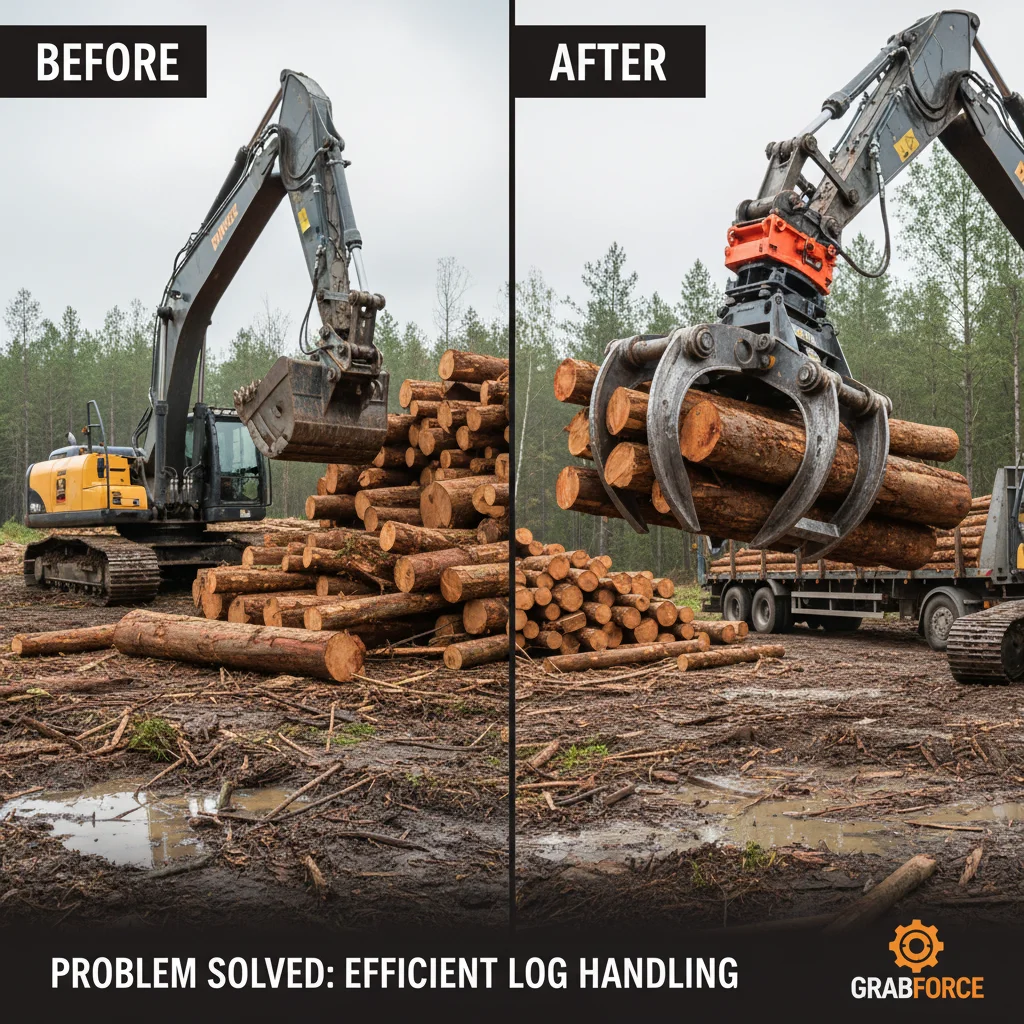
Across the globe, the demand for specialized excavator attachments has surged as urban infrastructure projects become more complex. By integrating a hydraulic thumb, operators can perform tasks that previously required multiple machines or manual labor, significantly reducing cycle times and increasing site safety. Whether it is sorting recyclable materials or clearing land for new developments, the ability to grasp and move objects precisely is a game-changer.
Understanding the technical nuances and installation requirements of adding hydraulic thumb to excavator is essential for ensuring long-term durability and machine performance. From choosing the right hydraulic circuitry to selecting high-strength steel alloys, every detail impacts the efficiency of the operation. This guide explores the global industry context, technical components, and the long-term value this modification brings to the heavy machinery sector.
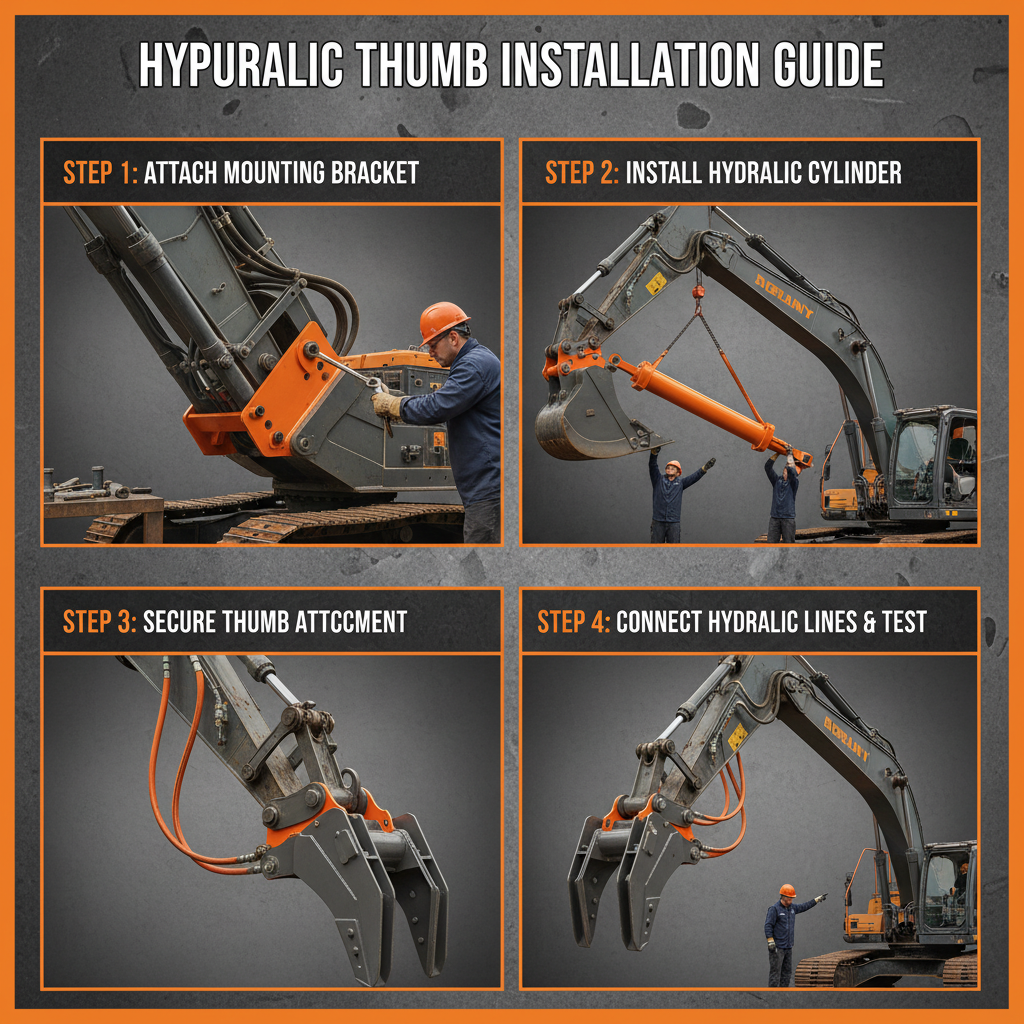
Global Relevance of Adding Hydraulic Thumb to Excavator
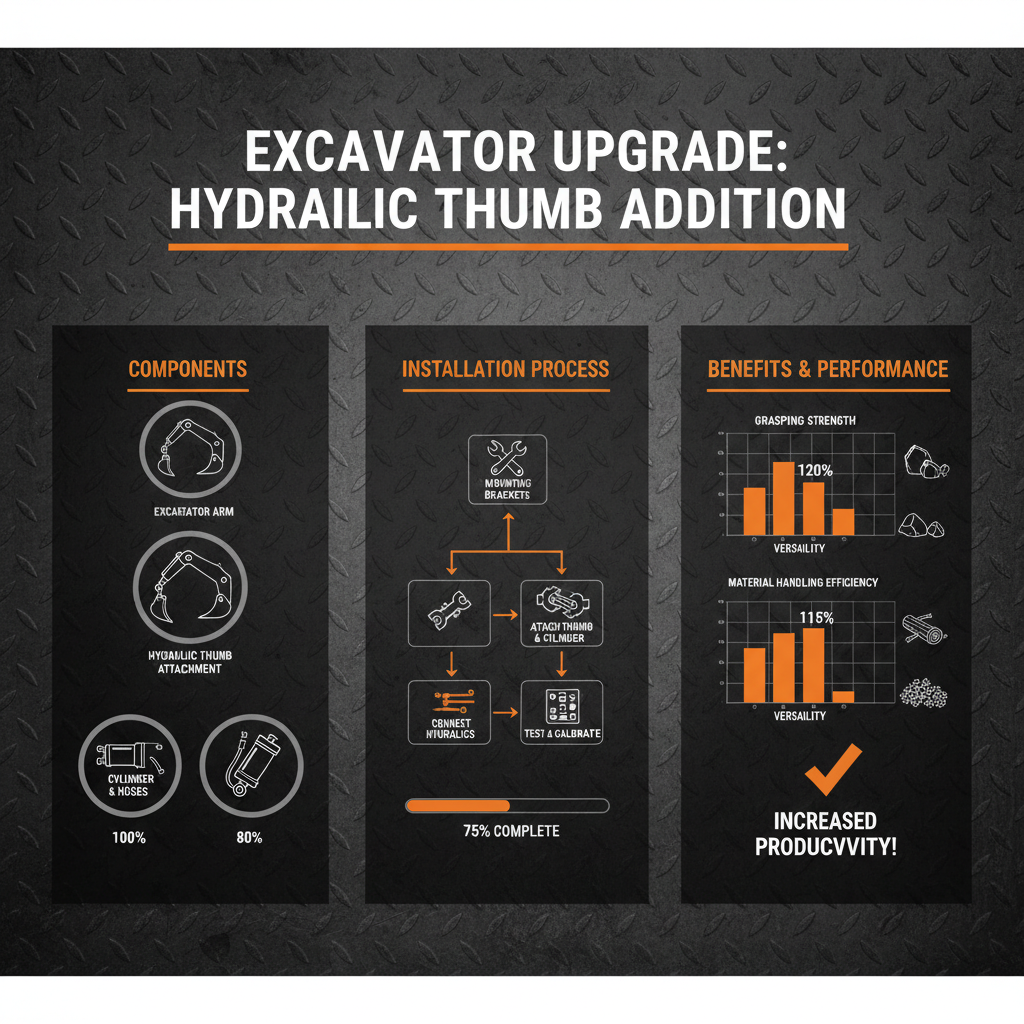
On a global scale, the construction industry is pivoting toward "multi-functional" assets to combat rising labor costs and stringent project timelines. The practice of adding hydraulic thumb to excavator aligns with ISO standards for machinery safety and efficiency, providing a mechanical solution to the challenge of material handling in volatile environments. In regions like North America and Europe, where demolition and recycling are heavily regulated, the precision offered by a thumb attachment is critical for separating waste streams at the source.
Moreover, in emerging markets across Asia and Africa, where infrastructure growth is rapid, the ability to adapt a single machine for multiple roles—from trenching to forestry—reduces the capital expenditure required for fleet procurement. This adaptability ensures that equipment remains productive across different project phases, reducing idle time and maximizing the return on investment for fleet owners.
FAQS
It depends on the installation method. OEM-approved kits usually maintain the warranty. However, custom weld-on modifications to the boom or arm may void certain structural warranties. We recommend using certified installation partners and documenting the process to ensure you remain covered by the manufacturer's guidelines.
Costs vary based on the machine size and the type of thumb (bolt-on vs. weld-on). Generally, the investment includes the hardware, hydraulic lines, and labor. While the upfront cost can be significant, the increase in machine versatility usually results in a full return on investment within a few months of active use in demolition or forestry.
Yes, most older excavators can be retrofitted. The primary requirement is having an auxiliary hydraulic circuit. If your machine lacks one, a custom hydraulic pump and valve system can be installed. Many operators find that adding a thumb is the most cost-effective way to modernize an old machine and make it competitive again.
A mechanical thumb is usually operated by a cable or a fixed position, offering limited control. A hydraulic thumb is controlled directly from the cab via the machine's hydraulic system, providing far greater precision, stronger gripping force, and faster operation, which is essential for professional-grade demolition and material handling.
Regular grease application to the pivot pins is required daily or every few shifts. Additionally, hydraulic hoses should be inspected weekly for wear or leaks. Because the thumb is a high-stress component, checking for hairline cracks in the welds every month is recommended to prevent catastrophic failure during heavy lifts.
Cast steel is generally superior for extreme heavy-duty applications due to its uniform strength and resistance to fatigue. Fabricated (welded) steel is more common and easier to repair in the field. For most construction tasks, high-grade fabricated steel is sufficient, but for quarrying, cast options are preferred.
Conclusion
Integrating a hydraulic thumb is one of the most impactful upgrades a machine owner can make, evolving a simple digger into a sophisticated material handling tool. By improving operational efficiency, enhancing site safety, and expanding the range of billable services, adding hydraulic thumb to excavator delivers long-term economic and practical value. From the precision required in urban demolition to the ruggedness needed in forestry, this attachment optimizes the synergy between man and machine.
As the industry moves toward smarter, greener, and more autonomous equipment, the evolution of hydraulic attachments will continue to drive productivity. We encourage fleet managers and owner-operators to evaluate their current equipment utilization and consider the strategic advantages of this modification. For those looking to upgrade their machinery with precision-engineered components, we invite you to explore our professional solutions. Visit our website: www.crafts-mfg.com