When searching for reliable excavator bucket suppliers, procurement managers prioritize a balance between material strength and operational versatility. The right supplier does not merely provide a metal shell but delivers a precision-engineered tool designed to maximize the breakout force and cycle efficiency of various excavator brands.
In the demanding fields of mining and construction, the wear rate of attachments often dictates the total cost of ownership. Many operators struggle with premature bucket failure due to improper material selection or poor weld quality, leading to unexpected downtime and increased maintenance overheads in high-abrasion environments.
This guide provides a technical analysis of how to evaluate excavator bucket suppliers, focusing on material specifications like AH36 and 6061T6, application-specific designs, and the critical factors that influence long-term productivity in soft and hard terrain projects.

1Evaluating Material Standards in Bucket Manufacturing

The foundation of any high-performance bucket lies in its metallurgical composition. Professional excavator bucket suppliers utilize specialized materials such as AH36 vessel steel and 6061T6 aluminum alloy to ensure high strength-to-weight ratios. This combination allows the equipment to withstand extreme impact loads without compromising the structural integrity of the chassis.
Material selection must be aligned with the intended work environment. For instance, buckets designed for dredging or amphibious work require specific corrosion resistance, whereas those used in quarrying require extreme-duty wear plates to prevent rapid thinning of the bucket floor.
Furthermore, the heat treatment process applied by the supplier significantly affects the hardness and ductility of the tool. Improperly tempered steel can lead to brittle fractures under cold weather conditions, making it essential to verify the supplier's quality control certifications.
2Critical Design Features for Enhanced Durability
Beyond materials, the geometry of the bucket determines its efficiency. Advanced design features, such as coining grooves on the pontoon side or reinforced ribs on the bucket back, distribute stress more evenly across the structure. This reduces the risk of fatigue cracking during heavy lifting operations.
Precision matching is another critical factor. A bucket that is not perfectly aligned with the excavator's hydraulic arm can cause uneven wear on the pins and bushings, eventually leading to premature failure of the entire attachment system.
Suppliers who offer customized spud lengths and adjustable widths allow operators to optimize their equipment for specific site conditions, whether it is narrow trenching or wide-scale land clearing, ensuring the tool operates within its ideal mechanical window.
3Application Scenarios: From Dredging to Heavy Excavation
The utility of excavator attachments varies wildly based on the terrain. Amphibious excavators, for example, are specifically designed for swampy areas and wetlands. Their low-ground pressure design enables them to float on water, making them indispensable for pond cleaning and environmental remediation projects.
In contrast, heavy-duty rock buckets are engineered with reinforced teeth and thicker side plates to penetrate hard strata. These tools must be capable of absorbing high-frequency shocks without bending the primary shell, requiring a different approach to structural reinforcement than a GP bucket.
For specialized tasks like ditching or grass cutting, the focus shifts to width and edge precision. Selecting a supplier that provides a wide range of options—from 1-ton to 200-ton excavator capacities—ensures that the operator has the exact tool required for the specific soil density and project scope.
4Comparative Performance Analysis of Bucket Grades
Analyzing the performance of different bucket grades reveals a clear correlation between material investment and operational lifespan. Standard GP buckets provide versatility but struggle in abrasive environments, whereas extreme-duty buckets maintain their profile significantly longer under the same load cycles.
Efficiency is measured not just by how much material is moved, but by the energy required to move it. A bucket with an optimized curvature reduces the drag coefficient during penetration, lowering fuel consumption and reducing the strain on the machine's hydraulic pumps.
excavator bucket suppliers Performance Metrics
As shown in the performance data, suppliers focusing on high-grade alloys and precision engineering consistently outperform industry averages in terms of durability and customization. This gap becomes more pronounced as the intensity of the application increases, particularly in mining operations.
5Procurement Criteria for Industrial-Grade Attachments
When sourcing from excavator bucket suppliers, procurement teams should look beyond the initial price tag and evaluate the Total Cost of Ownership (TCO). This includes assessing the ease of replacing wear parts, the availability of spare G.E.T. (Ground Engaging Tools) components, and the supplier's lead time for replacements.
Compatibility is a non-negotiable requirement. The attachment must match the excavator's pin dimensions and coupling system perfectly to avoid operational instability. A reputable supplier will offer a compatibility guarantee for major brands like CAT, Volvo, and Sany.
Additionally, the quality of the welding should be inspected. High-quality robotic welding ensures consistent penetration and minimizes the risk of stress-concentration points, which are common failure sites in low-cost, manually welded buckets.
6Technological Trends in Specialized Excavator Tooling
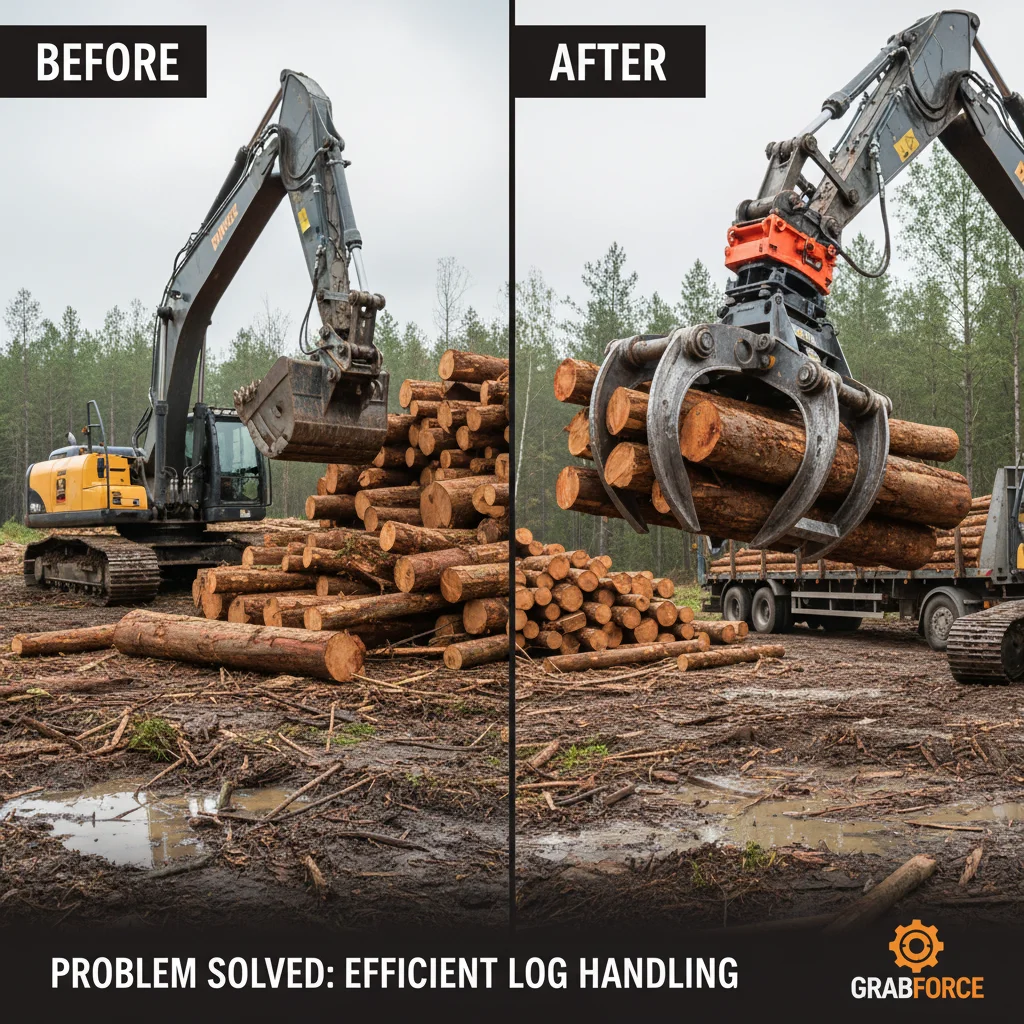
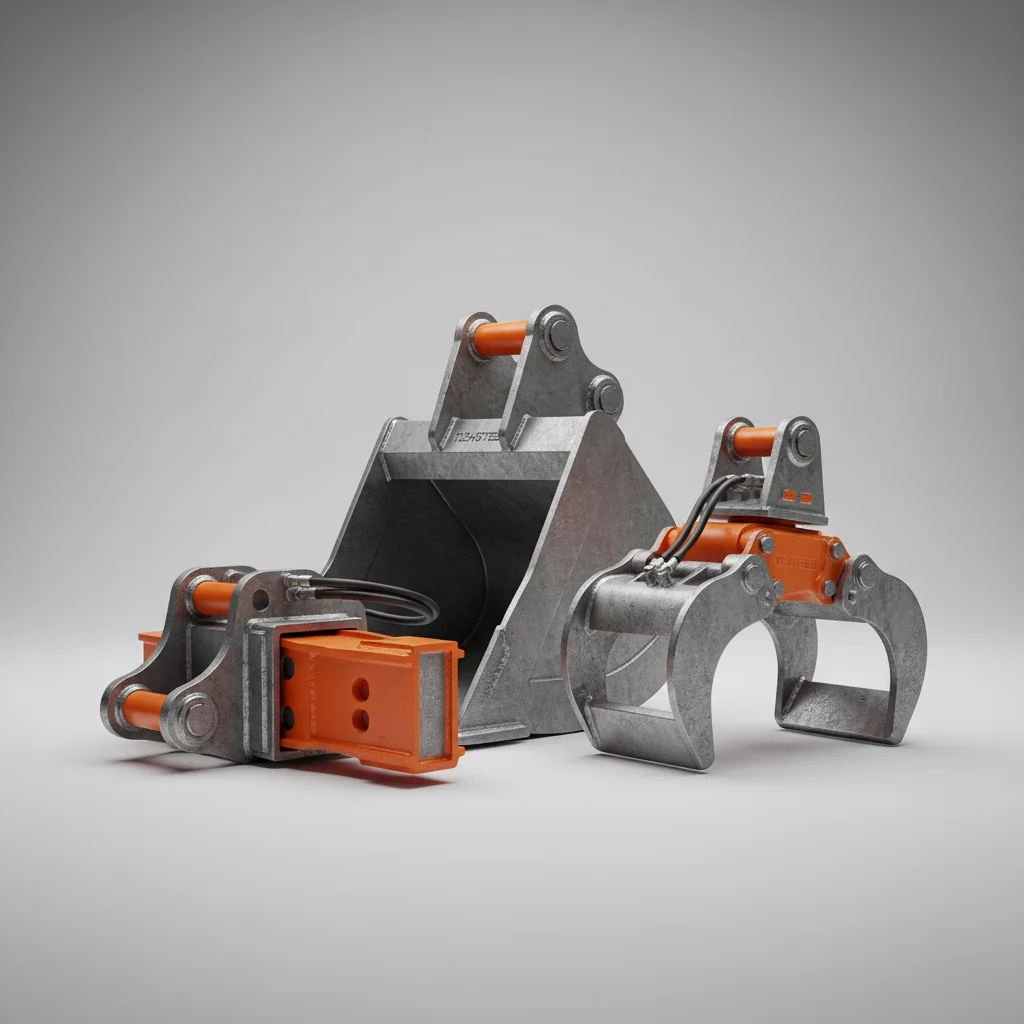
The industry is moving toward more intelligent and versatile attachment systems. The rise of quick couplers has transformed the way operators switch between GP buckets, hydraulic grapples, and skeleton buckets, significantly reducing downtime and increasing the utility of a single machine.
Innovations in wear-resistant coatings and hard-facing technology are also extending the life of buckets. By applying specialized alloys to the high-wear areas of the bucket lip, suppliers can now double the lifespan of the tool in abrasive sand or gravel applications.
Furthermore, the integration of specialized amphibious undercarriages allows standard excavators to be refitted for water-based work, expanding the market for dredging and wetland remediation tools across the globe.
7Supplier Selection Matrix: Custom vs. Standard Options
Choosing between a standard off-the-shelf bucket and a custom-engineered solution depends on the project's unique constraints. While standard buckets offer faster delivery and lower costs, custom solutions are essential for non-standard terrains or specialized material handling.
A comprehensive selection matrix helps operators determine the best fit based on the material being moved, the frequency of use, and the expected lifespan of the tool.
| Bucket Type | Primary Material | Ideal Application | Maintenance Need |
|---|---|---|---|
| GP Bucket | Standard Alloy Steel | General Earthmoving | Moderate |
| Heavy-Duty | Reinforced AH36 | Hard Clay / Compacted Soil | Low |
| Rock Bucket | Extreme-Wear Steel | Quarrying / Mining | High (Teeth) |
| Ditching Bucket | Lightweight Alloy | Trenching / Cleaning | Moderate |
| Skeleton Bucket | Perforated Hardened Steel | Sorting / Screening | Low |
| Amphibious | Corrosion-Resistant Steel | Wetlands / Dredging | High (Seals) |
Ultimately, the best excavator bucket suppliers are those who can provide a consultative approach, analyzing the operator's specific soil conditions and machine specifications to recommend a tool that minimizes wear and maximizes cycle speed.
Frequently Asked Questions
Conclusion
Selecting the right excavator bucket suppliers is a strategic decision that impacts both the daily productivity and the long-term financial health of a construction or mining operation. By focusing on material standards like AH36 and 6061T6, and ensuring a precision fit for the machine's brand, operators can significantly reduce downtime and maximize the efficiency of every cycle.
Whether you require specialized amphibious tools for wetland work or extreme-duty buckets for quarrying, the focus should always remain on the balance of durability, weight, and compatibility. For those evaluating suitable attachment solutions for their fleet, detailed product specifications and configuration options can be reviewed at www.crafts-mfg.com.