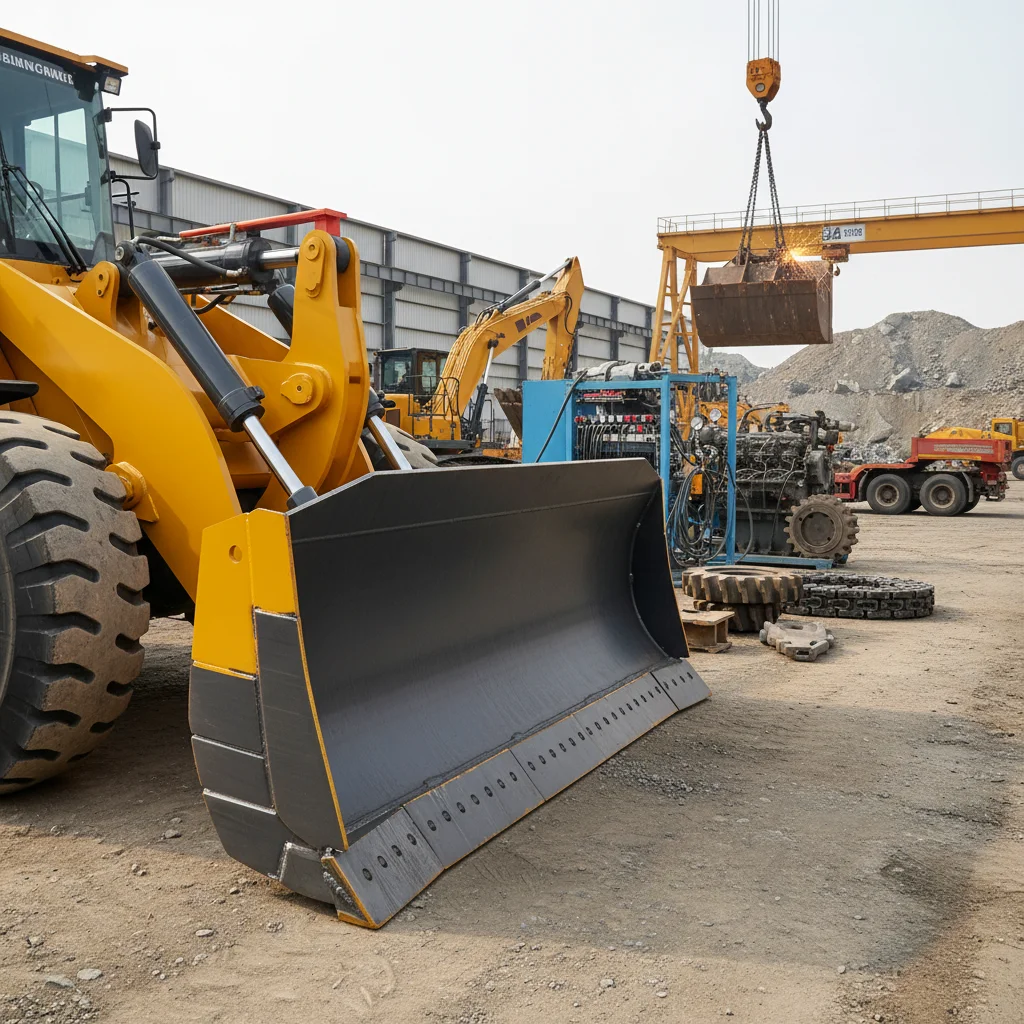
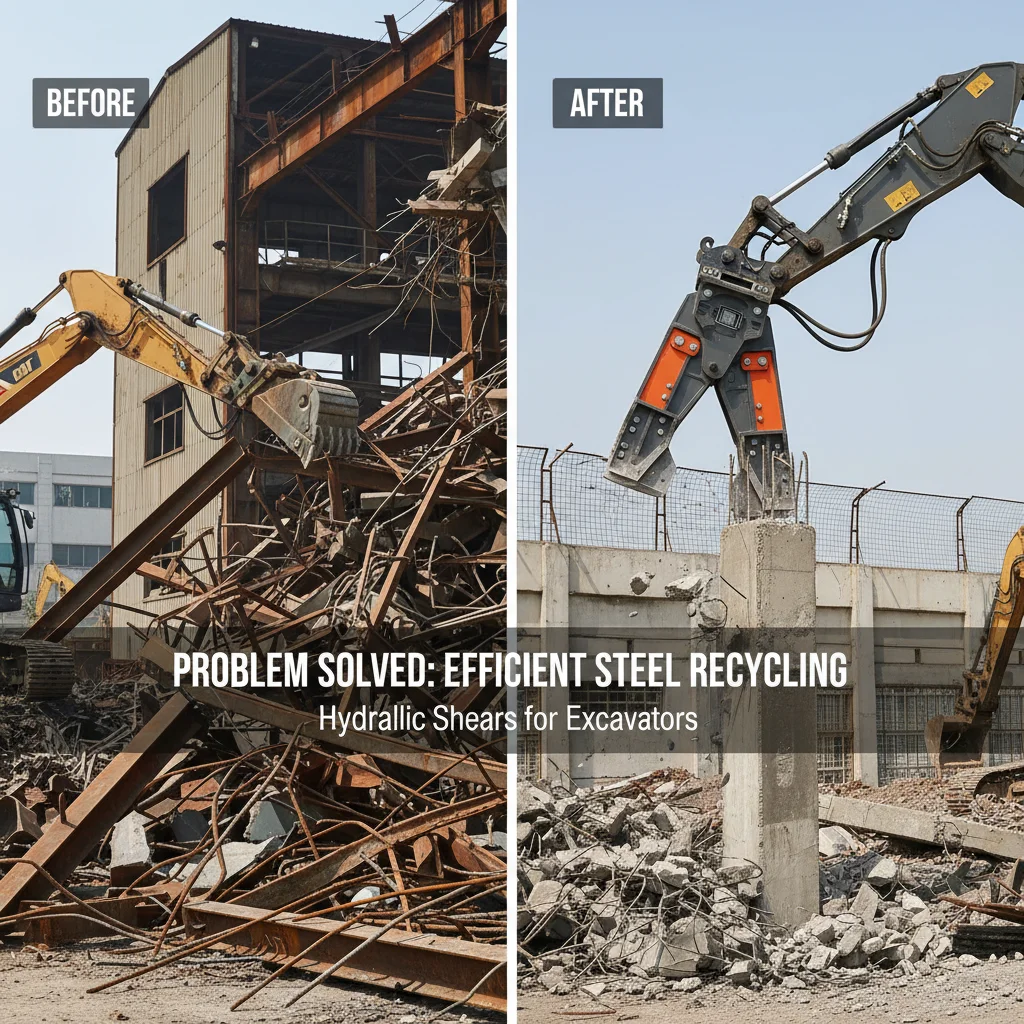
In the demanding world of heavy construction and excavation, the efficiency of ground penetration often dictates the timeline and cost of a project. The backhoe ripper attachment serves as a critical tool for operators facing compacted soils, frozen ground, or rocky substrates that would otherwise cause excessive wear on a standard bucket. By concentrating the machine's hydraulic power into a single, reinforced point, these attachments allow for the fracturing of hard surfaces without the need for expensive blasting or time-consuming manual labor.
Globally, the demand for high-performance earthmoving tools has surged as infrastructure projects move into more challenging terrains. From expanding urban grids in developing nations to maintaining rural road networks in mountainous regions, the ability to quickly break through hardpan soil is indispensable. Integrating a specialized backhoe ripper attachment into a fleet not only enhances versatility but also protects the longevity of the primary excavator by reducing the mechanical stress associated with forcing a bucket into impenetrable ground.
Understanding the nuances of ripper selection—ranging from single-shank designs to multi-shank configurations—is essential for maximizing ROI. Whether used in quarrying, agriculture, or road maintenance, the correct ripper transforms a general-purpose backhoe into a precision demolition and preparation machine. In this comprehensive guide, we will explore the technical specifications, global applications, and the evolving technology behind these powerhouse attachments to help you optimize your job site productivity.

Global Relevance of the Backhoe Ripper Attachment
The global construction market is currently witnessing an unprecedented shift toward "hard-site" development, where developers are forced to build on land previously deemed unusable due to rocky or compacted conditions. According to industry trends aligned with ISO standards for earth-moving machinery, the integration of a backhoe ripper attachment has become a standard requirement for versatility. In regions like Sub-Saharan Africa and Southeast Asia, where infrastructure gaps are being filled with rapid road-building initiatives, these tools are critical for preparing sub-grades in varying soil types.
The primary challenge addressed by the ripper is the "impedance" of the earth. Traditional buckets often fail to penetrate caliche or frozen tundra, leading to hydraulic overheating and structural fatigue in the boom. By utilizing a concentrated point of force, the ripper solves the problem of excessive machine wear, ensuring that the backhoe remains a productive asset rather than a liability during the most grueling phases of excavation.
Defining the Mechanics of Backhoe Ripping
In simple terms, a backhoe ripper attachment is a heavy-duty, steel-shank tool designed to be mounted on the end of a backhoe arm. Unlike a bucket, which is designed to scoop and move material, the ripper is engineered specifically to fracture and loosen it. It acts as a massive "claw" that uses the downward force of the machine's hydraulics to slice through hard-packed earth, asphalt, or soft rock, preparing the material for easier removal by a standard bucket.
Modern industry relies on these attachments to bridge the gap between standard excavation and heavy-duty hammering. While a hydraulic breaker is effective for solid concrete, the ripper is far more efficient for layered soil and fragmented rock. This distinction is vital for humanitarian needs, such as rapid road clearance after landslides or the construction of emergency water pipelines in remote areas where specialized heavy equipment may be scarce.
The connection to modern civil engineering lies in the principle of "mechanical advantage." By reducing the surface area of contact to a sharp, reinforced tip, the ripper exponentially increases the pressure exerted on the ground. This allows operators to achieve deep penetration with minimal fuel consumption compared to the brute-force method of trying to "dig" through hardpan with a wide bucket edge.
Core Components and Durability Factors
The structural integrity of a backhoe ripper attachment begins with its material composition. High-tensile, alloyed steel is typically used to prevent bending under extreme loads. The shank must be engineered to withstand both vertical compression and lateral shear forces, ensuring that the tool does not snap when encountering an unexpected subterranean boulder.
A critical component is the replaceable ripper tip or "tooth." Because the tip bears the brunt of the friction and abrasion, these are made from boron steel or tungsten carbide. The ability to quickly swap out worn tips ensures that the backhoe ripper attachment maintains its penetration efficiency without requiring the replacement of the entire shank.
Furthermore, the mounting interface must be seamless to prevent energy loss. Whether using a pin-on system or a quick coupler, the fit must be tight. Any "play" or movement in the connection point can lead to vibration, which not only slows down the work but can cause premature wear on the backhoe's wrist pins and bushings.
Performance Analysis and Efficiency Metrics
When analyzing the productivity of a backhoe ripper attachment, we look at the "Penetration Rate per Hour" and the "Fuel Consumption per Cubic Meter" of loosened soil. A high-quality ripper reduces the time the machine spends in a "stalled" state, where the hydraulics are at max pressure but the tool is not moving. This efficiency directly translates to lower operational costs and reduced operator fatigue.
Different configurations offer varying levels of performance depending on the soil density. For instance, a single-shank ripper provides maximum penetration depth, whereas a multi-shank setup is better for wide-area surface loosening. The following data illustrates how different ripper methodologies score across key performance indicators.
Performance Rating by Backhoe Ripper Attachment Type
Global Use Cases in Heavy Industry
In the mining and quarrying sectors, the backhoe ripper attachment is frequently used for "overburden removal." Before the primary ore can be extracted, layers of hard soil and weathered rock must be stripped away. In remote industrial zones of Australia and Canada, rippers are used to maintain haul roads, breaking up potholes and frost heaves to ensure that massive dump trucks can operate safely without damaging their tires.
Beyond mining, the agricultural sector utilizes these tools for deep ripping to improve soil drainage and break up "plow pans"—compressed layers of soil that prevent root growth. In post-disaster relief operations, such as after an earthquake or flood, rippers are deployed to clear debris-filled roads where the ground has become compacted with sediment and rubble, allowing emergency vehicles to reach isolated populations more quickly.
Long-Term Value and Economic Impact
The investment in a professional-grade backhoe ripper attachment pays for itself through the drastic reduction in machine downtime. When an operator attempts to use a bucket for ripping, the result is often a bent bucket edge or a blown hydraulic seal. The cost of repairing a boom arm or replacing a primary bucket far exceeds the initial purchase price of a dedicated ripper.
From a sustainability perspective, ripping is more eco-friendly than blasting. Blasting requires chemical explosives, stringent safety perimeters, and creates significant noise and air pollution. A hydraulic ripper achieves similar results in many soil types with zero chemical runoff and significantly less environmental disruption, aligning with the "green construction" mandates appearing in EU and North American regulations.
Moreover, there is a human element: safety. Using the correct tool for the job reduces the risk of "kick-back" or sudden structural failures that can endanger the operator and ground crew. By providing a predictable and stable method of ground penetration, the ripper fosters a culture of trust and reliability on the job site, ensuring projects are completed on time and without incident.
Future Trends in Ripper Technology
The future of the backhoe ripper attachment is leaning heavily toward "smart" attachments. We are seeing the emergence of integrated sensors that monitor the pressure exerted on the ripper tip in real-time. This data is fed back to the operator's cabin, alerting them when they have hit a rock that is too hard for the current tool, thereby preventing equipment failure before it happens.
Material science is also evolving, with the introduction of nano-crystalline coatings that reduce friction between the ripper shank and the soil. This "low-drag" technology allows the tool to slide through the earth more easily, further reducing fuel consumption and increasing the speed of operation. Additionally, the shift toward electric and hybrid excavators is prompting a redesign of attachments to be lighter yet stronger, maximizing the battery life of the carrier machine.
Automation is the final frontier. Future rippers may be part of an automated "ground-scanning" system where the machine's AI determines the optimal angle of attack and penetration depth automatically, ensuring maximum efficiency without requiring constant manual adjustment from the operator.
Technical Specification Comparison of Backhoe Ripper Variants
| Ripper Model Type | Primary Soil Application | Material Grade | Wear Life Rating (1-10) |
|---|
| Standard Single Shank | Compact Clay/Loam | Hardened Steel | 6 |
| Heavy-Duty Rock Ripper | Fragmented Limestone | Boron Alloy | 9 |
| Tungsten Carbide Tip | Abrasive Quartzite | Tungsten/Steel | 10 |
| Multi-Shank Ripper | Frozen Tundra/Permafrost | High-Tensile Steel | 7 |
| Agricultural Ripper | Hardpan Agricultural Soil | Manganese Steel | 8 |
| Compact Utility Ripper | Urban Pavement/Dirt | Standard Alloy | 5 |
FAQS
A ripper is a passive tool that uses the machine's pushing/pulling force to slice and tear through soil and soft rock. A hydraulic breaker is an active tool that uses a hammering mechanism to pulverize hard concrete or solid rock. Rippers are generally faster and more fuel-efficient for soil preparation, while breakers are necessary for demolition of hard structural materials.
Replacement frequency depends on the abrasiveness of the soil. In sandy or quartz-heavy soils, tips may need replacing every 40-80 operating hours. In softer clay, they can last hundreds of hours. It is critical to replace tips once they lose their sharp profile, as a blunt tip requires significantly more hydraulic pressure to penetrate, increasing wear on the machine.
When used correctly, no. However, attempting to rip material that is too hard (like solid granite) can cause the hydraulic relief valves to trigger constantly, leading to overheating. Using a high-quality backhoe ripper attachment designed for your machine's weight class ensures that the forces are distributed safely through the chassis.
Single-shank rippers concentrate all the machine's power into one point, making them superior for deep penetration and breaking through very hard layers. Multi-shank rippers distribute the force across several points, making them ideal for loosening larger surface areas of moderately hard soil more quickly. The choice depends on whether your goal is depth or coverage.
Most rippers are designed to be compatible with major brands through standard pin sizes. However, it is essential to match the ripper's weight and strength to the machine's lift capacity. Using a ripper that is too heavy can destabilize the machine, while one that is too light will bend under pressure. Always check the pin diameter and spacing before purchasing.
Yes, especially in abrasive environments. Tungsten carbide is significantly harder than boron steel. While the initial cost is higher, the lifespan is often 3-5 times longer. This reduces the frequency of downtime for maintenance and lowers the long-term cost per cubic meter of material processed.
Conclusion
The backhoe ripper attachment is far more than a simple piece of steel; it is a strategic asset that enhances the capability, safety, and longevity of excavation equipment. By mastering the balance between material strength, tip geometry, and machine compatibility, operators can tackle the most challenging terrains with confidence. From reducing operational costs to eliminating the need for hazardous blasting, the ripper provides a sustainable and efficient path toward modern infrastructure development.
As we look toward a future of automated and electric construction, the role of specialized attachments will only grow. We recommend that fleet managers invest in high-grade alloy rippers with replaceable carbide tips to future-proof their operations against increasingly difficult site conditions. For those seeking to optimize their equipment performance and reduce maintenance overhead, exploring professional-grade attachments is the first step. Visit our website for more information: www.crafts-mfg.com