Maximizing Efficiency with the Digger Riddle Bucket: A Professional Guide
In the demanding world of construction and landscaping, the ability to separate usable materials from waste quickly is a game-changer. The digger riddle bucket serves as an essential tool for operators who need to screen soil, gravel, or debris without manual sorting. By integrating a precision-engineered grate system, these buckets allow smaller particles to pass through while retaining larger rocks and rubble. This guide explores how choosing the right screening attachment can drastically reduce project timelines and operational costs. Whether you are preparing a seedbed or clearing a demolition site, understanding the mechanics of a riddle bucket is key to optimizing your machinery's output.

The Core Engineering of a High-Quality Digger Riddle Bucket
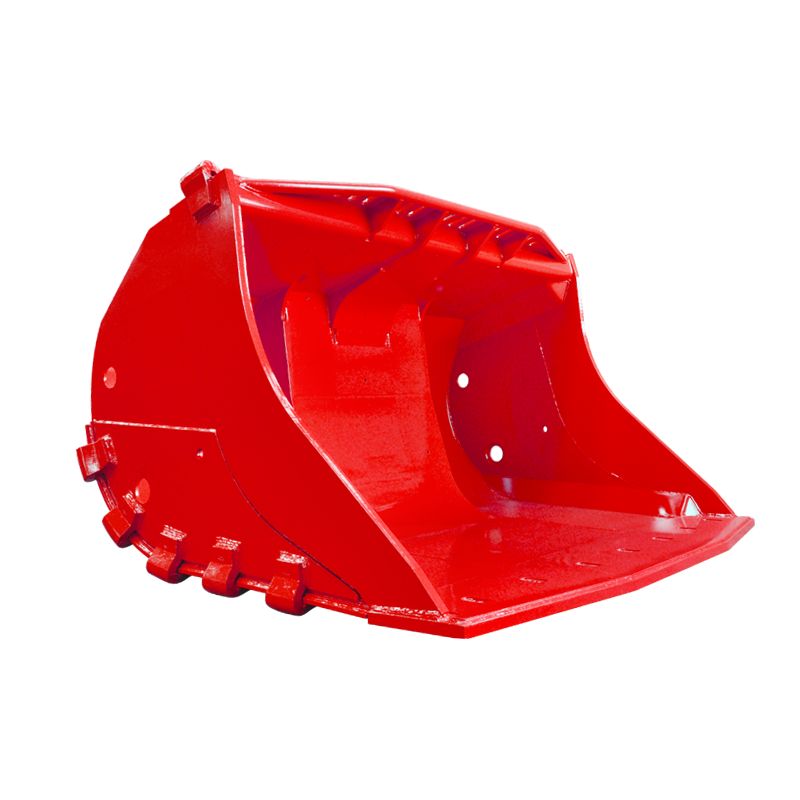
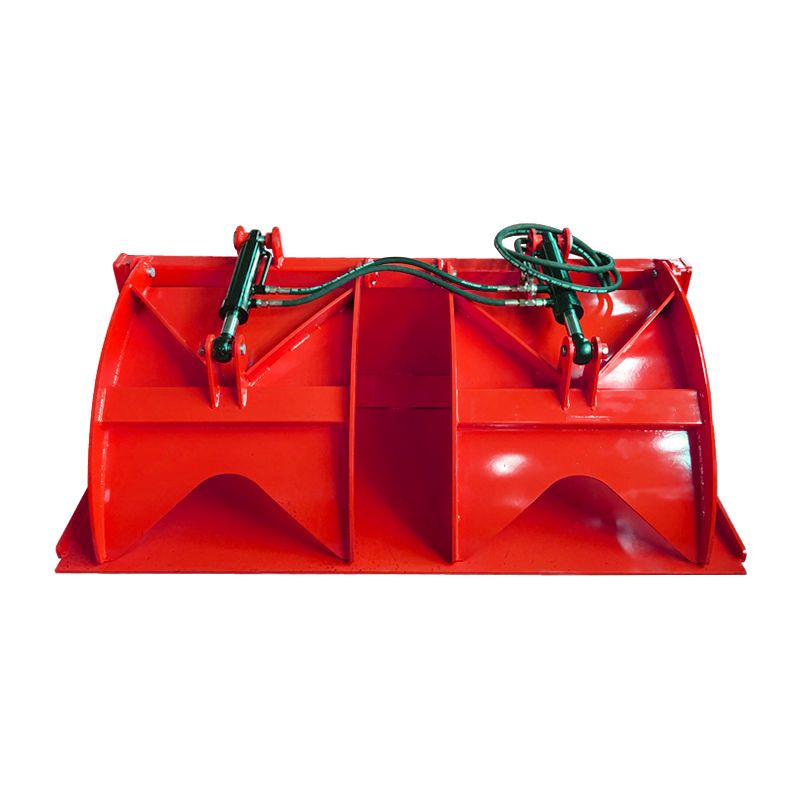
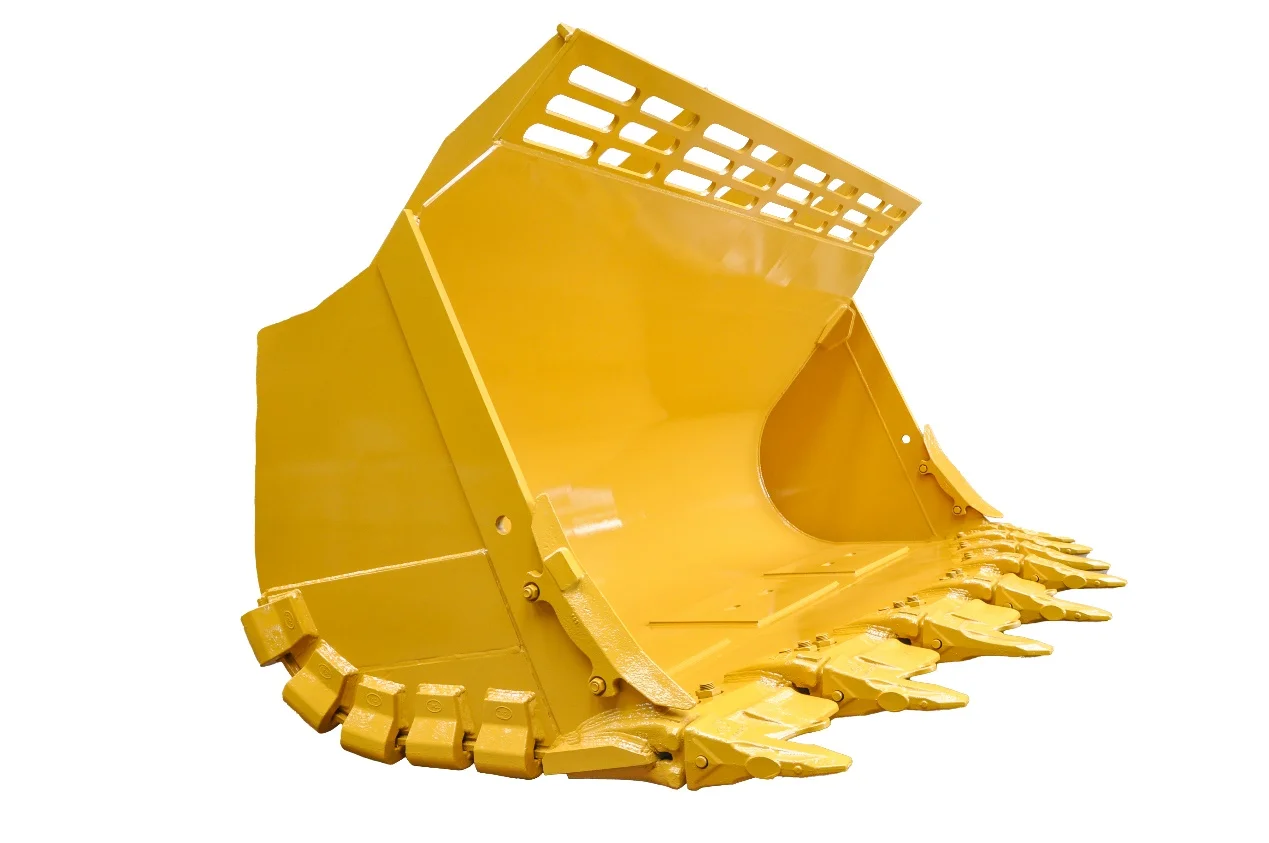
A professional digger riddle bucket is not just a perforated container; it is a piece of precision equipment designed to withstand extreme abrasion. Most high-performance models utilize Hardox 450 or Q690 high-strength steel to prevent the ribs from bending or wearing down under heavy loads. The spacing of the "riddle" or screen is calibrated to specific millimeter standards to ensure consistent material separation. This structural integrity ensures that the bucket maintains its shape even when handling heavy wet clay or jagged concrete fragments, providing a seamless transition between digging and screening phases.
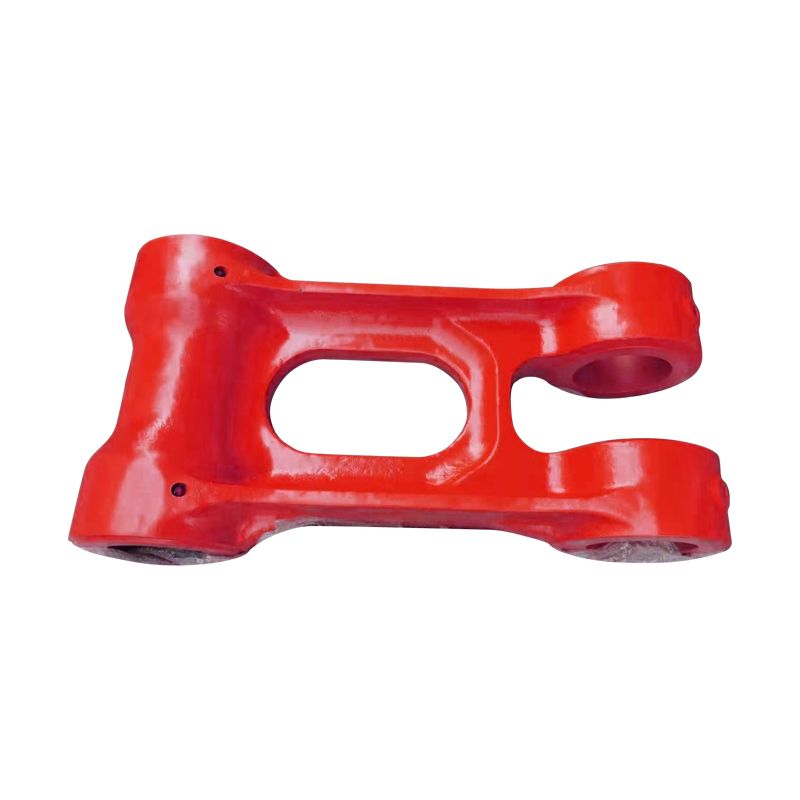
Engineering Highlight: The use of floor-type boring machines for pin hole alignment ensures that the bucket fits perfectly onto the excavator arm, reducing friction and premature wear on the hydraulic pins.
Key Applications of the Digger Riddle Bucket in Modern Construction
The versatility of the digger riddle bucket makes it indispensable across multiple sectors. In urban demolition, it is used to separate recyclable concrete from soil. In landscaping, it allows for the rapid creation of clean topsoil by filtering out large stones. Furthermore, in mining and quarrying, these buckets are utilized for preliminary sorting of ores. The ability to perform "on-the-fly" screening means that contractors do not need to transport all materials to a separate screening plant, saving significant fuel and labor costs.
Primary Use Cases:
• Soil Stabilization: Removing oversized rocks for better compaction.
• Site Remediation: Filtering contaminated soil or removing debris.
• Agricultural Prep: Creating smooth surfaces for planting.
• Recycling: Sorting mixed demolition waste into manageable piles.
Comparing the Digger Riddle Bucket vs. Standard Digging Buckets
While a standard bucket is designed for maximum volume and excavation speed, the digger riddle bucket focuses on material quality and separation. Using a standard bucket for screening requires a tedious process of dumping and hand-sorting. In contrast, the riddle bucket performs this task dynamically. Although it may have a slightly lower total volume capacity due to the screen structure, the net gain in productivity is substantial when calculating the total man-hours required for material processing.
Optimizing Your Workflow with a Digger Riddle Bucket
To get the most out of your digger riddle bucket, operators should utilize a "shaking" motion during the lift. This agitation helps smaller particles settle and fall through the screen more efficiently. Additionally, matching the screen aperture size to the specific material is critical; a 50mm screen is ideal for removing large stones, while a 20mm screen is better for fine grading. Proper maintenance, including regular checks for weld integrity and pin lubrication, ensures the attachment lasts for thousands of operational hours.

Technical Specifications for Custom Riddle Buckets
Every job site is different, which is why customization is key. Whether you are operating a mini-digger or a 50-ton heavy excavator, the digger riddle bucket can be tailored in terms of width, depth, and screen gap. We utilize premium materials like Q355 and Hardox to ensure the balance between weight and strength. Below are the standard specifications typically offered for industrial-grade screening buckets:
Conclusion: Enhancing Your Fleet with Professional Screening Tools
The digger riddle bucket is more than just an accessory; it is a productivity multiplier. By eliminating the need for manual sorting and reducing the reliance on external screening plants, it provides a significant return on investment. Whether you are focusing on high-reach demolition or precise landscaping, investing in a high-strength, precision-bored riddle bucket ensures your operations remain efficient, safe, and profitable. Upgrade your equipment today to experience the difference in material handling.
Frequently Asked Questions (FAQs)
How do I choose the right screen size for my riddle bucket?
Choosing the right screen size depends entirely on the material you are processing. For fine topsoil or sand preparation, a smaller gap (10-30mm) is recommended. For general construction debris or removing large stones from a site, a medium to large gap (50-100mm) is more effective. It is important to consider the "wetness" of the material; sticky clay may require a larger gap to prevent clogging. At Crafts MFG, we provide custom OEM services to ensure the aperture matches your specific project requirements perfectly.
Will a riddle bucket cause more wear on my excavator's hydraulic system?
No, a professionally engineered riddle bucket is designed to be compatible with your machine's existing hydraulic capacity. Since it is a passive attachment (unless it is a powered vibrating screen), it does not put additional strain on the pumps. However, because the material is filtered, the bucket may be handled more frequently (lifting and shaking), which makes regular lubrication of the pins and bushings essential. Using high-hardness hardened pins reduces friction and protects your excavator arm from excessive wear.
Can a digger riddle bucket be used for heavy demolition?
Yes, provided the bucket is constructed from high-strength materials like Hardox 450 or Q690. In demolition, riddle buckets are excellent for sorting concrete rubble from soil. However, they should not be used as primary "breaking" tools. For heavy concrete slabs, we recommend using a hydraulic breaker first to reduce the size of the debris, and then using the riddle bucket to screen and remove the fragments. This combined approach maximizes efficiency and extends the lifespan of your attachments.
How often should the screen be inspected for damage?
We recommend a visual inspection at the end of every work shift. Look for "blinded" screens (clogging) and check for any cracks in the welds, especially around the high-stress areas of the grate. Because riddle buckets face constant abrasion from rocks and debris, the edges of the screen can wear down over time. Regular inspections allow you to perform minor repairs before a small crack becomes a structural failure. Using premium-grade steel significantly extends the interval between major repairs.
Post time: Jul-01-2026