The modern construction and demolition landscape relies heavily on the versatility of excavator attachments to maintain productivity. Among the most critical tools for heavy-duty site preparation and material handling is the integration of advanced hydraulic systems that transform a standard digger into a multi-functional powerhouse. Understanding the synergy between these attachments is key to optimizing operational efficiency and reducing downtime on complex jobsites.
Whether working in forestry, urban demolition, or large-scale mining, the ability to manipulate heavy materials precisely is what separates a productive project from a costly delay. The demand for high-strength materials and precision engineering has led to the development of sophisticated components that can withstand extreme pressures while ensuring operator safety and machine longevity.
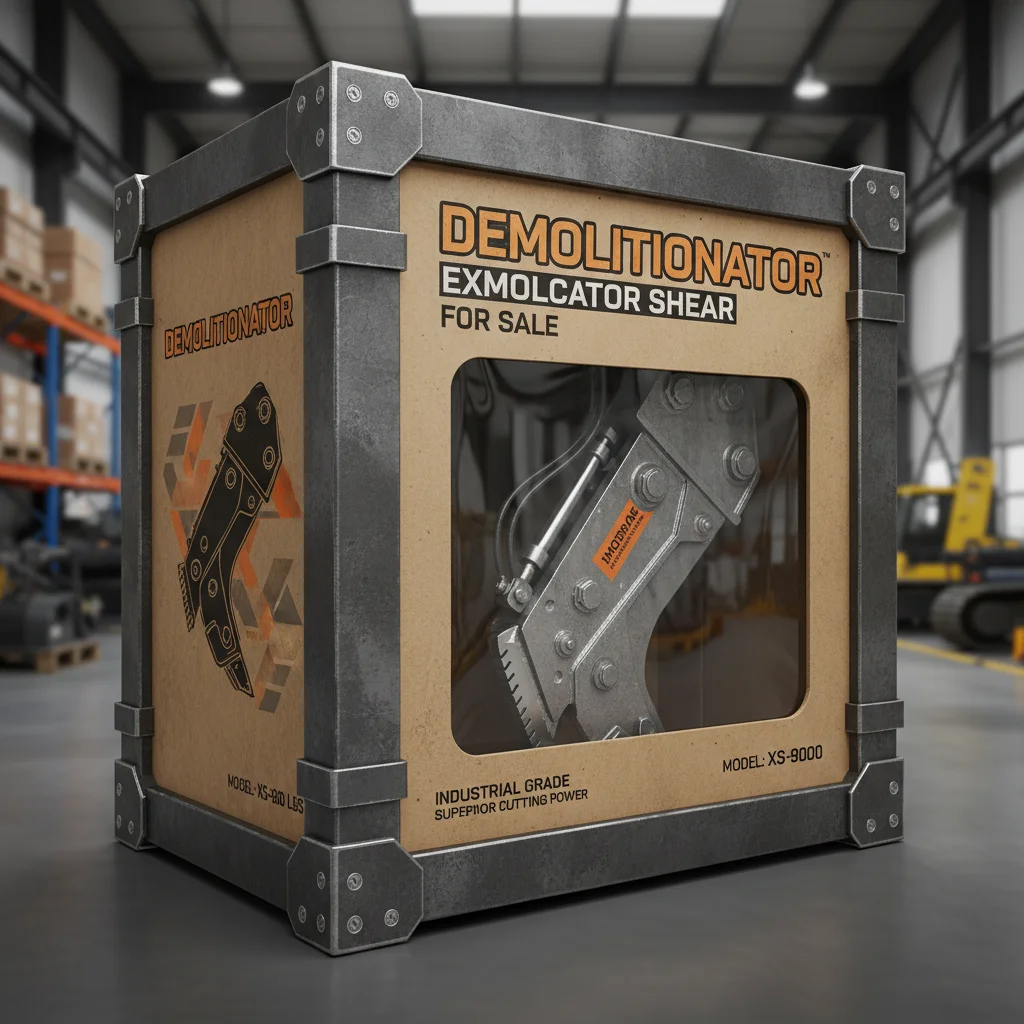
For professionals looking to upgrade their fleet, integrating a digger hydraulic breaker or a high-performance hydraulic thumb is an essential step. By expanding the capability of a machine from simple digging to complex material handling, contractors can execute tasks like picking up concrete debris or handling branches with unprecedented speed.

Material Engineering and Durability of Attachments
The longevity of heavy machinery attachments is fundamentally tied to the grade of steel used in their construction. For tools that face constant abrasion and high-impact stress, such as those used alongside a digger hydraulic breaker, utilizing high-tensile materials is non-negotiable. Industry standards now prioritize materials like Q355, Q690, and NM400 to ensure structural integrity under extreme loads.
For the most demanding environments, Hardox 450 is often the preferred choice due to its exceptional wear resistance and hardness. This ensures that the equipment can handle the rigorous demands of quarrying and demolition without premature failure, maintaining the precision of the grab function over thousands of operating hours.
Versatility Across Excavator Brands and Models
One of the primary challenges for fleet managers is ensuring compatibility between different brands of excavators and backhoe loaders. The ideal attachment system should offer a "perfect match" regardless of the machine's origin, allowing for seamless transitions between digging, breaking, and gripping. This universality reduces the need for a massive inventory of machine-specific parts.
To achieve this versatility, manufacturers provide various mounting options, including progressive link, main pin type, and mounting weld-on types. This flexibility allows the operator to choose the installation method that best suits their specific machine configuration and the nature of the work, whether it be urban construction or remote site clearing.
Furthermore, providing both hydraulic and mechanical options ensures that the tool can be adapted to the existing hydraulic flow and pressure of the carrier machine. This ensures that the attachment operates at peak efficiency without putting undue stress on the excavator's primary hydraulic pump.
Key Components of Hydraulic Thumb Systems
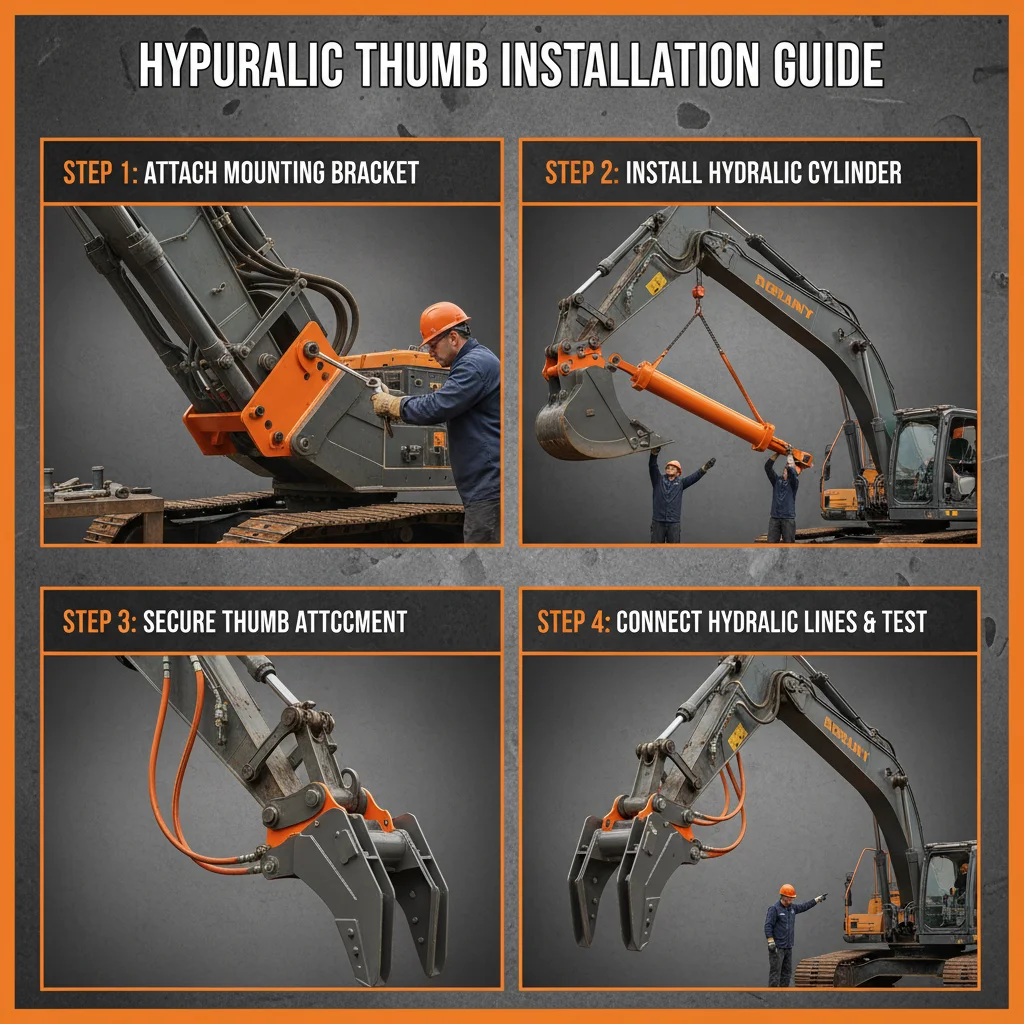
A complete hydraulic system for a digger is more than just a piece of steel; it is a coordinated assembly of precision parts. When integrating a system to work alongside a digger hydraulic breaker, the assembly typically includes the thumb body, a high-pressure hydraulic cylinder, and a robust weld-on mounting bracket to ensure stability.
The connectivity is equally crucial, requiring specialized hydraulic pipes and connection ports. To cater to a global market, these are available in both Imperial and Metric units, ensuring that operators in different regions can maintain their equipment without needing complex adapters that might introduce leak points.
Finally, the hardware—consisting of hardened pins, bolts, and nuts—is designed to withstand the shearing forces encountered when grabbing heavy concrete or boulders. These hardened components prevent the pins from bending or wearing down, ensuring the thumb maintains its structural alignment during heavy-duty cycles.
Optimizing Performance in Material Handling
The transition from simple excavation to comprehensive material handling significantly increases the ROI of any piece of heavy equipment. By adding a thumb, an excavator evolves from a machine that only digs into one that can selectively pick up stones, concrete, and waste. This eliminates the need to frequently switch to a full grapple, saving hours of idle time on the jobsite.
When used in tandem with a digger hydraulic breaker, the machine can first break down large monolithic structures and then immediately clear the debris. This integrated workflow is the gold standard for demolition efficiency, allowing for a "break-and-clear" cycle that keeps the site clean and safe.
Performance Efficiency Rating for Material Handling Tools
Global Applications in Mining and Forestry
In the mining sector, the ability to handle jagged rocks and oversized minerals is critical for maintaining the flow of materials to the primary crusher. A hydraulic thumb allows operators to sort through debris and remove obstructions that could damage the conveyor systems, providing a level of precision that a standard bucket cannot achieve.
Forestry operations similarly benefit from this technology, where handling branches, logs, and loose organic waste is a constant requirement. By employing a hydraulic thumb, operators can grip unevenly shaped timber and move it efficiently, reducing the overall cycle time for land clearing and biomass collection.
Technical Selection Criteria for Maximum Grip
Choosing the correct thumb requires a precise measurement process to ensure the "grab function" is optimized. The first step is confirming the thumb length, which is measured from the bucket front pin center to the tip of the bucket teeth. A correctly sized thumb ensures that the closing arc perfectly matches the bucket's geometry.
The width of the thumb must also be aligned with the specific work conditions—wider thumbs provide more stability for large boulders, while narrower ones are better for precision picking of smaller debris. This customization ensures that the tool does not obstruct the bucket's primary digging path.
Crucially, the distance between the thumb tines must be calculated based on the bucket teeth distance and the main blade width. By ensuring the tines and teeth are interlaced, the machine achieves a secure, non-slip grip on the material, which is essential when lifting heavy loads over uneven terrain.
Future Trends in Hydraulic Attachment Integration
The industry is moving toward smarter, more automated attachment systems. We are seeing the rise of "intelligent hydraulics" that can automatically adjust the pressure of the thumb or digger hydraulic breaker based on the resistance of the material being handled, reducing wear and tear on the machine.
Sustainability is also driving a shift toward more eco-friendly hydraulic fluids and higher-efficiency cylinders that reduce energy consumption. This not only lowers the operating cost for the contractor but also reduces the environmental footprint of massive construction sites.
Additionally, the integration of quick-coupler technology is becoming standard, allowing operators to switch between a breaker, a thumb-equipped bucket, and a rake in seconds. This modular approach transforms the excavator into a truly universal tool, capable of handling any challenge from urban demolition to remote road building.
Technical Specification Analysis for Hydraulic Thumb Selection
| Material Grade |
Durability Score (1-10) |
Typical Application |
Wear Life Expectancy |
| Q355 Steel |
6 |
General Construction |
Medium |
| Q690 Steel |
8 |
Heavy Demolition |
High |
| NM400 Steel |
7 |
Mining Support |
Medium-High |
| Hardox 450 |
10 |
Extreme Quarrying |
Very High |
| Standard Grade |
5 |
Light Earthmoving |
Low |
| Reinforced Alloy |
9 |
Industrial Scrap |
High |
FAQS
A hydraulic thumb is an attachment that works with your existing bucket to provide a gripping action, allowing you to pick up materials. A grapple is a standalone attachment that replaces the bucket entirely. A thumb is generally more versatile as it allows the machine to retain its digging capability while adding material handling functions, making it a great companion to a digger hydraulic breaker.
To find the ideal length, measure the distance from the center of the bucket's front pin to the top tip of the bucket teeth. This measurement ensures that the thumb closes effectively against the bucket, maximizing the grip on the material. Proper length is essential to prevent the material from slipping during transport.
Yes, most professional-grade attachments are designed to be compatible with various brands of excavators and backhoe loaders. By offering different mounting options—such as weld-on, main pin, or progressive link—manufacturers ensure that the attachment can be perfectly matched to the specific geometry of your machine.
For environments with extreme abrasion, such as quarries or concrete demolition, Hardox 450 is the superior choice. It provides the highest level of wear resistance, ensuring the thumb body does not thin out or deform over time, which maintains the integrity of the grip and the safety of the operation.
Generally, no. Metric and Imperial units have different thread pitches and diameters. However, high-quality manufacturers provide both options to ensure that the hydraulic pipes and connection ports match your machine's existing system perfectly, avoiding the need for risky adapters that can leak under high pressure.
Due to the high stress placed on the pivot points, pins and bushings should be inspected weekly and greased daily. Because the thumb often handles heavy, irregular loads, any wear in the pins can lead to "slop" or instability in the grip. Using hardened pins significantly extends the interval between replacements.
Conclusion
Integrating high-performance attachments like hydraulic thumbs and digger hydraulic breaker systems is no longer an optional luxury but a necessity for competitive contracting. By combining superior materials such as Hardox 450 with precise engineering and versatile mounting options, operators can transform a standard excavator into a multi-purpose tool capable of tackling the most grueling tasks in mining, forestry, and demolition.
Looking forward, the synergy between automated hydraulics and modular attachment designs will continue to drive productivity and safety. We recommend that fleet owners prioritize high-tensile materials and precise sizing to ensure long-term reliability and maximum operational uptime. For those ready to upgrade their machinery's capabilities, exploring professional-grade attachment solutions is the most effective way to increase site efficiency. Visit our website: www.crafts-mfg.com