Understanding the Importance of an Undercarriage Warehouse
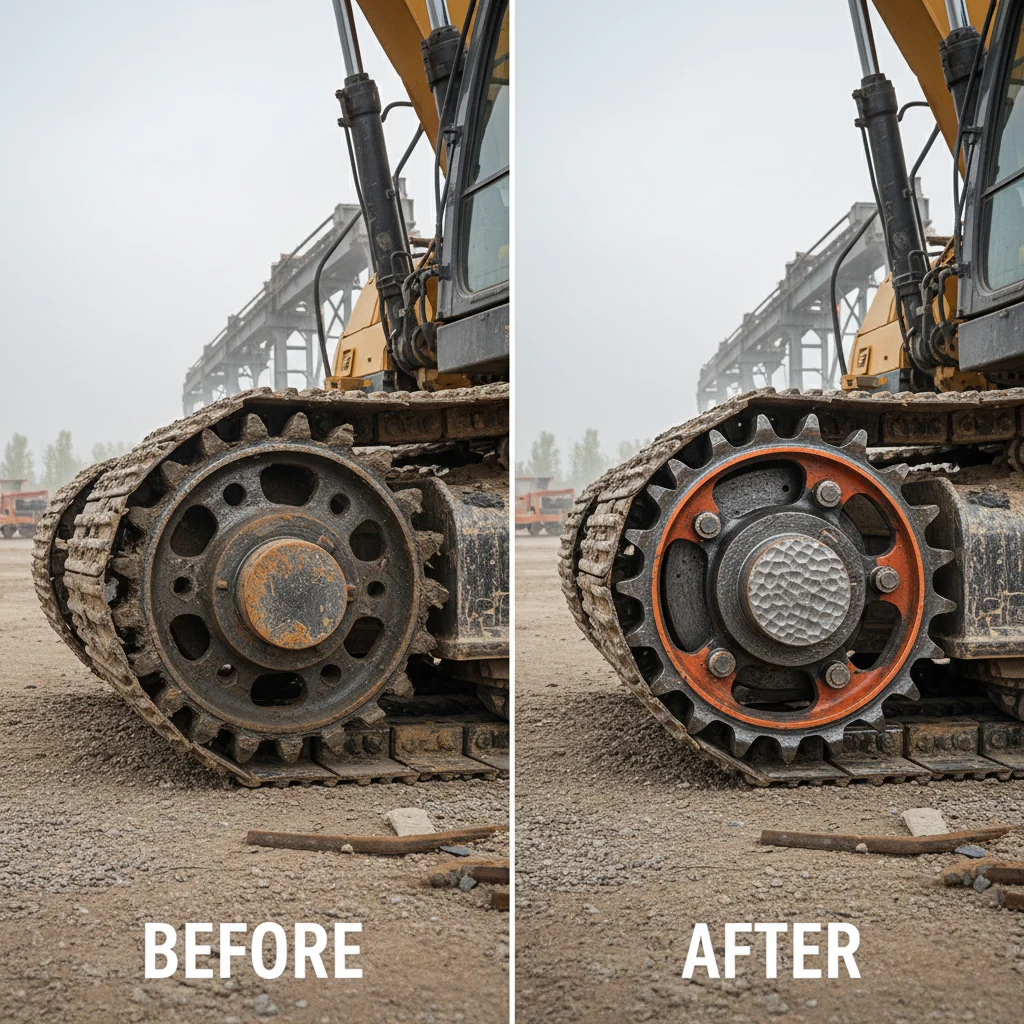
In the world of heavy machinery operation, particularly in construction, mining, and forestry, the undercarriage is a critical component. Its efficiency and longevity directly impact productivity and overall project costs. A well-managed undercarriage warehouse is therefore vital for businesses relying on excavators, bulldozers, and other tracked equipment. This article will delve into the benefits of utilizing a specialized undercarriage warehouse, factors to consider when choosing one, and how it streamlines maintenance and reduces downtime. Effective undercarriage management is the cornerstone of maximizing equipment uptime and ROI.
Why Choose a Dedicated Undercarriage Warehouse?
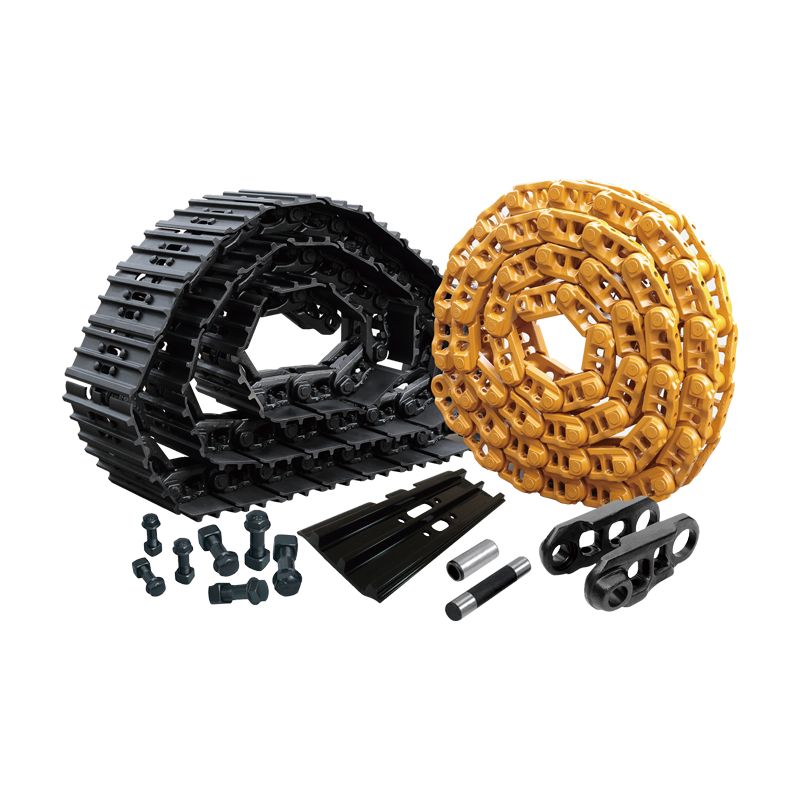
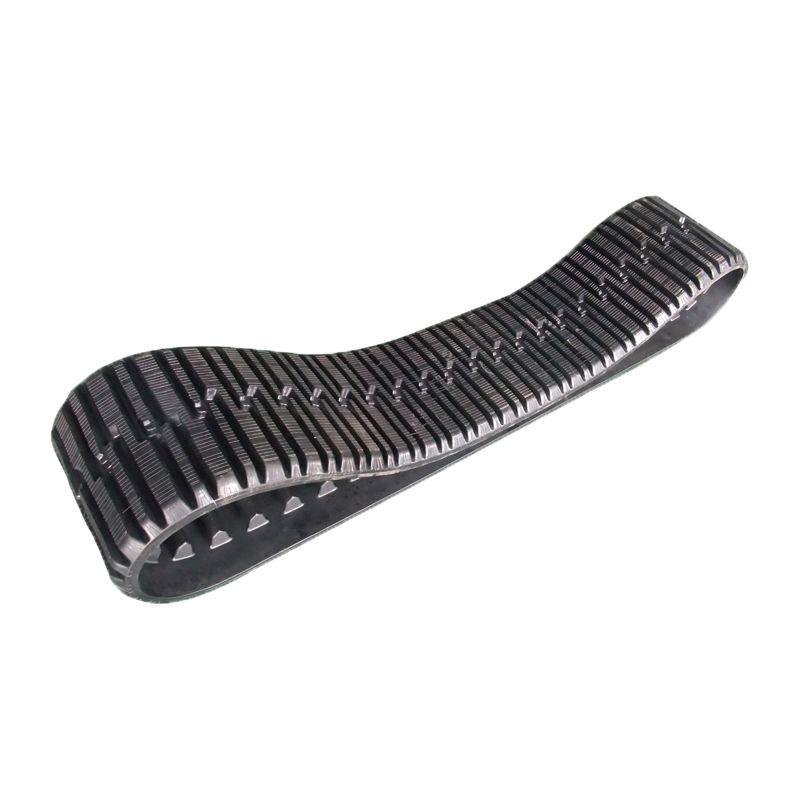
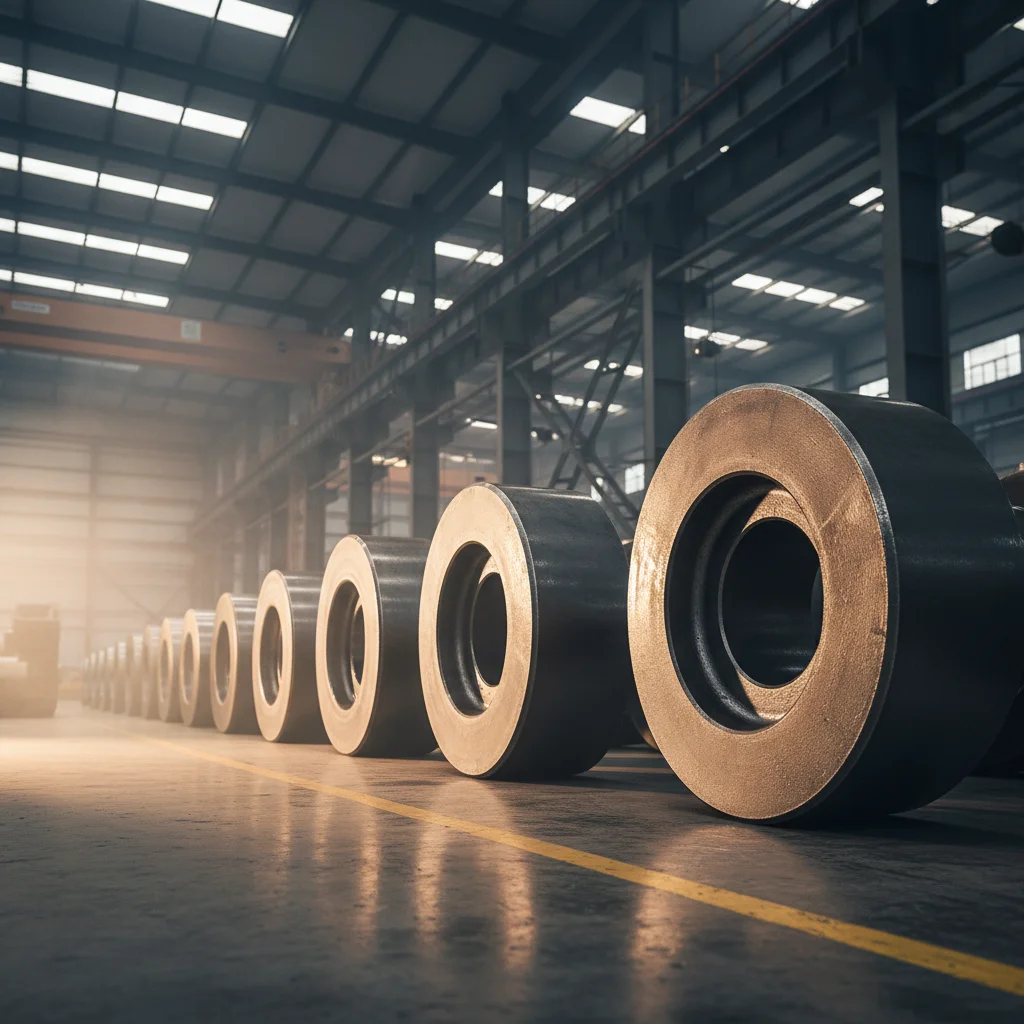
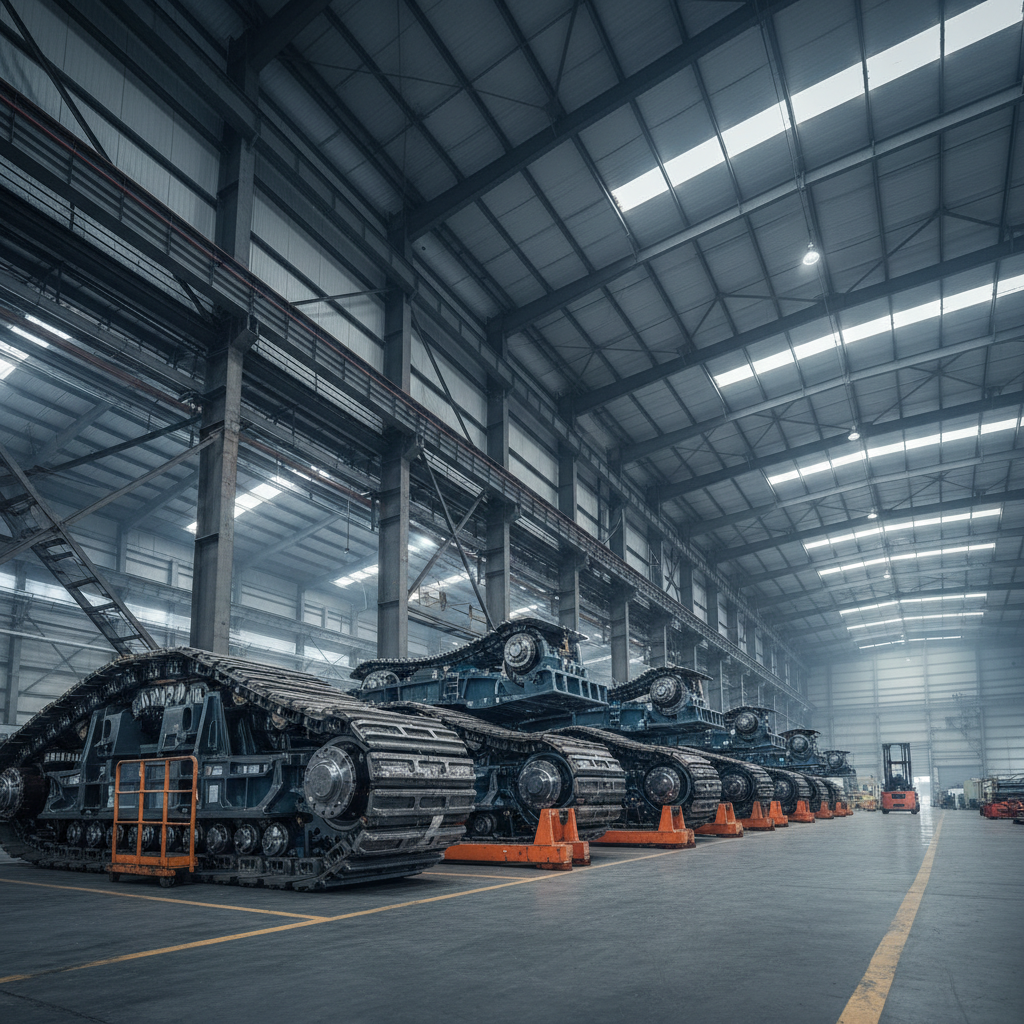
Unlike general parts warehouses, a dedicated undercarriage warehouse specializes in the storage, organization, and distribution of undercarriage components – tracks, rollers, sprockets, idlers, and seals. This specialization leads to several key advantages. Firstly, it ensures optimized inventory management, reducing the risk of stockouts and delays. Secondly, specialized handling equipment and trained personnel minimize damage during storage and retrieval. Finally, a dedicated warehouse can offer faster turnaround times for repairs and replacements, keeping your machinery operational for longer. This ultimately translates to significant cost savings and increased project efficiency. Crafts Manufacturing provides dedicated undercarriage services to ensure clients get the best inventory management.
Key Benefits: Optimized inventory, reduced damage, faster turnaround, and cost savings.
Key Factors to Consider When Selecting an Undercarriage Warehouse
Choosing the right undercarriage warehouse requires careful consideration. Location is paramount – proximity to your operating sites minimizes shipping times and costs. Inventory depth and breadth are also crucial; the warehouse should stock a comprehensive range of parts for your specific equipment makes and models. Equally important is the warehouse’s technological infrastructure, including robust inventory management systems and efficient order processing capabilities. Finally, assess their quality control procedures and ability to handle specialized components requiring careful storage and handling. A proactive and responsive customer service team is another essential attribute.
Selection Criteria:
• Location & Proximity
• Inventory Range & Depth
• Technological Infrastructure
• Quality Control Procedures
• Customer Service Responsiveness
Undercarriage Warehouse vs. Traditional Parts Warehousing: A Comparison
While a general parts warehouse can stock some undercarriage components, it often lacks the specialized expertise and infrastructure to manage these complex parts effectively. This can lead to misidentification, improper handling, and ultimately, increased downtime. An undercarriage warehouse, on the other hand, offers a tailored solution specifically designed for the needs of heavy equipment operators. This focused approach results in improved accuracy, faster service, and a significant reduction in costly errors.
The Role of Technology in Modern Undercarriage Warehousing
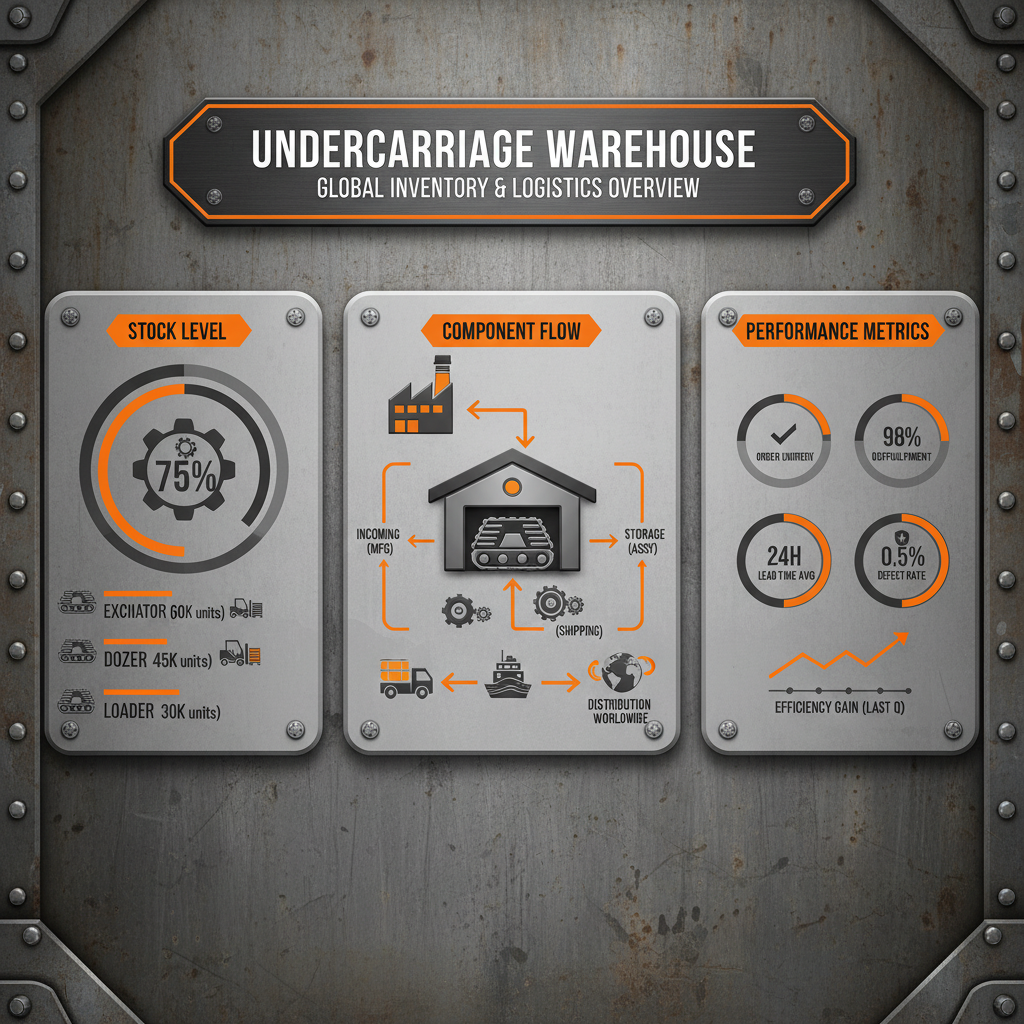
Modern undercarriage warehouses leverage technology to enhance efficiency and accuracy. Real-time inventory tracking, powered by barcode scanning and RFID technology, provides complete visibility into stock levels. Warehouse Management Systems (WMS) optimize storage layouts, streamline picking and packing processes, and automate order fulfillment. Furthermore, data analytics tools provide valuable insights into component wear patterns, enabling proactive maintenance scheduling and cost optimization. Investing in technologically advanced warehousing is crucial for maintaining a competitive edge in today’s fast-paced industry.
Benefits of Partnering with Crafts Manufacturing for your Undercarriage Needs
Crafts Manufacturing offers a comprehensive suite of undercarriage solutions, including a strategically located and expertly managed undercarriage warehouse. We provide a wide range of high-quality components, coupled with exceptional customer service and technical support. Our commitment to innovation and efficiency ensures you receive the parts you need, when you need them, minimizing downtime and maximizing your equipment’s performance. We specialize in optimizing undercarriage life and reducing overall operating costs for our clients.
Conclusion: Streamlining Operations with a Specialized Warehouse
Investing in a dedicated undercarriage warehouse, especially through a trusted partner like Crafts Manufacturing, is a strategic move for any organization reliant on heavy machinery. It’s a proactive approach to reducing downtime, lowering costs, and ultimately, boosting profitability. Don't settle for a generic solution – choose a specialized warehouse tailored to the unique demands of your undercarriage components.
Frequently Asked Questions (FAQs)
What types of undercarriage components are typically stocked in a specialized warehouse?
A comprehensive undercarriage warehouse will stock a full range of components, including tracks (rubber and steel), rollers (carrier, track, and idler), sprockets, idlers, seals, bushings, and track adjusters. They should also carry a variety of parts for different machine makes and models, allowing them to serve a broad customer base. Specialized warehouses may also offer remanufactured components and wear parts to help clients manage costs.
How does a warehouse ensure the quality of the undercarriage components they store?
Reputable warehouses implement rigorous quality control procedures. This includes inspecting incoming shipments for damage or defects, proper storage to prevent corrosion or deterioration, and adherence to manufacturer specifications. They often employ trained technicians to assess component condition and ensure parts meet quality standards. Traceability is also essential, allowing for easy identification of component origin and manufacturing details.
What are the benefits of using a warehouse with a robust inventory management system?
A robust inventory management system offers several key benefits, including real-time visibility into stock levels, accurate order fulfillment, reduced stockouts, and optimized inventory turnover. This leads to faster response times, improved customer satisfaction, and reduced carrying costs. Furthermore, these systems often provide data analytics that can help predict future demand and optimize inventory levels.
How can a good undercarriage warehouse help reduce equipment downtime?
By maintaining a comprehensive inventory of readily available parts, a specialized warehouse significantly reduces lead times for repairs. Fast order processing, efficient shipping, and the availability of emergency service options further minimize downtime. A proactive approach to inventory management and wear part prediction can also enable preventative maintenance, reducing the likelihood of unexpected failures.
Post time: Mar-10-2026