Hydraulic Track Tensioner: The Ultimate Guide to Undercarriage Efficiency
Maintaining the optimal tension of a crawler track is critical for the longevity and performance of any heavy machinery. A high-quality hydraulic track tensioner provides a precise and effortless way to ensure that tracks remain securely seated without excessive wear. Whether you are operating an excavator, a bulldozer, or a specialized crawler crane, the ability to adjust track tension quickly and accurately directly impacts your operational uptime and maintenance costs. In this comprehensive guide, we will explore how these components work, why they are indispensable, and how to choose the right system for your equipment.

How a Hydraulic Track Tensioner Operates
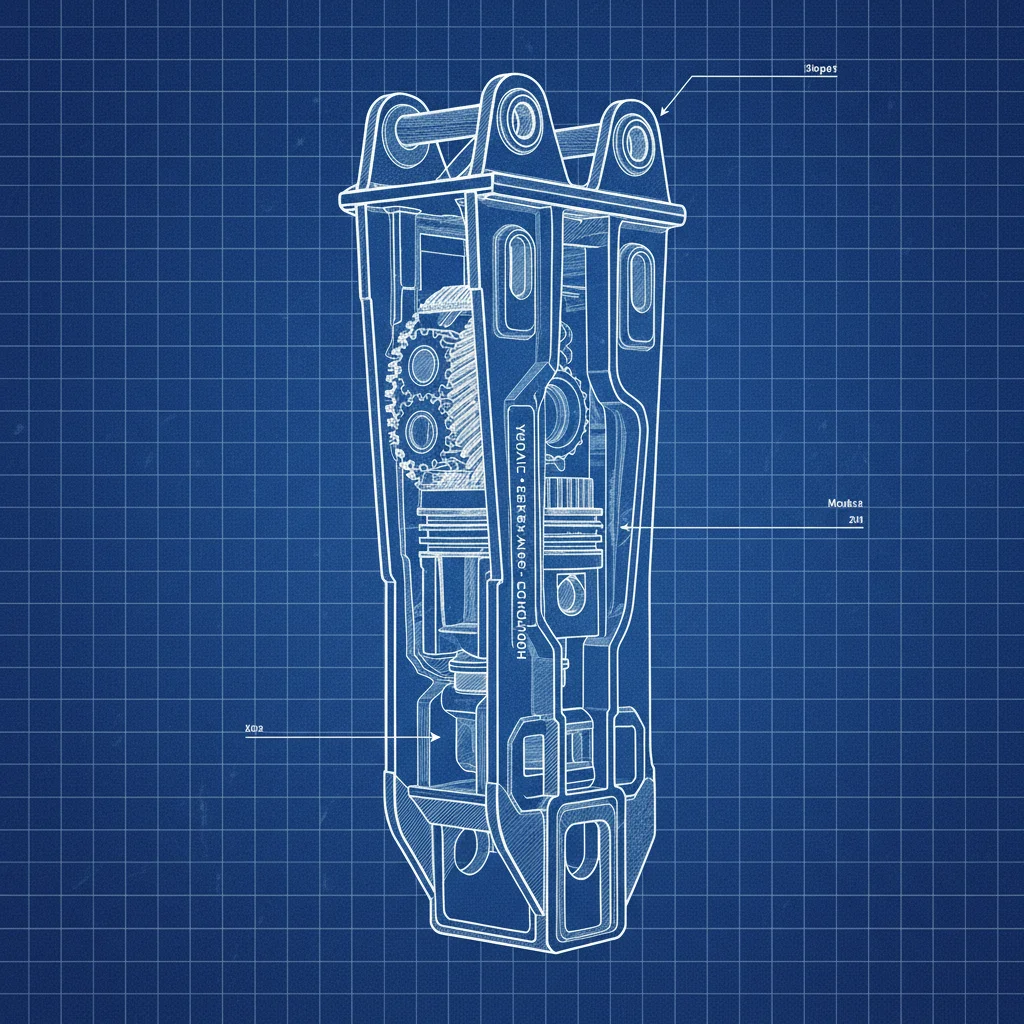
At its core, a hydraulic track tensioner utilizes the incompressible nature of hydraulic fluid to exert a consistent force against the idler wheel. When grease or oil is pumped into the cylinder, the piston extends, pushing the idler forward and tightening the track chain. Conversely, releasing the pressure allows the piston to retract, slackening the track for easier maintenance or replacement. This system eliminates the need for manual hammering or cumbersome mechanical adjustments, significantly reducing labor time and improving safety on the job site. Precision pressure control ensures that the track is neither too tight—which causes premature wear—nor too loose, which leads to "throwing" the track.
Pro Tip: Always check for seal leaks around the grease fitting. A leaking seal in your tensioning system can lead to sudden track slackening, which may cause severe damage to the drive sprocket and guides.
Key Benefits of Using a High-Performance Hydraulic Track Tensioner
Integrating a professional hydraulic track tensioner into your machinery offers several strategic advantages. First, it drastically reduces component wear and tear. When tracks are properly tensioned, the load is distributed evenly across the rollers and pins. Second, it enhances operator safety by providing a stable platform and reducing the risk of track derailment during steep climbs or turns. Third, it maximizes fuel efficiency; a track that is too tight creates unnecessary friction, forcing the engine to work harder. By maintaining the "sweet spot" of tension, you ensure that your machinery operates at peak mechanical efficiency while extending the service intervals of the entire undercarriage.
Operational Advantages:
• Reduced Downtime: Rapid adjustment means less time in the shop.
• Extended Component Life: Prevents uneven wear on bushings and pins.
• Enhanced Stability: Consistent tension prevents track slippage in mud or sand.
• Simplified Maintenance: Easy slackening for cleaning and inspection.
Comparing Hydraulic vs. Mechanical Tensioning Systems
When deciding on an undercarriage configuration, it is important to understand why the hydraulic track tensioner is superior to traditional mechanical spring or bolt-driven systems. Mechanical systems often require specialized tools and significant physical effort to adjust. Moreover, they cannot adapt to the natural "stretch" of a track during operation as effectively as a hydraulic cylinder. The hydraulic approach provides a constant active force, meaning the tension remains stable even under varying load conditions. This adaptability is what makes hydraulic systems the standard for modern industrial and construction equipment.
Industrial Applications of Hydraulic Track Tensioning
The versatility of the hydraulic track tensioner allows it to be used across various demanding sectors. In mining and quarrying, machines encounter jagged rocks and extreme debris that can cause tracks to loosen rapidly; hydraulic systems allow for quick field adjustments. In forestry, the soft, uneven terrain requires a specific tension balance to prevent track slipping while avoiding excessive friction on organic debris. Furthermore, in civil construction, where machinery often moves between hard asphalt and soft dirt, the ability to fine-tune tension ensures that the undercarriage lasts for thousands of hours longer than it would with basic tensioning methods.

Technical Specifications for a Quality Hydraulic Track Tensioner
When sourcing a replacement or designing a system, technical specifications are paramount. A high-grade hydraulic track tensioner must be manufactured from high-tensile alloy steel and treated with anti-corrosive coatings to withstand harsh environments. The seals must be rated for high-pressure hydraulic oil and resistant to extreme temperature fluctuations. Below is a typical specification table for industrial-grade tensioning cylinders used in medium-to-heavy crawler equipment:
Best Practices for Maintaining Your Tensioner
To maximize the lifespan of your hydraulic track tensioner, a proactive maintenance schedule is essential. First, perform weekly visual inspections to check for "sag" in the track, which indicates a loss of pressure. Second, ensure that the grease nipples are kept clean; introducing dirt into the hydraulic cylinder during the tensioning process can score the cylinder walls and cause permanent leaks. Third, use only manufacturer-recommended lubricants. Using the wrong grade of grease can lead to seal degradation or internal clogging. By following these simple steps, you ensure that your undercarriage remains in top condition, reducing the risk of catastrophic failure during critical project phases.
Conclusion: Optimize Your Machinery with Premium Tensioning
The hydraulic track tensioner is more than just a convenience; it is a vital component for the health and efficiency of any tracked vehicle. From reducing wear and tear to enhancing overall operational safety, the benefits of a hydraulic system far outweigh the costs. By investing in high-quality materials and adhering to a strict maintenance regimen, fleet managers and operators can significantly lower their total cost of ownership. Ensure your equipment is powered by the best in tensioning technology for unmatched reliability on every terrain.
Frequently Asked Questions (FAQs)
How often should I check my hydraulic track tension?
Track tension should be checked daily or at the very least weekly, depending on the severity of the terrain. In rocky or muddy conditions, tracks tend to stretch or accumulate debris more quickly, which can alter the effective tension. A quick visual check of the track sag (usually measured at the midpoint between the carrier roller and the idler) is the fastest way to determine if your hydraulic track tensioner needs adjustment. Consistent monitoring prevents the tracks from becoming too loose, which could lead to them slipping off the rollers.
What happens if the track is too tight?
While it may seem safer to have a very tight track, over-tensioning is actually detrimental. Excessive tension puts extreme pressure on the bushings, pins, and the drive sprocket, leading to accelerated wear and potential breakage. It also increases the resistance the machine must overcome to move, which increases fuel consumption and puts additional strain on the final drive motor. The goal of the hydraulic track tensioner is to maintain a balanced state—tight enough to prevent derailment but loose enough to allow for natural movement during operation.
Can I use any grease in my hydraulic tensioner?
No, it is highly recommended to use the specific grease or hydraulic fluid recommended by the equipment manufacturer. The internal seals of a hydraulic track tensioner are designed to be compatible with specific chemical compositions. Using an incompatible grease can cause the seals to swell, shrink, or degrade, leading to pressure loss and failure of the tensioning system. Always check your operator's manual for the correct lubricant specifications to ensure the longevity of the cylinder.
How do I know if my tensioner cylinder has failed?
The most common sign of failure is the inability to hold tension. If you find yourself adding grease frequently only for the track to become slack again within a few hours, you likely have a leaking seal. Other signs include visible grease leaking from the cylinder body or the idler wheel not moving even when pressure is applied. In such cases, replacing the hydraulic track tensioner or rebuilding the seal kit is necessary to prevent further undercarriage damage.
Post time: Jun-09-2026